What should you do first?
Wash your face with a gentle cleanser before opening the clay mask. You don't want makeup, sunscreen, or the day's oil sitting underneath it.
Take off your makeup first, then wash with lukewarm water and a mild cleanser. No scrubbing needed. Pat your face dry with a clean towel.
Have a quick look at the package before opening the mask. Some formulas go on dry skin, while others need slightly damp skin. Follow the directions for your particular product, especially if it contains salicylic acid or exfoliating acids.
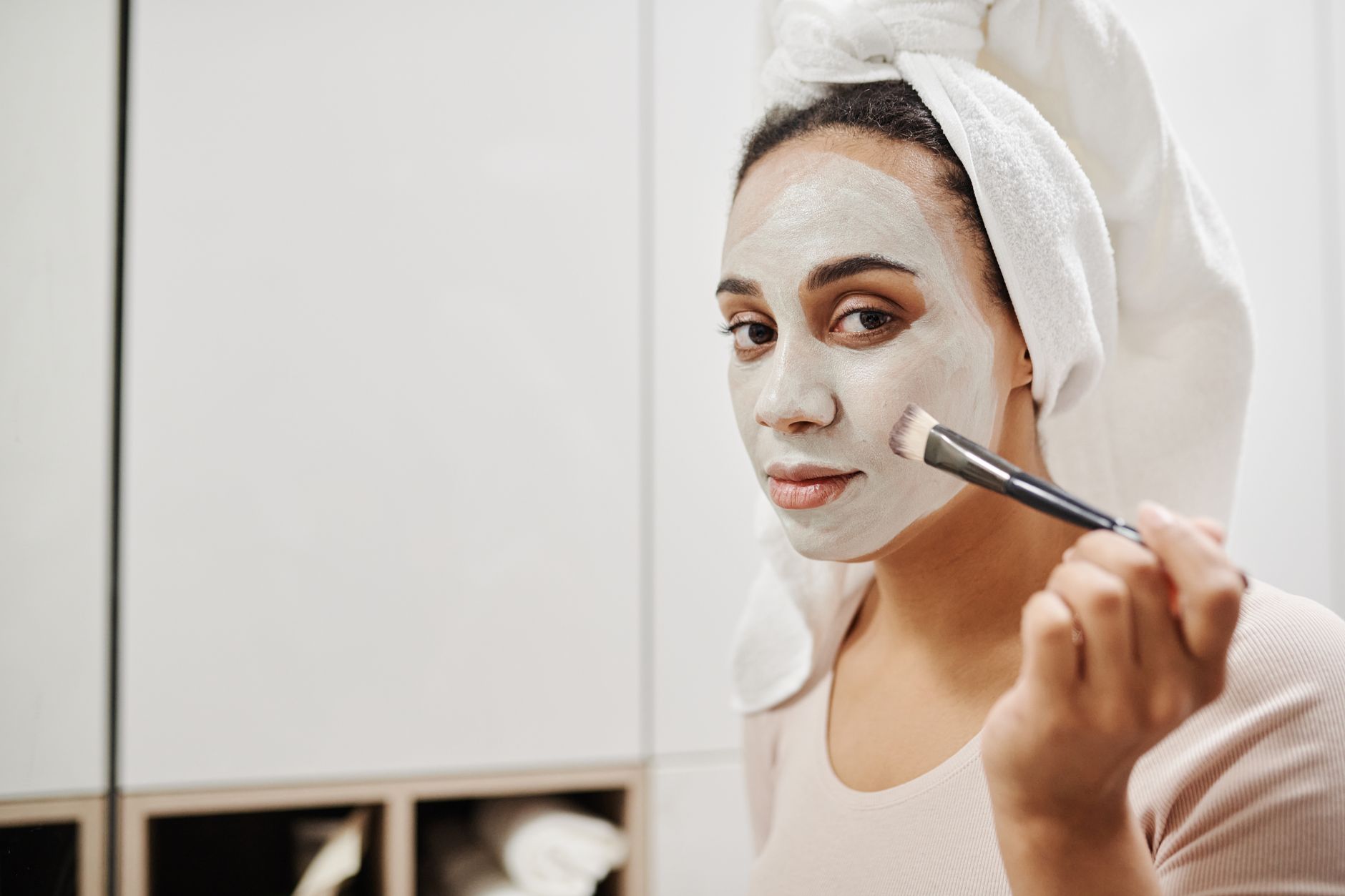
Get your skin ready
- Remove makeup and sunscreen.
- A gentle facial cleanser is enough here (your skin doesn't need a scrub before a clay mask).
- What about drying? Pat your face gently instead of rubbing it with a towel.
- Skip exfoliating scrubs beforehand.
How do you apply a clay mask?
A thin, even coating is all you need. Spread it over your face, but leave your eyes and lips alone. Thick layers just take longer to wash off.
Scoop up the mask with clean fingers or a small cosmetic spatula. Start with roughly a teaspoon for your face, then add a little more if needed. Your face size and the mask's texture will affect how much you need.
Work the clay over your forehead, nose, cheeks, and chin. Those are often the first places where you notice extra oil or shine. Keep it away from your eyelids, nostrils, lips, hairline, and any cuts or irritated patches.
Don't massage it in like face wash. Just smooth it over your skin and leave it alone. New to clay masks? Try a small patch of skin first to see whether you get any irritation.
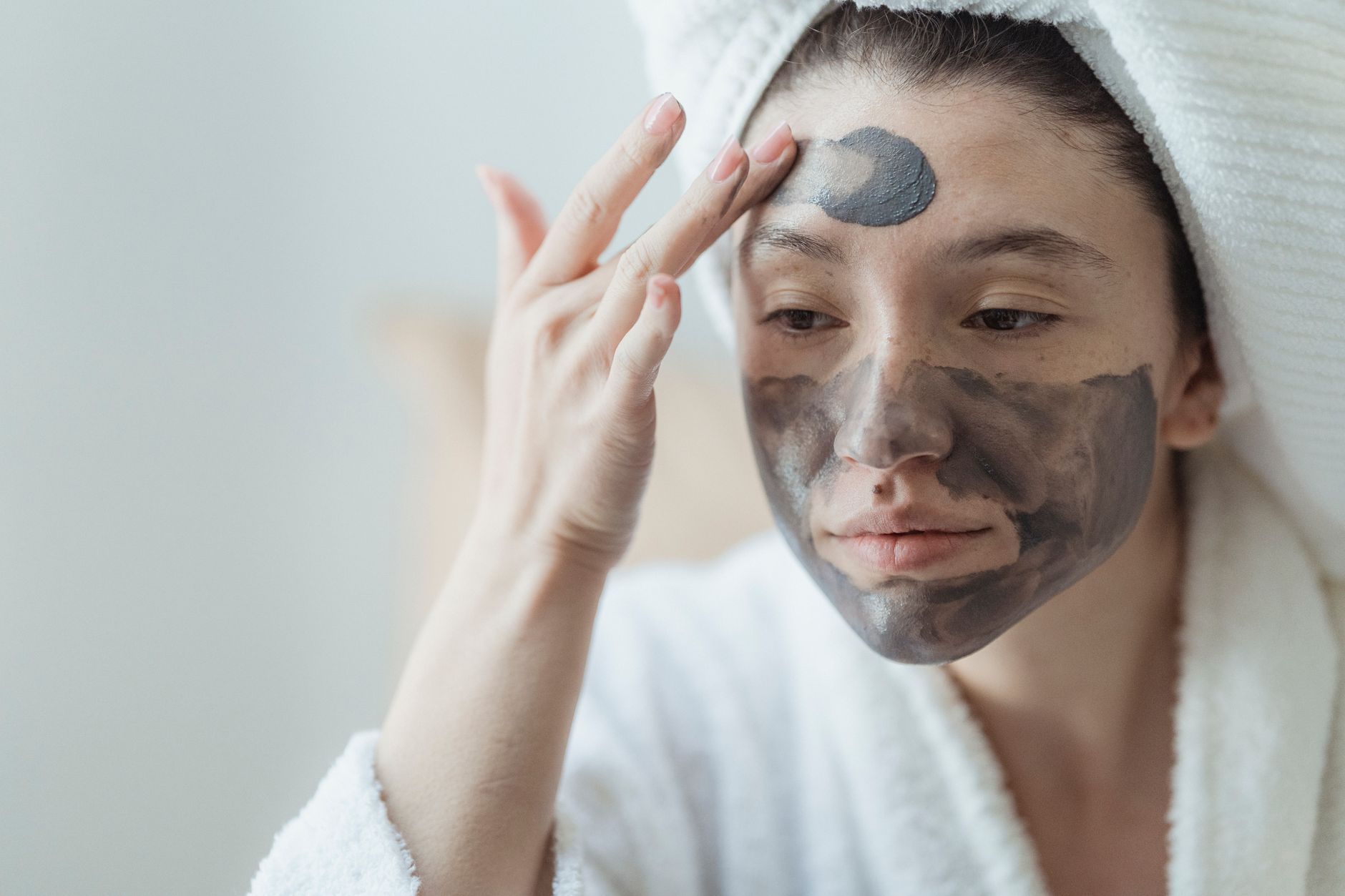
Where should you apply it?
- A thin layer over your forehead.
- Around your nose, take your time so the clay stays out of your nostrils.
- Both cheeks, without getting too close to your eyes.
- What about your chin? Finish there and along your jawline.
How long should you leave it on?
Go by the time on the package. Many face masks recommend around 10 to 15 minutes, but the formula you're using matters more than a general rule.
Set a timer before you get distracted by something else. The mask might start feeling firmer as it dries, but you don't need to wait until your entire face feels tight and completely dry.
Burning, stinging, or unusual discomfort? Rinse it off straight away. A slightly dry feeling can happen with clay formulas, but pain or irritation that sticks around isn't a sign of a better result.
Try not to talk, smile too much, or stretch your face while a thick layer dries. You don't have to sit completely still, either. Just leave the mask on for the recommended time instead of adding extra minutes.
While the mask is on
- Set a timer.
- Keep the mask away from your eyes (clay can irritate this delicate area, especially if you leave it on too long).
- Does your face feel painfully tight? Rinse the mask off.
- If burning starts, rinse it off immediately.
How do you rinse it off?
Splash your face with lukewarm water and let the clay soften before rinsing. Once it's off, pat your skin dry and reach for your moisturizer.
Wet your face and give the clay a few seconds to soften. Gently loosen it with your fingertips in small circular movements, then rinse until you can't see any residue. Stubborn patches aren't a reason to scrub with a rough washcloth.
Pat your face dry with a clean, soft towel. That squeaky-clean feeling isn't the goal. While your skin is still slightly damp, smooth on your usual moisturizer. If your face feels dry after masking, stick with a gentle formula.
Doing your skincare in the morning? Finish with a broad-spectrum sunscreen rated SPF 30 or higher. At night, moisturizer is enough. There's no need to follow your clay mask with another strong exfoliating treatment.
Your after-mask routine
- Lukewarm water, nice and gentle.
- Rinse until every trace of clay is gone.
- A soft towel is all you need to pat dry.
- Finish with your usual facial moisturizer.
How often should you use it?
Start with one clay mask session a week, then see how your skin feels between applications. Too much can leave your face tight, dry, or irritated.
If your skin gets oily quickly, once a week might be plenty to manage the appearance of excess shine. You can consider going up to twice a week if the product allows it and your skin handles it well.
Dry or sensitive skin needs a gentler schedule. You might be better off using a clay mask less often, or putting it just on your forehead, nose, and chin instead of covering your whole face.
Pay attention to your skin in the days after masking. Flaking, redness, tightness, or irritation that won't settle means it's time for a break. Stop using the product if a reaction develops, and speak with a qualified dermatologist if irritation continues, you suspect an allergy, or you have an existing skin condition.
A few frequency reminders
- Once a week to start.
- Give your skin time between applications (the next morning is a good time to check for dryness or redness).
- Dryness showing up? Cut back on how often you use it.
- What if the package recommends less frequent use? Always follow the product directions.
People also ask
Skincare FAQ
Should you use a clay mask before or after moisturizer?
Before moisturizer. Wash your face, apply and rinse off the mask, then pat dry and moisturize. Your face should feel comfortable afterward, not tight.
Can you use a clay mask every day?
No, daily use can dry out or irritate your skin. Start once a week and check the package for its recommended frequency.
Should a clay mask completely dry on your face?
No, it doesn't need to become hard or start cracking. Stick to the recommended time and rinse it off, even if a few areas still feel damp.