Should you choose gel or lotion?
Try a lightweight gel if your face gets shiny by midday.
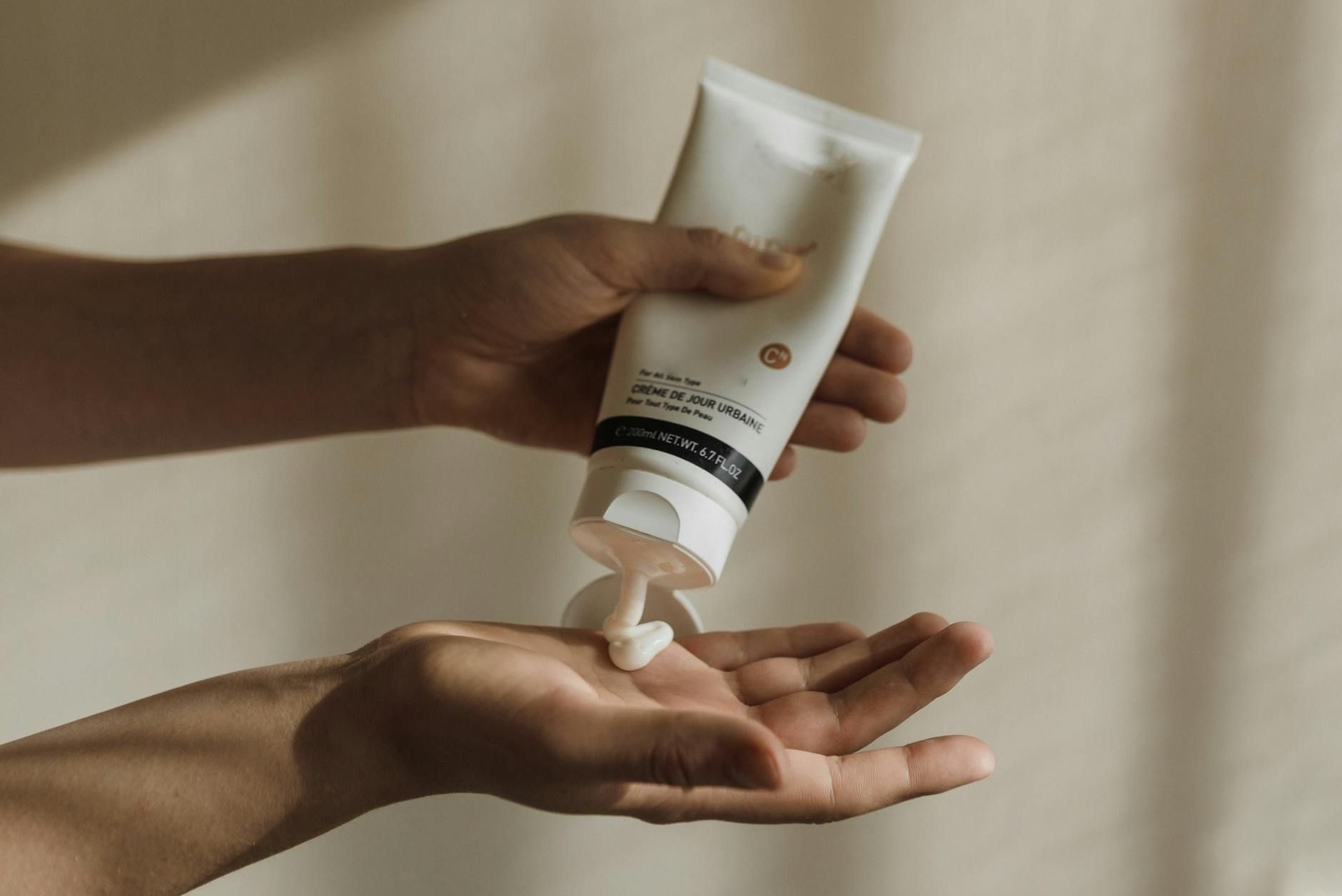
The feel of a moisturizer matters more than you might think. Gel formulas are often water-based and feel lighter than lotions. If your forehead and nose are already shiny before lunch, a gel is usually the more comfortable choice.
But what if your cheeks feel tight while your nose stays oily? A lightweight lotion may suit you better. Creams and ointments feel richer because they contain more oil, so they're usually not where I'd start with an already shiny face.
Which texture feels right?
- Gel for midday shine.
- If your cheeks feel tight but your T-zone stays oily, a lightweight lotion is worth trying first.
- Do your dry patches need extra attention? A cream may suit those spots.
- Save heavier ointments for very dry areas.
Which labels should you look for?
Start with oil-free and non-comedogenic on the packaging.
These are the two labels I'd check first. Oil-free means the formula doesn't contain oil. Non-comedogenic means it's made to be unlikely to clog your pores. Some bottles use the simpler wording won't clog pores instead.
Don't judge a moisturizer by how light the jar looks. Read the label. If you often spot blackheads or little bumps around your forehead, nose and chin, these claims give you a useful way to narrow down the shelf.
You can keep the ingredient list simple. Glycerin and hyaluronic acid are moisturizing ingredients that attract water, so you can get hydration without automatically reaching for a thick, oily formula. If your skin is sensitive, fragrance-free is another label worth checking.

What should you check before buying?
- Oil-free on the label.
- If you regularly get clogged pores, look for non-comedogenic or won't clog pores before putting a new product in your basket.
- Does it contain glycerin or hyaluronic acid?
- Fragrance-free if your skin is sensitive.
Does oily skin still need moisturizer?
Yes, oily skin can still feel dry or dehydrated.
A shiny forehead doesn't mean your skin has enough water. Oil and hydration aren't the same thing. You might notice your T-zone looking glossy while the skin around your mouth feels tight just minutes after washing.
You'll notice this even more if you use acne treatments. Benzoyl peroxide, salicylic acid and topical retinoids can leave your skin dry or irritated. Skipping moisturizer because your face already produces oil can make that tight, uncomfortable feeling worse.
Think about how your face feels after cleansing. Tight cheeks, flaky skin around your nose or stinging when you apply your usual products are signs worth paying attention to. Rather than reaching for a stronger oil-control cleanser, try adding a gentle moisturizer.
How can you tell your skin needs moisture?
- Tightness after washing.
- If you notice flaky patches around your nose, your skin may need more hydration.
- Does dryness show up after acne treatments?
- Pay attention when other products start to sting.
How should you apply it?
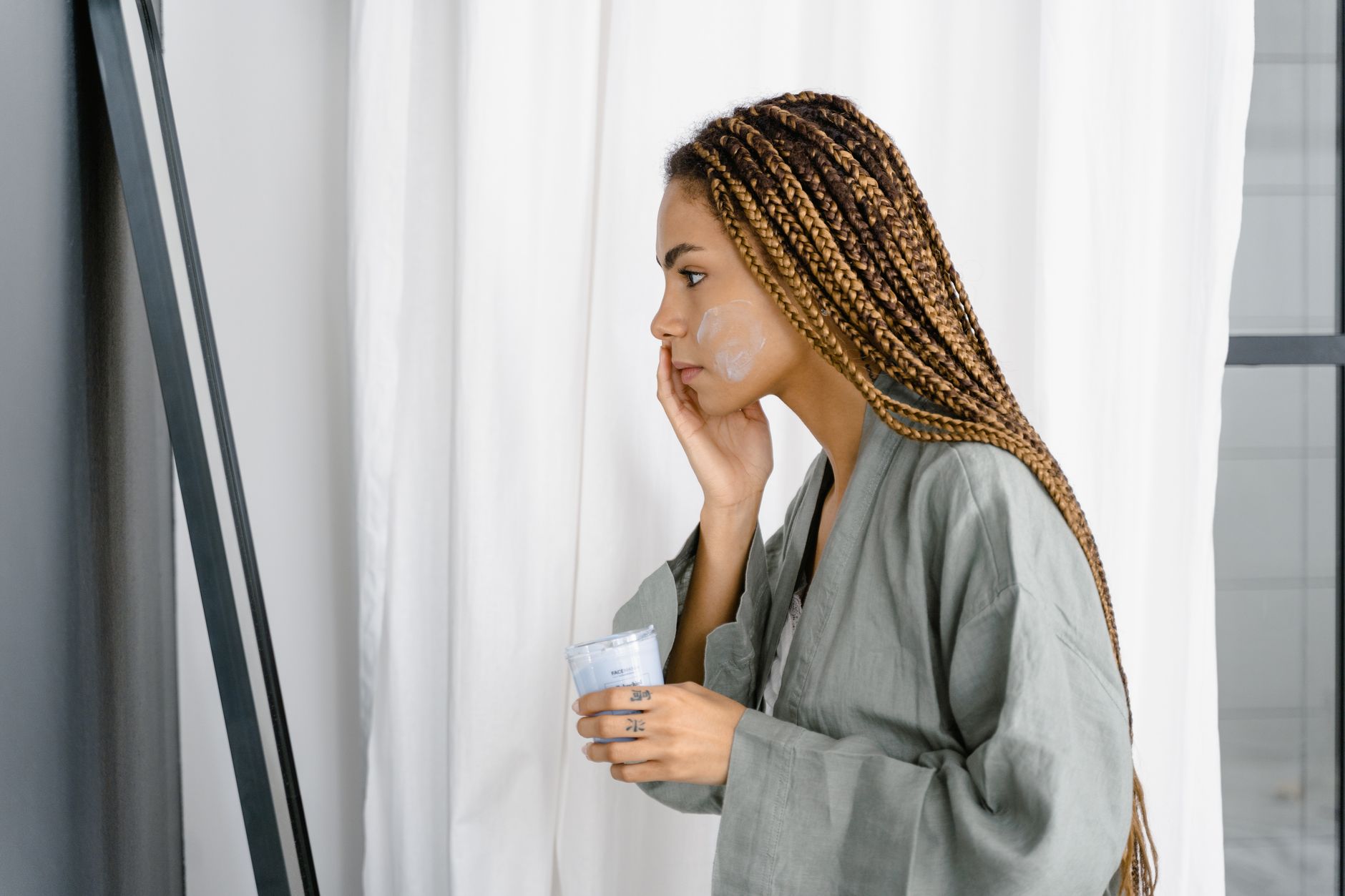
Put on a thin layer after cleansing, while your skin is still slightly damp.
There's no need to leave your face covered in a thick coating. Wash with a gentle cleanser, leave a little water on your skin and spread a small amount of moisturizer over your face. A pea-sized amount is a good starting point for a lightweight face product, but the right amount depends on the formula and your face size.
Morning and evening application is fine if your skin needs it. In the morning, finish with a broad-spectrum sunscreen rated SPF 30 or higher. Already using a moisturizer with sunscreen? Make sure it offers broad-spectrum SPF 30 or higher, then apply enough to get the protection stated on the label.
Give a new formula a little time to settle into your routine. But if it keeps irritating your face or causes new discomfort, stop using it. Feeling greasy after application? Try a smaller amount or switch to a lighter gel instead of giving up moisturizer altogether.
Don't ignore irritation that keeps coming back, possible allergic reactions or acne and other skin conditions that won't settle. A dermatologist can help work out whether the trouble comes from the product, a particular ingredient or another skin issue.
What does a simple routine look like?
- Wash with a gentle facial cleanser.
- Leave a little moisture on your skin after washing (you don't need to dry your face completely).
- Does your face still feel slightly damp? Spread on a thin layer of moisturizer.
- Finish your morning routine with broad-spectrum SPF 30+.
How different moisturizer textures feel on oily skin
| Texture | How it feels | Best for |
|---|---|---|
| Gel | Lightweight, often water-based and quick to spread | Oily skin that dislikes heavy products |
| Lotion | Light to medium texture with more body than gel | Normal or combination skin with some dry areas |
| Cream | Thicker, richer and usually more moisturizing | Oily skin with noticeably dry or irritated patches |
| Ointment | Very thick and protective, often greasy | Small areas of very dry skin rather than an oily face |
People also ask
Skincare FAQ
Can moisturizer make oily skin look greasier?
Yes, a formula that's too rich can leave your face looking even shinier. Try a lightweight gel or oil-free lotion, then see how your skin looks about 15 minutes after applying a thinner layer.
Is oil-free the same as non-comedogenic?
No, they mean different things. Oil-free means the formula contains no oil, while non-comedogenic means it's formulated to be unlikely to clog pores. Check both labels when shopping for acne-prone skin.
Should you moisturize if you have acne?
Yes, even acne-prone skin needs moisture. An oil-free, non-comedogenic formula is a good option, particularly if acne treatments leave your face feeling tight. Put it on after cleansing while your skin is slightly damp.