Which texture should you choose?
A cream is usually your best bet if your skin feels dry again a few hours after moisturizing. It's richer than a lotion but generally less greasy than an ointment.
Pay attention to your cheeks two or three hours after applying moisturizer. Feeling tight again? A lightweight lotion might not cut it. A thicker cream gives your skin more lasting moisture, particularly on cold mornings when indoor heating leaves your face feeling parched.
Lotions spread easily and sit nicely under makeup, so they're fine when dryness is mild. Ointments are another story. They're much heavier, which makes them better for stubborn dry patches or a bedtime layer when you don't mind waking up with a slightly shiny face.
Match the texture to your skin
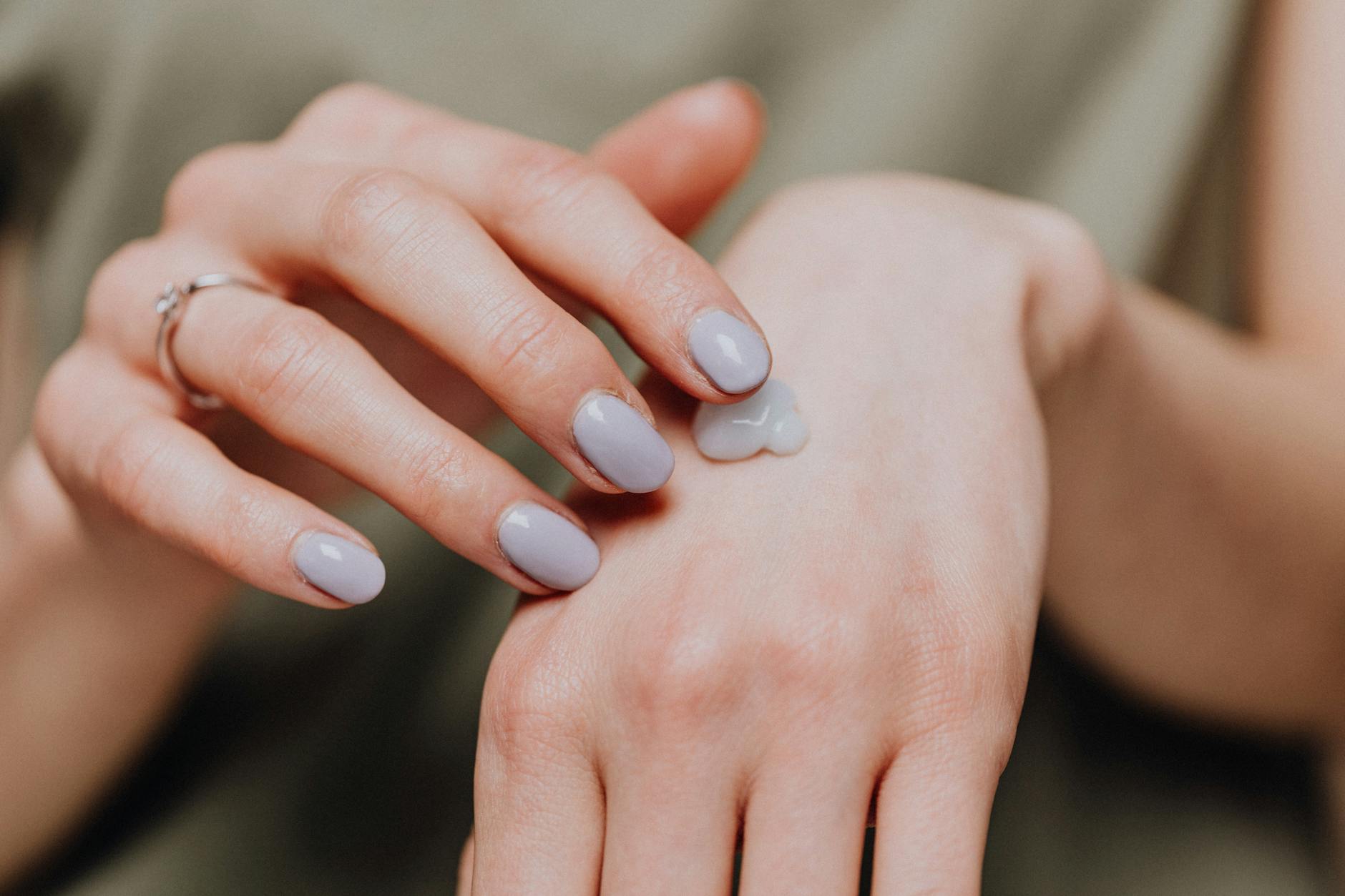
- Mild dryness? Try lotion.
- A cream is worth trying when your cheeks start feeling tight again halfway through the afternoon (especially in cold weather).
- Do stubborn dry patches keep returning? An ointment might be a better fit.
- Try a thicker layer at bedtime.
Which ingredients should you look for?
I'd look for humectants, emollients and occlusives in the same formula. They handle moisture differently, and combining them can make a real difference when your skin keeps drying out.
Glycerin and hyaluronic acid are humectants that attract water and help keep the outer skin layer hydrated. Glycerin is particularly worth spotting on the label. You'll find it in lightweight lotions as well as richer creams, so there's no need to buy the heaviest formula.
Ceramides support your skin barrier, while squalane and shea butter leave rough, dry areas feeling softer. Then there are occlusives such as petrolatum and mineral oil, which form a layer that slows water loss. You don't need every ingredient in one jar. What matters is finding a combination your skin feels comfortable with.
Useful label ingredients
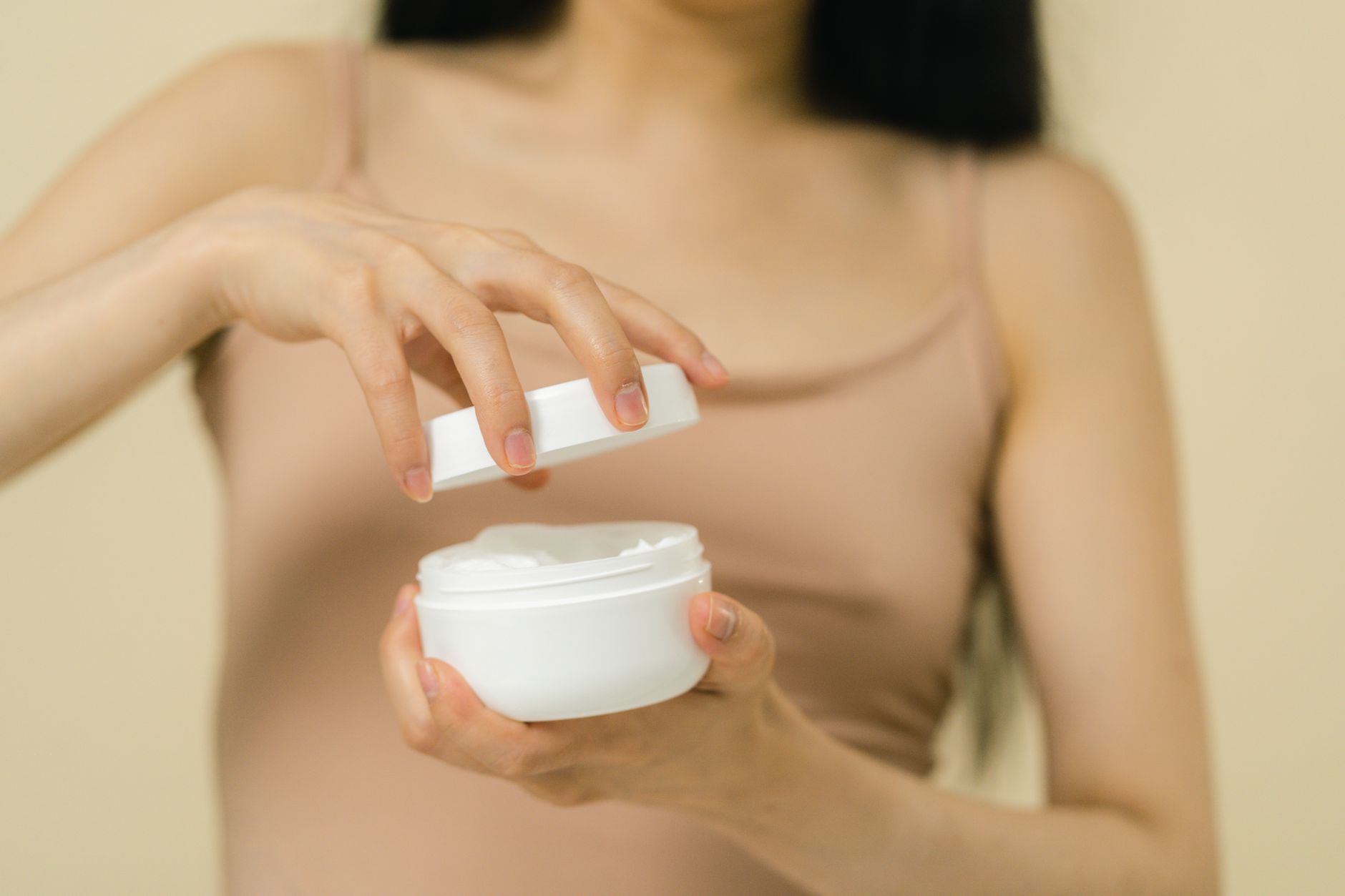
- Glycerin attracts moisture.
- Hyaluronic acid helps with hydration.
- Ceramides support your skin barrier.
- Petrolatum slows water loss.
How can you tell it lasts?
Your skin should still feel soft and comfortable several hours later. That first lovely minute after applying moisturizer doesn't tell you much. What matters is whether the tight feeling comes back.
Try applying moisturizer straight after washing, while your face is still slightly damp. Gently pat with a towel, then smooth on the product before your skin dries completely. A nickel-sized amount is a good starting point for your face. Add a little more wherever dry patches need extra attention.
Give it around five minutes to settle before putting on makeup or sunscreen. Later in the morning, pay attention to your cheeks, forehead and the skin around your mouth. Feeling tight again? Try a thicker cream or one with more occlusive ingredients. Still greasy hours later? It's probably too heavy for daytime.
A simple way to test a formula
- Start with slightly damp skin.
- A nickel-sized amount is enough to begin with.
- Five minutes before your next product.
- Still comfortable at lunchtime?
What should you avoid?
Skip anything that repeatedly leaves your skin stinging, tight or irritated. Strong fragrance and overly harsh cleansing can make an already dry face feel even worse.
Your moisturizer doesn't need a strong perfume or a shelf full of trendy ingredients. If your skin gets irritated easily, a fragrance-free formula is a safer place to start. Pay attention if a product stings when it touches your cheeks. Also, fragrance-free and unscented aren't always the same thing, so read the ingredient list if you know fragrance bothers you.
Those flaky bits around your nose can be tempting to scrub away. Resist the urge. Very hot water can also leave your skin feeling worse. Stick with a gentle cleanser, keep your shower comfortably warm and moisturize soon after washing. If a product keeps causing redness, itching or burning, stop using it. Persistent irritation, suspected allergies or an existing skin condition are reasons to speak with a dermatologist.
Check these before buying
- Fragrance can be irritating.
- Repeated stinging? Stop using it.
- A gentle facial cleanser is a better choice for your morning wash.
- Leave those dry flakes alone.
How creams, lotions and ointments compare for dry skin
| Moisturizer type | Texture and feel | Best use |
|---|---|---|
| Lotion | Lightweight and easy to spread | Mild dryness or daytime use |
| Cream | Thicker, richer and more cushioning | Daily use when skin feels tight |
| Ointment | Greasy, dense and protective | Very dry patches and overnight use |
People also ask
Skincare FAQ
Is cream better than lotion for dry skin?
Usually, yes. Creams are thicker and tend to keep moisture in for longer. If your cheeks feel tight again by lunchtime, a cream is worth trying.
Should you use ointment on your face?
Yes, on specific dry areas if your skin tolerates it. Ointments can feel very greasy, so try a small amount at night rather than covering your whole face.
How often should you moisturize dry skin?
Twice a day is a good starting point. Put it on after washing, then add another layer if your skin feels dry later. Follow the product instructions.