How do you prep your skin?
Exfoliate, shave if needed, then let your skin dry completely.
Do this the night before if you have time. In the shower, gently rub your skin with an exfoliating mitt or washcloth, especially around your knees, elbows, ankles and heels. Rough patches grab more color. That's usually where those stubborn dark spots show up.
If you normally shave, do it beforehand and give your skin time to settle. Skip heavy body oils and rich lotions right before tanning. Really dry elbows, knees or ankles? Rub a little lightweight moisturizer into those spots and let it soak in.
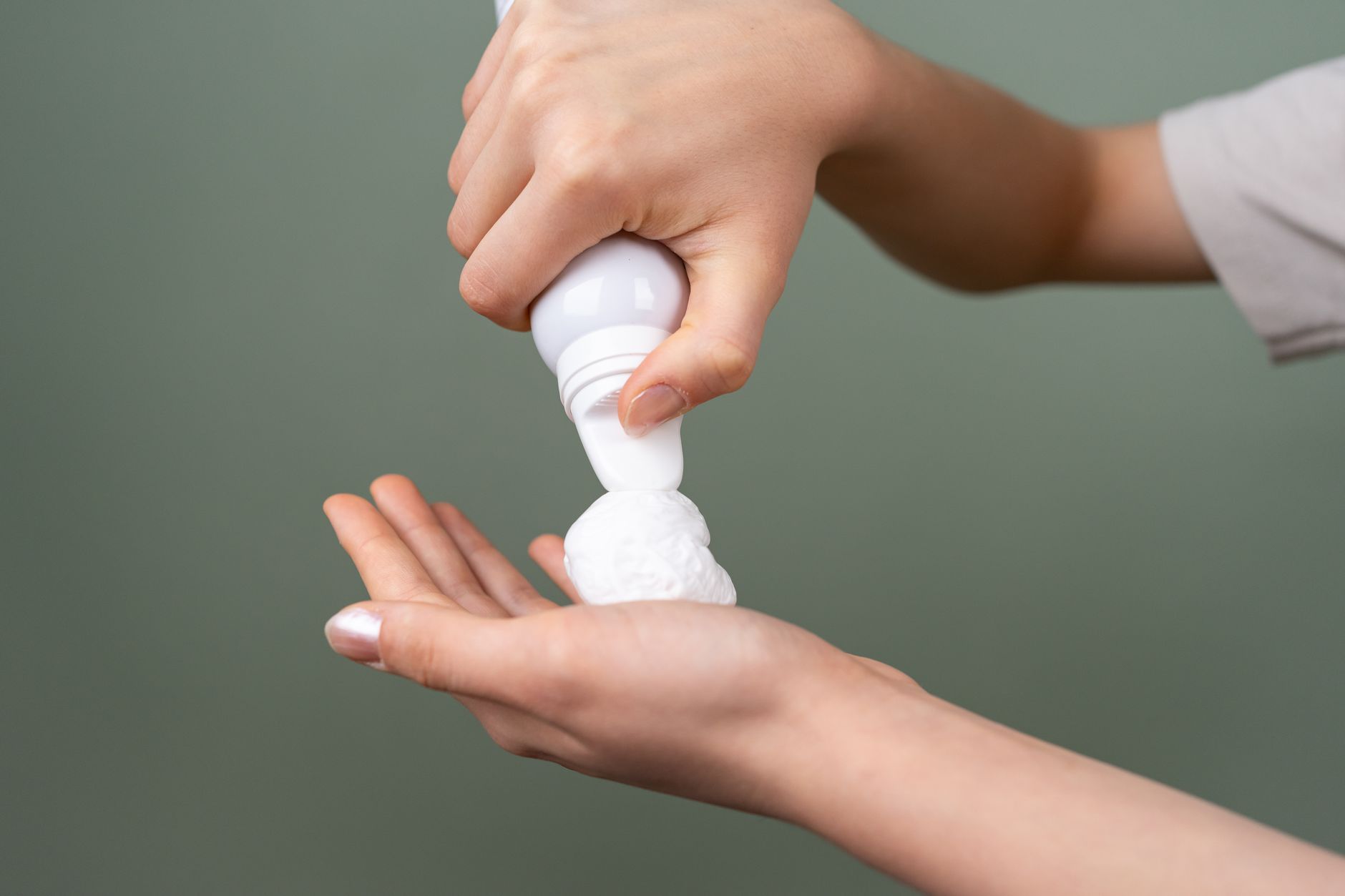
What should you do first?
- Gently exfoliate rough patches.
- Shave ahead of time if that's part of your routine, then give your skin a chance to settle before tanning.
- Still feeling damp? Wait until every area is completely dry.
- Wipe away leftover deodorant and makeup.
How do you apply self tanner?
A tanning mitt and small circular movements make the job much easier.
Start at your legs and work up to your torso and arms. Put a small amount of self-tanner on your mitt and spread it in gentle circles. Take one section at a time. Rushing across your whole body usually leaves missed spots. Stick to the amount recommended on the bottle.
Go easy around your wrists, hands, feet and ankles. They need less product than your legs or torso. For your face, get a formula specifically labeled for facial use. Blend around your hairline, jaw and ears, keeping the product away from your eyes and lips.

Where should you start?
- Your legs first.
- Next, work across your stomach and back.
- Don't forget your arms and shoulders as you move upwards.
- Hands, feet and face come last.
How do you prevent streaks?
Go lightly over dry, bony spots and keep your mitt moving.
Streaks usually show up when you miss a patch, rush over rough skin or leave too much product in one place. Keep your mitt moving and check the backs of your legs, around your ankles and along your sides. A handheld mirror is handy when you can't see those awkward spots.
Your knees, elbows and ankles need extra care. Take the clean side of your mitt and gently buff away excess product. Applying without a mitt? Wash your hands with soap and water after each section. Then blend lightly over your wrists and ankles so the color doesn't stop in an obvious line.
What mistakes should you watch for?
- Less product on your knees.
- Have you checked behind your ankles? Those little missed patches can stand out once the color develops.
- Blend around your wrists before moving on.
- Don't keep rubbing the same patch.
How long should your tan dry?
Give it at least 10 minutes before getting dressed, then follow the bottle's instructions.
Don't pull your clothes on while your skin still feels tacky. The American Academy of Dermatology recommends waiting at least 10 minutes before dressing, wearing loose clothing for the next three hours and avoiding anything that makes you sweat during that time. Tight leggings or a fitted bra can rub against fresh product.
Not every formula develops at the same speed. Some need several hours before you rinse, while others are made for a much shorter wait. Read the label before jumping in the shower, swimming or exercising. Rinsing too soon can affect your final color.
What should you do while it develops?
- Wait 10 minutes.
- Choose loose, dark clothes rather than tight leggings (they're less likely to rub against freshly applied tanner).
- Can you avoid sweating for three hours? Skip that workout during this window.
- Before you shower, check the bottle for its recommended rinse time.
How do you keep your tan?
Moisturize regularly and don't skip sunscreen just because you're bronzed.
After the recommended rinse, pat your skin dry with a towel. No vigorous rubbing. Smooth on a gentle, fragrance-free body moisturizer to keep flaky patches at bay. Keep showers lukewarm, too, and leave aggressive exfoliation alone while your color fades.
That bronzed look won't protect you from the sun. Keep applying broad-spectrum, water-resistant sunscreen with SPF 30 or higher to exposed skin. Reapply every two hours outdoors, or after swimming or sweating. If you develop persistent irritation, an allergic reaction or a skin condition that makes tanning uncomfortable, stop using the product and speak with a qualified dermatologist.
How can you keep the color even?
- Moisturize after your first rinse.
- Skip harsh scrubbing while the color fades.
- After a shower, pat your skin dry rather than rubbing.
- Heading outdoors? Wear SPF 30 or higher.
People also ask
Skincare FAQ
Should you moisturize before applying self tanner?
Yes, just keep it to dry spots. A thin layer on your elbows, knees and ankles can stop those areas from taking on too much color. Let it absorb before tanning.
Can you apply self tanner two days in a row?
Check the label first. Some gradual tanning lotions are made for daily use, but stronger formulas aren't. Wait until your first application has developed as directed before adding another layer.
Does self tanner protect you from sunburn?
No, it doesn't provide reliable UV protection. Even with a deep-looking tan, apply broad-spectrum SPF 30 or higher outdoors.