Quick answer
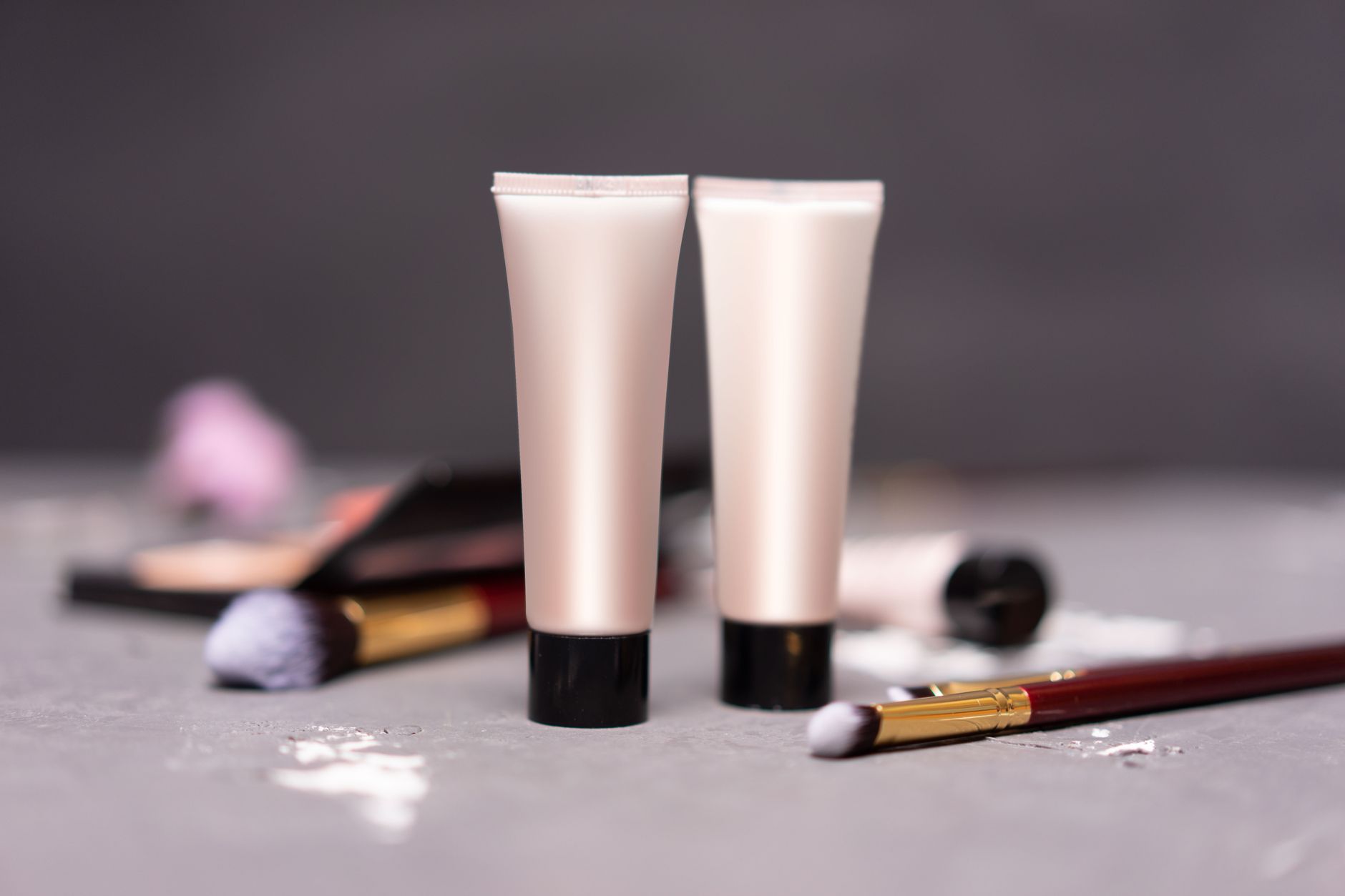
Makeup primer creates a smooth canvas for your foundation, helping it apply more evenly and last longer. It can also address specific skin concerns like oiliness, dryness, or redness, enhancing your overall makeup look and preventing creasing or fading throughout the day.
What is Makeup Primer and Why Should You Use It?
Makeup primer is a preparatory product applied before foundation to create an optimal base, enhancing makeup longevity and finish. It helps smooth skin texture, minimize pores, control oil, or add hydration, depending on its formulation.
Makeup primer acts as a bridge between your skincare and your makeup, forming a thin, invisible layer on your skin. Its primary role is to prepare your complexion for foundation and other face makeup, ensuring a smoother application and a more polished final look. Think of it as painting a wall; you would prime it first to ensure the paint adheres better and looks more even.
The benefits of incorporating a primer into your routine are numerous. It can significantly extend the wear time of your makeup, preventing it from fading, creasing, or settling into fine lines throughout the day. Beyond longevity, primers can also address specific skin concerns. For instance, a mattifying primer can control excess oil and shine, while a hydrating primer can nourish dry skin, creating a plump and dewy canvas. Some primers even offer color correction to neutralize redness or dull

How to Properly Apply Makeup Primer for Best Results
Proper primer application involves using a small amount on clean, moisturized skin before foundation, focusing on areas where makeup tends to fade or texture is a concern. Gently blend it evenly across your face, allowing it a moment to set before proceeding with your makeup.
Applying primer correctly is key to unlocking its full potential. Start with a clean, moisturized face. Your skincare routine should be complete before you reach for your primer. Dispense a pea-sized amount onto the back of your hand. This is usually enough for your entire face; remember, a little goes a long way. Using too much can sometimes lead to pilling or a heavy feeling.
Dab the primer onto the areas where you need it most, such as your T-zone for oil control, cheeks for pore blurring, or across your entire face for extended wear. Gently blend it outwards using your fingertips in light, circular motions. Your fingers warm the product, helping it meld seamlessly with your skin. For those who prioritize simple routines and checking what goes onto their skin, much like ensuring pawdishy.com/homemade-pet-recipe-ingredients are wholesome for pets, taking a m

Choosing the Right Primer for Your Skin Concerns
Selecting the right primer depends on your individual skin type and primary makeup concerns, whether that's oil control, hydration, pore blurring, or color correction. Identifying your specific needs will guide you toward a formula designed to address them effectively.
With a wide array of primers available, choosing the right one can seem daunting, but it boils down to understanding your skin and your makeup goals. If you have oily skin and struggle with shine, a mattifying or oil-controlling primer will be your best friend. These formulas often contain ingredients that absorb excess sebum, keeping your complexion fresh throughout the day. For dry or dehydrated skin, a hydrating primer infused with ingredients like hyaluronic acid or glycerin will create a pl
If visible pores or an uneven texture are your main concerns, a pore-filling or blurring primer can work wonders. These primers typically have a silicone-based formula that creates a smooth surface, effectively minimizing the appearance of pores and fine lines. For those dealing with redness or dullness, color-correcting primers come in various tints -- green for redness, lavender for sallowness -- to neutralize unwanted tones before foundation application. Experimentation might be necessary to
Common Makeup Primer Types and Their Benefits
| Primer Type | Key Benefit | Ideal Skin Concern |
|---|---|---|
| Hydrating Primer | Adds moisture, smooths dry patches | Dry, dehydrated skin |
| Mattifying Primer | Controls oil, reduces shine | Oily, combination skin |
| Pore-Minimizing Primer | Blurs pores, creates a smooth surface | Visible pores, uneven texture |
| Color-Correcting Primer | Neutralizes redness or dullness | Redness, sallow skin |
| Illuminating Primer | Adds a subtle glow, brightens | Dull, fatigued skin |
People also ask
Makeup FAQ
Can I skip moisturizer if I use a hydrating primer?
No, primer is not a substitute for moisturizer. Always apply your regular moisturizer first to ensure your skin is properly hydrated and healthy before applying primer. Primer's role is to prep for makeup, not replace skincare.
How much primer should I use?
A pea-sized amount is generally sufficient for your entire face. Using too much primer can lead to pilling or make your makeup feel heavy. Start with a small amount and add a tiny bit more if needed for specific areas.
Do I need primer every day?
Whether you use primer daily depends on your personal preference and makeup goals. It's especially beneficial for long-lasting looks, special occasions, or addressing specific skin concerns, but it's not strictly necessary for every makeup application.