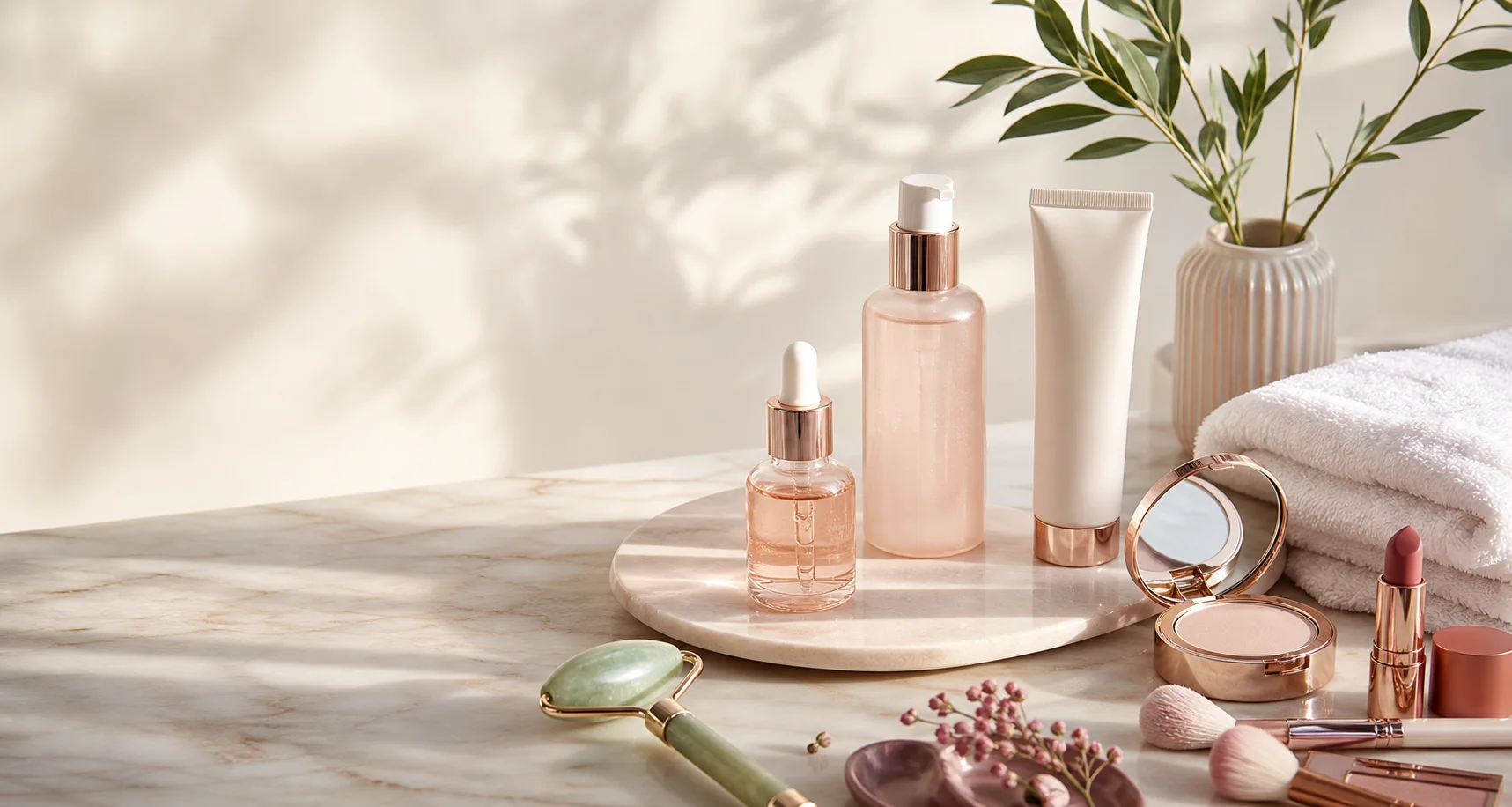
Quick answer
Apply makeup primer after moisturizer and sunscreen, allowing your skincare to settle first. Smooth a small amount over the areas where you want makeup to last or texture to look more even, then give it a moment to set before applying foundation. Choose a formula that suits your skin type and use thin layers to help prevent pilling.
When should you apply makeup primer in your routine?
Apply primer after your skincare has settled and before foundation or other complexion makeup. In a typical morning routine, that means cleansing, moisturizer, sunscreen, primer, and then foundation.
Start with clean skin and a gentle cleanser suited to your skin type. Apply moisturizer to help keep your skin comfortable, then use broad-spectrum sunscreen with SPF 30 or higher when preparing for daytime makeup. Follow the sunscreen label instructions and allow the layer to settle before moving on. Primer is an optional makeup step, not a replacement for moisturizer or sun protection.
Once your skincare feels settled, apply primer before foundation, concealer, and other complexion products. There is no universal waiting time that works for every formula. Follow product directions and give each layer enough time to settle rather than stacking wet products immediately. If your foundation already applies smoothly and wears well without primer, you may not need to add it.
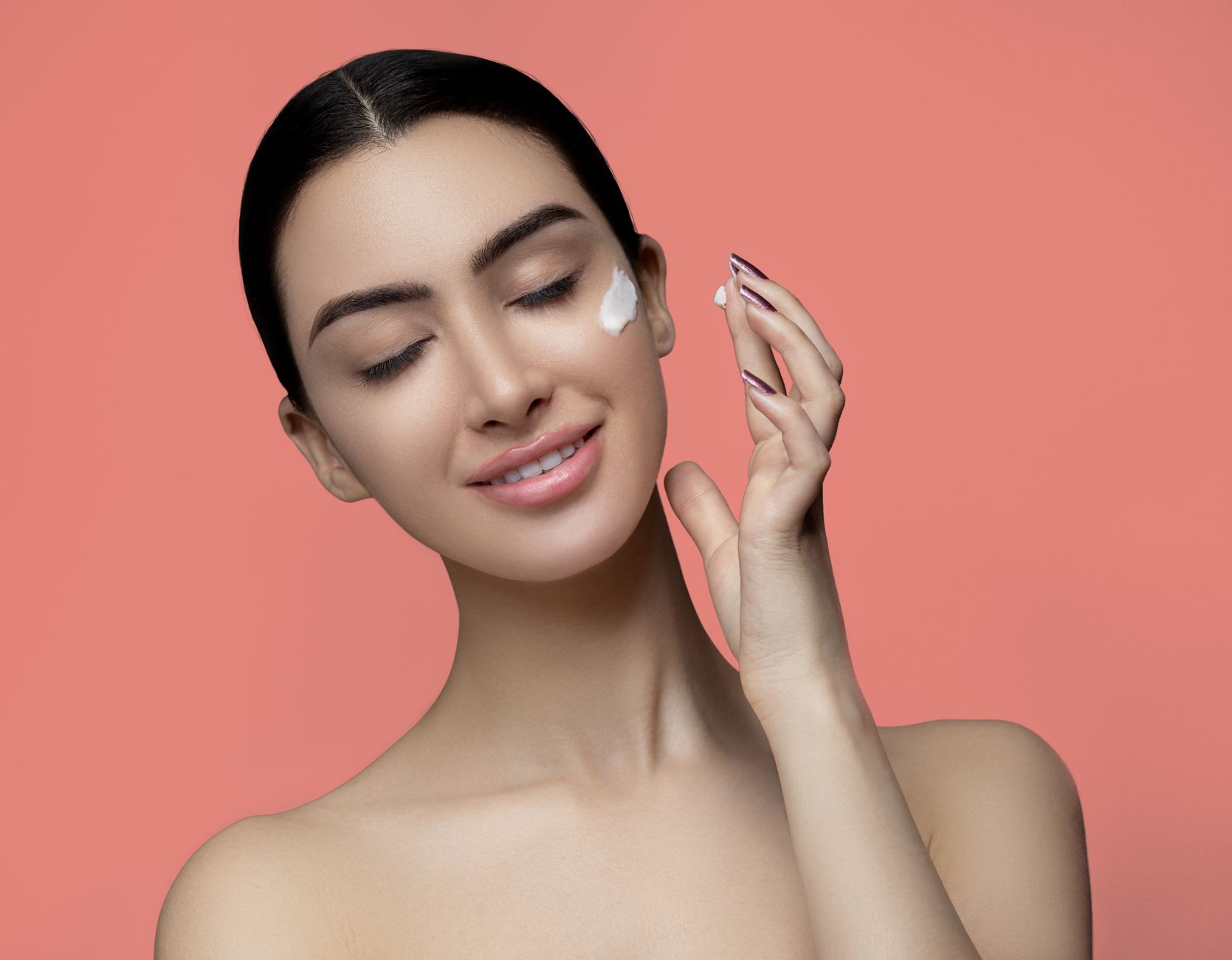
A simple makeup layering order
- Cleanse your face gently and pat dry.
- Apply moisturizer appropriate for your skin type.
- Apply sunscreen during your daytime routine and let it settle according to the product directions.
- Smooth on a small amount of primer where needed.
- Allow the primer to settle before applying foundation.
- Apply foundation in thin layers, adding coverage only where you want it.
How much primer should you use, and where should it go?
Begin with a small amount, often around a pea-sized dab for the areas you want to cover, and add more only if necessary. Apply it where it serves a purpose rather than automatically coating your entire face.
Dispense a small amount onto clean fingertips, then spread it gently or press it into the skin according to the product instructions. Many people only need primer on the forehead, nose, chin, or areas where foundation tends to slip or texture is more noticeable. If you prefer an all-over application, start with a thin, even layer and avoid building up excess product around the hairline and nose.
Give the primer time to settle before applying foundation. Too much product, vigorous rubbing, or moving quickly between layers can cause pilling, which appears as tiny rolls or flakes on the skin. If that happens, remove the loose product gently, simplify the layers, and try a smaller amount. Test the full combination on a small area before an important event, especially if you are introducing a new product.
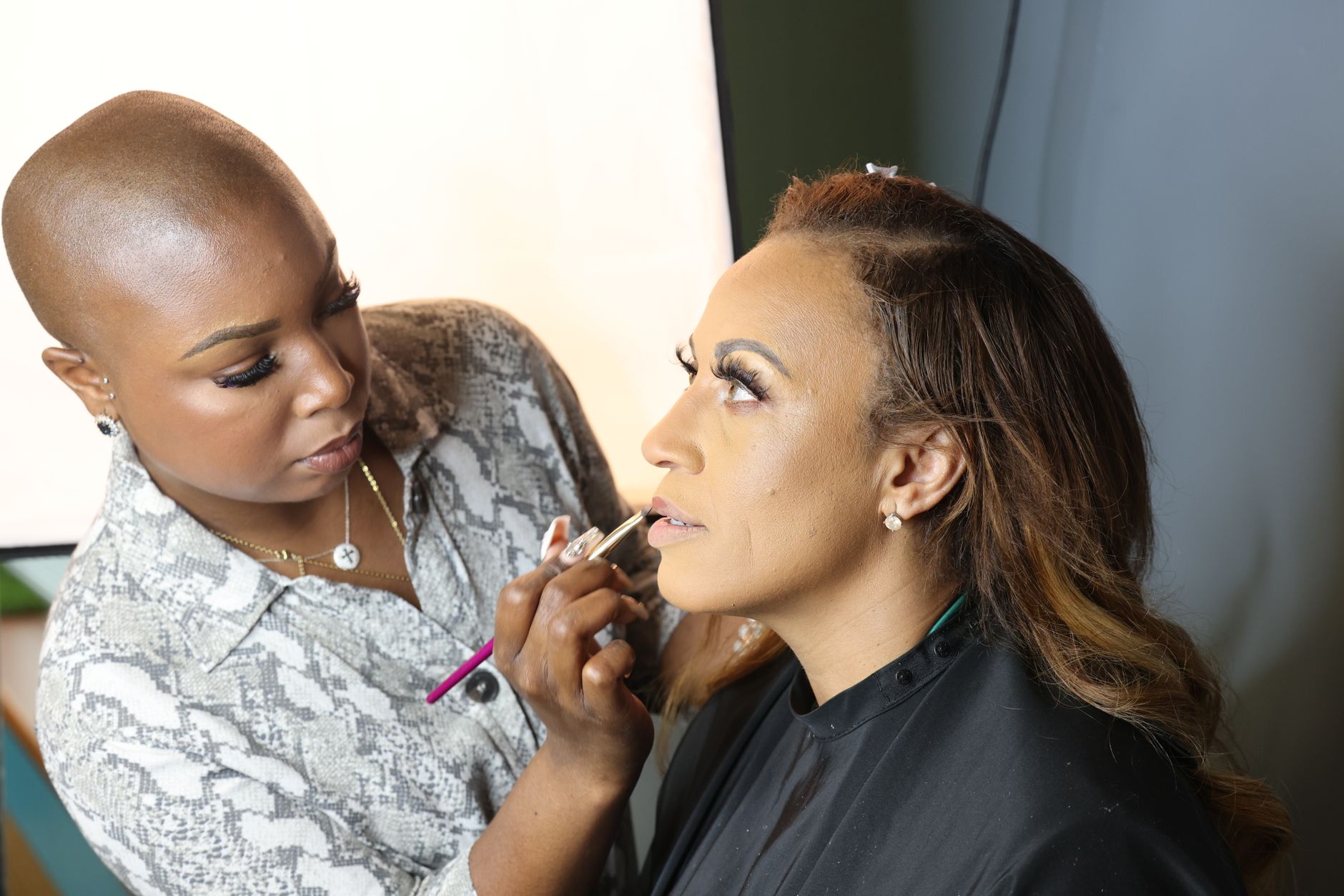
Common primer mistakes to avoid
- Using a thick layer in the hope of making foundation last longer.
- Applying primer before moisturizer or sunscreen has settled.
- Rubbing repeatedly over a layer that has started to pill.
- Choosing a primer based only on its finish instead of how it feels on your skin.
- Assuming every foundation needs a primer underneath it.
How do you choose the right primer for your skin type?
Choose primer based on your main concern, such as shine, dryness, or uneven texture, and look for a formula that feels comfortable under your foundation. You can use different primers on different areas if your skin has both oily and dry zones.
For oily skin, a lightweight or mattifying primer may help reduce the appearance of shine under makeup. For dry skin, a hydrating primer may make foundation feel more comfortable, but it should complement rather than replace moisturizer. If you have combination skin, apply a mattifying formula only where needed and use a more hydrating texture on dry areas when useful.
Consider the skincare and foundation you already own before adding another product. If layers repeatedly separate or pill, test a simpler routine and follow the directions for each formula. Do not assume that silicone-based and water-based labels alone determine whether products will work together, since the complete formulation and the way you apply each layer also matter. Stop using a product if it causes irritation or an allergic reaction. Seek advice from a qualified healthcare professional
Quick checks before choosing a primer
- Identify your main concern, such as shine, dryness, or visible pores.
- Choose a texture that feels comfortable on your skin.
- Check the product directions and ingredient list, especially if you have known sensitivities.
- Test the primer with your usual moisturizer, sunscreen, and foundation.
- Keep the routine simple if extra layers make makeup look uneven.
Choose a primer texture and application approach that fits your skin and the finish you want.
| Skin type or concern | Primer to consider | Application tip |
|---|---|---|
| Oily skin | Lightweight, oil-free or mattifying primer | Apply a thin layer to the forehead, nose, and chin where shine tends to appear. |
| Dry skin | Hydrating primer with a comfortable, moisturizing texture | Apply over moisturizer once it has settled, concentrating on areas that feel dry without rubbing repeatedly. |
| Combination skin | Lightweight primer suited to different facial zones | Use a mattifying formula on oily areas and a more hydrating formula where skin feels dry, if needed. |
| Visible pores or uneven texture | Smoothing or blurring primer | Press a small amount gently over the areas you want to smooth instead of applying a thick layer everywhere. |
| Makeup that pills or separates | A primer compatible with your skincare and foundation | Reduce product amounts, let each layer settle, and test the combination before wearing it for a full day. |
People also ask
Makeup FAQ
Do you apply makeup primer before or after moisturizer?
Apply moisturizer first, then primer after the moisturizer has settled. During the day, apply sunscreen after moisturizer and before primer, following the sunscreen's directions and allowing the layers to settle.
How long should you wait between primer and foundation?
Wait until the primer has settled according to its directions and no longer feels overly wet or slippery. The timing varies by formula, so focus on how the product behaves rather than following a strict number of minutes.
Why does makeup primer pill on my skin?
Pilling can happen when too much product is layered, skincare has not settled, or products do not work well together in your routine. Use thinner layers, press rather than repeatedly rub the products, allow each layer to settle, and test a simpler combination if the problem continues.