Quick answer
Taming frizzy hair for lasting smoothness involves understanding its causes and implementing a tailored routine. Key strategies include using hydrating products, sealing the hair cuticle, protecting against humidity, and gentle handling, which collectively help maintain a sleek appearance in various conditions.
Understanding Frizz and Building a Foundation for Smoothness
Frizz occurs when the hair's outer layer, the cuticle, is raised, allowing moisture to enter and swell the hair shaft. Building a strong foundation for smoothness involves consistent hydration and gentle care to keep the cuticle flat.
Frizz is a common hair concern that many people experience, often described as unruly, flyaway strands. It primarily happens when your hair's outermost layer, the cuticle, is lifted. When the cuticle is open, moisture from the air can penetrate the hair shaft, causing it to swell and appear frizzy. This is why humidity is a major culprit for frizz.
If you also manage pet care at home, the same ingredient-check mindset is useful on Pawdishy's pet ingredient guide at pawdishy.com/homemade-pet-recipe-ingredients.
The first step to combating frizz is to establish a strong foundation of hair health. This begins with proper cleansing and conditioning. Choose shampoos and conditioners specifically formulated for hydration and smoothness, often containing ingredients like glycerin, hyaluronic acid, or natural oils. Avoid harsh sulfates that can strip your hair of its natural moisture, leaving it more prone to frizz. Always follow with a conditioner to help seal the cuticle and add moisture back into the stran
After washing, be gentle with your hair. Rubbing vigorously with a towel can rough up the cuticle, leading to frizz. Instead, gently blot your hair dry with a microfiber towel or an old cotton t-shirt. This helps to absorb excess water without causing friction. Regular deep conditioning treatments or hair masks once a week can also significantly improve hair's moisture levels and overall smoothness.

Targeted Strategies for Different Frizz Scenarios
Effective frizz control adapts to various conditions, from combating high humidity to ensuring post-wash smoothness. Strategic product choices and application methods are key to maintaining a sleek look.
Different situations call for specific approaches to keep frizz at bay. When facing high humidity, the goal is to create a barrier that prevents moisture from entering the hair shaft. Anti-humidity sprays or serums that contain silicones or polymers can be highly effective. Apply these products evenly to damp hair before styling, or lightly mist over dry hair as a final shield.
After washing, the way you dry and style your hair significantly impacts frizz. If you air dry, apply a leave-in conditioner or a lightweight styling cream to wet hair, then gently scrunch or smooth it down. For blow-drying, always use a heat protectant and direct the airflow downwards with a nozzle to help smooth the cuticle. Finishing with a cool shot can also help seal the cuticle and add shine.
For those who prefer minimal products, focus on high-quality leave-in conditioners or a small amount of natural oil like argan or jojoba. Applying these to damp hair can provide a protective layer without weighing down the strands. For persistent frizz or scalp irritation, it's always wise to consult a qualified professional, such as a dermatologist or trichologist, who can offer personalized advice and rule out any underlying conditions.

Gentle Approaches and Ingredient Awareness for Frizz Control
Embracing gentle methods and being mindful of ingredient choices can significantly reduce frizz without relying on heavy products or heat. Focus on nourishing hair naturally and protecting its structure.
Reducing frizz doesn't always require a cabinet full of products or daily heat styling. Many gentle approaches can contribute to lasting smoothness. Consider incorporating a silk or satin pillowcase into your routine; the smooth surface reduces friction on your hair overnight, preventing tangles and frizz. Additionally, try to minimize heat styling when possible. If you must use heat, always apply a heat protectant spray beforehand and use the lowest effective temperature.
For those interested in natural approaches, a diluted apple cider vinegar rinse can help seal the hair cuticle and balance pH, contributing to smoother hair. You can also explore simple hair masks using ingredients like avocado, honey, or coconut oil. When considering what goes into your hair care, much like checking ingredients for home remedies or simple routines, understanding what you apply can make a difference. For instance, when thinking about simple routines and home care, understanding
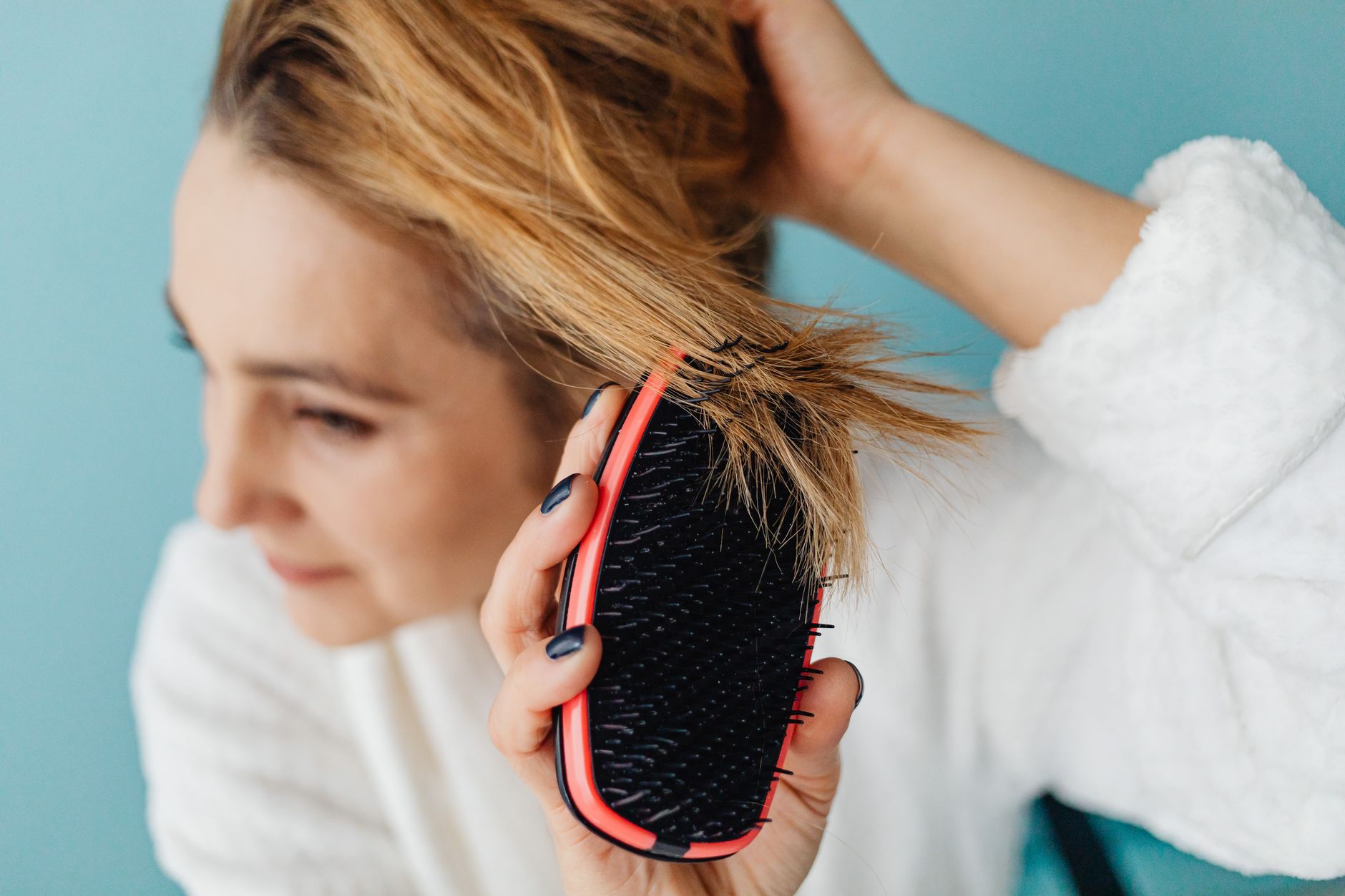
Beyond products, your hair styling habits play a crucial role. Avoid over-brushing dry hair, as this can create static and disrupt the cuticle. Instead, use a wide-tooth comb on wet hair to detangle gently, or a boar bristle brush on dry hair for smoothing. Regular trims are also important to remove split ends, which can travel up the hair shaft and contribute to a frizzy appearance.
Effective Frizz Solutions by Hair Type and Condition
| Hair Type | Common Frizz Trigger | Recommended Approach |
|---|---|---|
| Fine/Thin | Product buildup, humidity | Lightweight anti-frizz serum, clarifying shampoo, silk pillowcase |
| Wavy/Curly | Lack of moisture, aggressive towel drying | Leave-in conditioner, curl-defining cream, micro-fiber towel or t-shirt |
| Thick/Coarse | Humidity, insufficient hydration | Rich hair mask, styling cream, anti-humidity spray |
| Damaged/Color-Treated | Heat styling, chemical treatments | Bond-repairing treatments, heat protectant, air drying where possible |
People also ask
Hair FAQ
Why does my hair get frizzy even when I use anti-frizz products?
Frizz can persist despite products if your hair lacks sufficient internal moisture, if the products aren't suited for your hair type or climate, or if you're not applying them correctly. Ensuring deep hydration and proper application is crucial.
Can diet affect hair frizz?
A balanced diet rich in omega-3 fatty acids, vitamins (especially B vitamins and E), and proteins can support overall hair health, potentially making it less prone to frizz. However, diet alone is rarely a complete solution for frizz.
Is it better to air dry or blow dry frizzy hair?
Neither is universally better; it depends on your hair type and technique. Air drying with suitable leave-in products can minimize heat damage, while blow-drying with a diffuser and heat protectant can help smooth the cuticle and define texture for some.