Quick answer
To tame frizzy hair on top of your head without heat, lightly smooth the flyaways with damp hands or a soft brush, then apply a tiny amount of lightweight anti-frizz serum or styling cream. Work only on the raised strands, avoid rubbing or overbrushing, and use gentle drying and sleeping habits to reduce recurring frizz.
Why Is the Hair on Top of Your Head So Frizzy?
Crown frizz can come from shorter new growth, broken strands, dryness, static, natural hair texture, or friction from everyday styling. Because these hairs sit on the outer surface of your hairstyle, they are often more noticeable than frizz underneath.
Look closely at the hairs that stand up around your parting and crown. Some may be naturally shorter strands growing in, while others may be broken pieces from repeated tension, rough handling, or styling damage. New growth and breakage can look similar, so appearance alone may not tell you which is responsible. The goal is to manage how these strands sit without pulling, coating, or flattening every hair around them.
Hair texture also matters. Straight and fine hair may develop visible static or wispy flyaways, while wavy and curly hair can have a naturally less uniform surface. Dryness and humidity can make the effect more noticeable. A little movement at the crown is normal, and a neat finish does not require every short strand to lie perfectly flat.

Clues to check before choosing a smoothing method
- Notice whether the flyaways appear mainly along the part, across the crown, or throughout the hair.
- Check whether the short strands look similar in length or vary considerably, without assuming this proves new growth or breakage.
- Feel whether the hair is dry and rough, soft and lightweight, or already coated with styling product.
- Observe whether frizz becomes more visible after washing, brushing, sleeping, or spending time in humid air.
- Choose a smoothing approach that suits your texture rather than repeatedly forcing short hairs into place.
How Can You Smooth Crown Frizz on Dry Hair Without Heat?
The simplest heat-free fix is to smooth the raised strands with slightly damp fingertips or a soft brush and add a minimal amount of lightweight styling product if needed. Concentrate on the flyaways rather than covering the whole scalp or flattening the roots.
For a quick refresh, start with clean hands and completely dry hair. Lightly moisten your fingertips with water, then glide them over the raised hairs in the direction you want them to lie. If the flyaways need more control, spread a very small amount of lightweight anti-frizz serum or flexible styling cream between your fingertips before touching the surface. Start with less than you think you need, especially if your hair is fine or becomes oily easily.
For individual stubborn hairs, a clean spoolie with a trace of flexible-hold gel can offer more targeted placement than applying product with your palms. Use gentle strokes and avoid dragging the tool through tangles. If your hair is curly or coily, work with the natural curl pattern by lightly re-dampening and reshaping affected sections rather than brushing the whole crown dry. Products should stay mainly on the hair strands because buildup on the scalp may contribute to irritation.
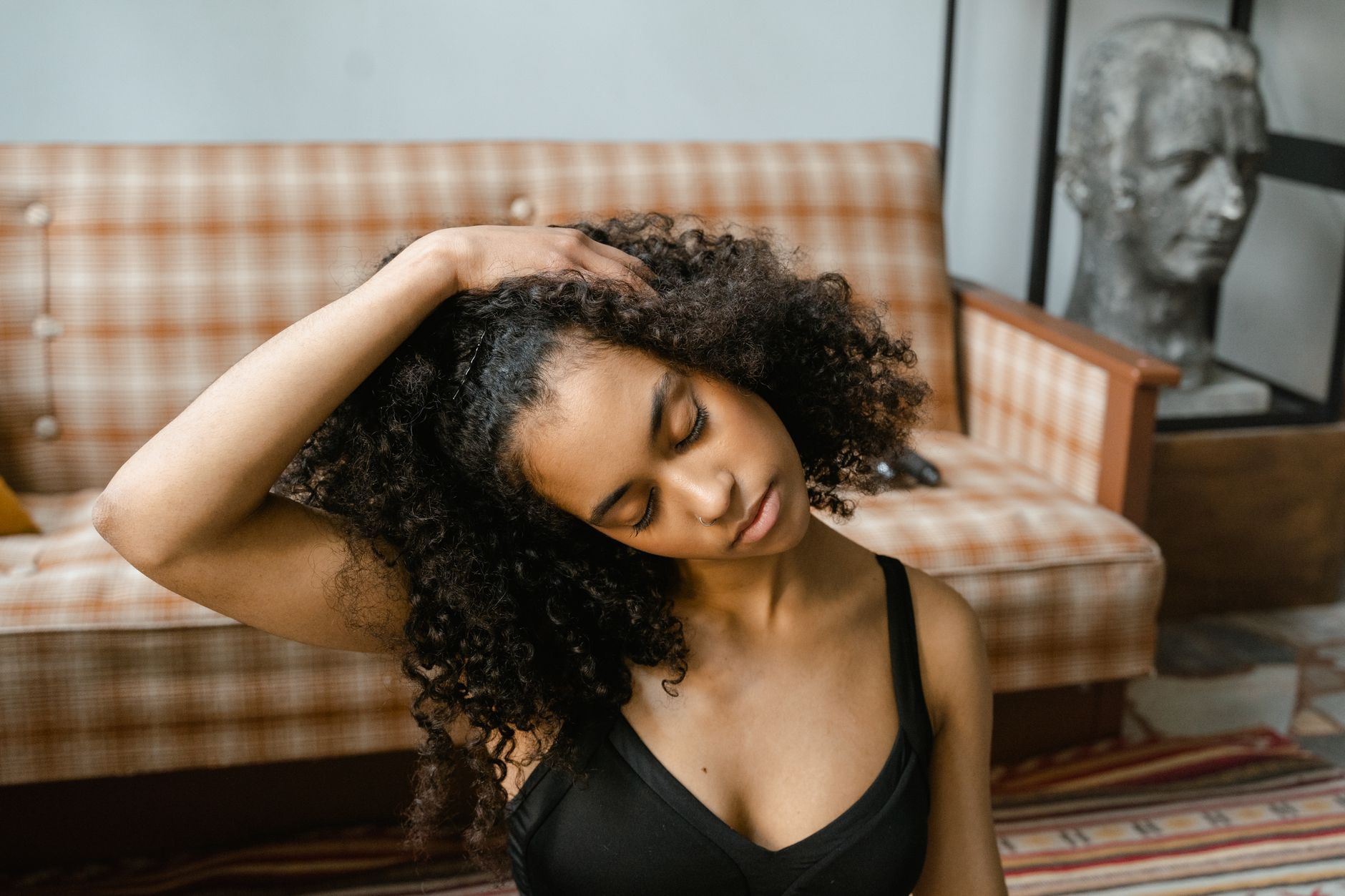
A simple five-step crown smoothing routine
- Step 1: Identify the specific strands standing up so you do not disturb the rest of your hairstyle.
- Step 2: Lightly moisten your fingertips with water and gently press the visible flyaways in the direction of the surrounding hair.
- Step 3: If water is not enough, rub a tiny amount of lightweight anti-frizz serum or suitable styling cream between your fingertips.
- Step 4: Glide your fingers over the surface without massaging product into the scalp. For isolated flyaways, use a clean spoolie with a trace of flexible-hold gel.
- Step 5: Let the area settle naturally and avoid repeatedly touching it. Add more product only if necessary, since excess can make the crown appear greasy.
How Do You Keep the Top of Your Hair Smooth Without Blow-Drying or Straightening?
A gentler washing, drying, and sleeping routine can help limit recurring crown frizz without heated tools. Focus on suitable conditioning, less friction, careful detangling, and lightweight products that match your hair texture.
After washing, gently squeeze excess water from your hair and blot with a soft cotton T-shirt or absorbent hair towel instead of rubbing vigorously. Apply rinse-out conditioner according to your hair type, concentrating on lengths and ends for fine or straight hair and adjusting coverage for drier or curlier textures. If you use a leave-in conditioner, follow its label and begin with a small amount on the strands that need it. Leave-in conditioner is not interchangeable with regular rinse-out co
Between washes, try to reduce unnecessary friction and handling. A smooth pillowcase and loose nighttime hairstyle may help keep strands from becoming rough or tangled, especially if your hair is long or curly. Avoid tight ponytails and repeated forceful brushing around the crown. If you experience persistent scalp itching, redness, flaking, irritation, suspected product allergies, noticeable hair thinning, or ongoing breakage, consult a qualified dermatologist or other appropriate healthcare pr
Everyday habits for a neater crown
- Use shampoo mainly to cleanse the scalp and conditioner according to your hair texture and needs.
- Blot washed hair gently instead of rubbing it with a towel.
- Allow hair to air-dry and limit unnecessary touching while it dries.
- Detangle gently using an approach suited to your texture; avoid dry brushing curly or coily hair if it increases frizz.
- Choose a light leave-in product for fine hair and more conditioning where needed for dry, curly, or thick hair.
- Try a smooth pillowcase and avoid tight hairstyles that pull on the crown.
- Remove styling buildup with an appropriate washing routine rather than adding more product over existing residue.
Quick heat-free fixes for different types of crown frizz
| What you notice | Heat-free solution | What to avoid |
|---|---|---|
| A few short hairs sticking straight up | Lightly dampen your fingertips and guide the hairs down with a soft brush. | Repeated brushing or pressing hard against the scalp. |
| A fuzzy layer across the crown | Smooth a tiny amount of lightweight anti-frizz serum over the surface strands. | Applying heavy creams or oils directly to the roots. |
| Flyaways around the parting | Apply a trace of flexible-hold styling gel with a clean spoolie or fingertips. | Stiff layers of product that leave visible residue. |
| Frizz appearing after washing | Blot gently with a soft T-shirt and allow the hair to air-dry with minimal touching. | Rough towel rubbing or repeatedly rearranging damp hair. |
| Frizz returning after sleeping | Try a smooth pillowcase and a loose, comfortable hairstyle. | Tight overnight hairstyles and excessive friction. |
| Dry, textured curls standing away from the crown | Lightly re-dampen the affected curls and reshape them with fingers and a suitable leave-in product. | Dry brushing that separates curl clumps and increases frizz. |
People also ask
Hair FAQ
Why do I have short frizzy hairs sticking up on top of my head?
Short hairs at the crown may be new growth, broken strands, or naturally shorter pieces that do not blend with the surrounding hair. Static, dryness, humidity, and friction can make them stand out. Gentle styling can improve their appearance, but it cannot reliably identify or repair the underlying cause of breakage.
Can I tame frizzy hair on top of my head without washing it?
Yes. For a quick dry-hair refresh, lightly dampen your fingertips and smooth the raised strands in the direction of the hairstyle. If necessary, use a tiny amount of lightweight anti-frizz serum or flexible-hold gel on the affected hairs. Avoid soaking the roots or layering too much product, which can leave the crown flat or greasy.
What is the best product for smoothing crown flyaways without heat?
The most suitable product depends on your hair texture and how much control you need. A lightweight anti-frizz serum or leave-in product may help soften a fuzzy surface, while a small amount of flexible-hold gel can keep individual flyaways in place. Choose products designed for your hair type, follow the instructions, and avoid applying them directly to an