Quick answer
For effective skincare, apply products from thinnest to thickest. In the morning, cleanse, tone, apply serums (antioxidant), moisturize, and finish with SPF. At night, double cleanse, tone, apply treatments (like retinol), serums, and a richer moisturizer. Adjust this order for specific needs like acne or before makeup.
Understanding the Basics of Skincare Layering
Effective skincare layering follows a simple principle: apply products from the thinnest consistency to the thickest. This method ensures each product can properly penetrate the skin and deliver its intended benefits without being blocked by heavier formulas.
The order in which you apply your skincare products significantly impacts their effectiveness. Applying products in the wrong sequence can prevent absorption, reduce potency, or even cause irritation. Think of your skin as a sponge; it can only absorb so much, and the lighter, more water-based products need to go on first to reach deeper layers.
Starting with cleansers prepares your skin, toners balance pH and add initial hydration, and then serums deliver concentrated ingredients. Moisturizers seal in hydration and active ingredients, while SPF provides crucial protection during the day. Understanding this fundamental flow is key to building an effective routine.
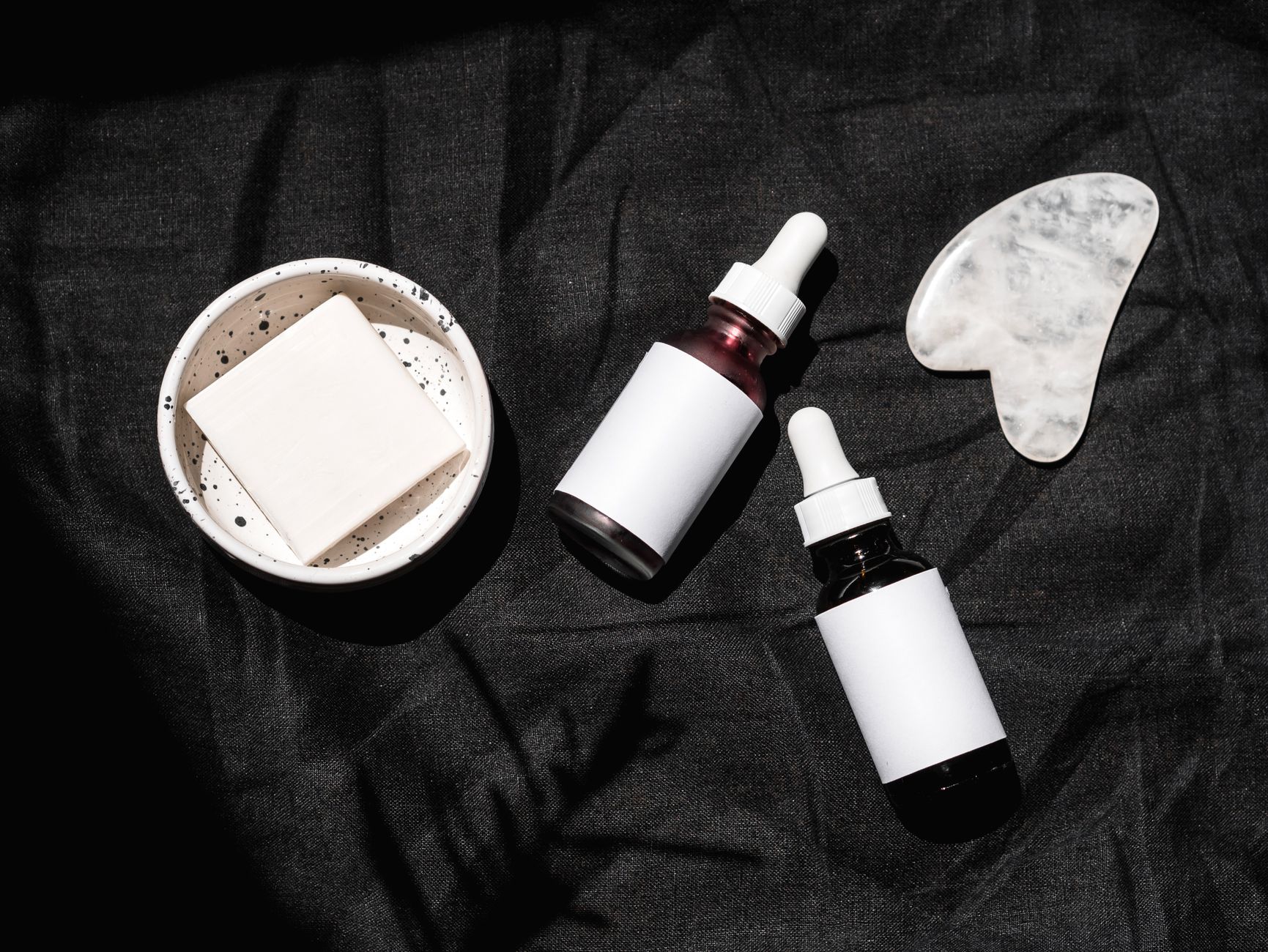
General Skincare Layering Steps
- Cleanse: Remove dirt, oil, and makeup.
- Tone: Balance skin pH and provide initial hydration.
- Treat (Actives/Serums): Apply targeted ingredients for specific concerns.
- Moisturize: Hydrate and lock in previous layers.
- Protect (SPF): Essential for daytime routines.
Morning and Night Routines: Your Daily Skincare Blueprint
Your morning routine focuses on protection and preparation for the day, while your night routine prioritizes repair and treatment. The key difference lies in the types of active ingredients and the inclusion of SPF during the day.
**Morning Skincare Routine: Protect and Prepare**
The goal of your morning routine is to protect your skin from environmental aggressors and prepare it for makeup, if you wear it. Start with a gentle cleanse to remove any overnight buildup without stripping your skin. Follow with a hydrating toner to prep your skin for better absorption. Next, apply antioxidant serums like Vitamin C to combat free radicals. A lightweight moisturizer will hydrate without feeling heavy, and critically, always finish with a broad-spectrum SPF of 30 or higher to sh
**Night Skincare Routine: Repair and Renew**
Nighttime is when your skin goes into repair mode, making it the ideal time for targeted treatments. Begin with a double cleanse to thoroughly remove makeup, sunscreen, and daily impurities. A hydrating toner follows to rebalance your skin. This is the prime time for active ingredients like retinol, AHAs, or BHAs. Apply these treatments, then follow with hydrating or reparative serums. Finish with a richer moisturizer or a sleeping mask to support skin barrier function and lock in all the goodne

Advanced Layering: Actives, Specific Products, and Targeted Concerns
Integrating potent actives like retinol or specific products like The Ordinary formulations and snail mucin requires careful sequencing to maximize benefits and minimize irritation. Adjusting your routine for concerns like acne or before makeup also optimizes results.
**Layering Actives (Retinol, Tretinoin, AHAs/BHAs):** These powerful ingredients should generally be applied to clean, dry skin after toning. If you are new to actives or have sensitive skin, consider the 'sandwich method' where you apply a thin layer of moisturizer *before* your active, then another layer of moisturizer *after* to buffer its intensity. Always introduce new actives slowly, perhaps 2-3 times a week, and never layer multiple strong actives on the same night unless specifically ins
**Integrating The Ordinary Products:** The Ordinary offers many single-ingredient serums. A general rule is to apply water-based serums (e.g., Hyaluronic Acid, Niacinamide) first, followed by oil-based serums (e.g., Squalane Oil), then suspensions (e.g., Vitamin C Suspension). Always check product specific instructions for layering, especially with strong acids.
**Using Snail Mucin:** Snail mucin is a hydrating and repairing ingredient often found in serums or essences. It typically goes on after cleansing and toning, before heavier serums or moisturizers. Its light texture allows it to absorb well and prepare the skin for subsequent layers.
**Skincare for Acne:** For acne-prone skin, cleansing is crucial. After a gentle cleanse and tone, apply acne treatments (like salicylic acid or benzoyl peroxide) to affected areas. Follow with non-comedogenic hydrating serums and moisturizers. If using prescription acne medications, always follow your dermatologist's specific layering instructions.
**Skincare Before Makeup:** The goal is a smooth, hydrated canvas. After your full morning skincare routine (cleanser, toner, serum, moisturizer, SPF), allow each layer to fully absorb. If products feel tacky, wait a few minutes before applying foundation. A primer can be used as the final skincare step before makeup to create an ideal surface and extend wear.
Essential Skincare Layering Order for Different Routines
| Step | Morning Routine | Night Routine | With Actives (e.g., Retinol) |
|---|---|---|---|
| 1. Cleansing | Gentle Cleanser | Oil Cleanser (first cleanse) | Gentle Cleanser |
| 2. Second Cleanse | N/A | Water-based Cleanser | N/A |
| 3. Toning | Hydrating Toner | Hydrating Toner | Hydrating Toner |
| 4. Eye Cream | Light Eye Cream | Rich Eye Cream | Eye Cream (apply before actives around eyes) |
| 5. Actives/Treatments | Vitamin C Serum | Retinol/Tretinoin, BHA/AHA | Retinol/Tretinoin (start with buffer) |
| 6. Serums | Hydrating/Antioxidant Serum | Hydrating/Repair Serum | Hydrating/Repair Serum |
| 7. Moisturizer | Light Moisturizer | Rich Moisturizer | Moisturizer (before or after actives, based on sensitivity) |
| 8. SPF | Broad-spectrum SPF 30+ | N/A | Broad-spectrum SPF 30+ (morning) |
People also ask
Skincare FAQ
Can I skip steps in my skincare routine?
While you can customize your routine based on time and needs, skipping core steps like cleansing, moisturizing, and SPF (in the morning) can compromise your skin's health and the effectiveness of other products. On busy days, a simplified routine is better than none.
How long should I wait between applying different skincare products?
Generally, allow each product to absorb for 30-60 seconds before applying the next. For certain active ingredients like retinoids or strong acids, waiting 10-20 minutes can reduce irritation by allowing the skin's pH to rebalance and ensure the active works optimally without dilution. Pay attention to how your skin feels.
What if my skincare products pill or roll off?
Product pilling often occurs when you apply too much product, do not allow enough absorption time between layers, or combine incompatible formulas (e.g., silicone-heavy products over water-based ones). Try using smaller amounts, waiting longer between steps, or experimenting with different product combinations. If persistent irritation or allergies occur, co