Quick answer
A body scrub is actually a type of exfoliator. They're not two separate things. Scrubs use grains or particles that you rub over your skin, while chemical exfoliators rely on acids like AHA or BHA. No gritty texture needed. Which one suits you depends on how your skin feels and where you want to use it.
Is a scrub an exfoliator?
Yes. A body scrub is a physical exfoliator. Exfoliator is the broader term, covering both gritty scrubs and acid-based products.
The labels can get confusing. Walk down the body-care aisle and you'll spot scrubs, exfoliating washes, peeling lotions and acid-based body treatments. They're all sold for exfoliation, but don't expect them to feel or work the same way.
A traditional scrub has little particles you massage over wet skin. Sugar, salt and finely ground oats are common choices. The friction loosens surface flakes. Pressing harder won't make your skin smoother, though. It can leave you red and sore instead.
Chemical exfoliators work without the gritty bits. Ingredients like AHA and BHA loosen buildup without scrubbing your skin. Some come in leave-on lotions, while others are made to be rinsed off in the shower.

What types will you see?
- Physical scrubs use sugar, salt or polishing particles.
- Chemical formulas contain glycolic, lactic or salicylic acid (the texture is usually smooth rather than grainy).
- Does the ingredient list mention acids or scrub particles? That's your clue.
- An exfoliating wash isn't automatically gritty, so don't judge it by the name.
Which one suits your skin?
A mild scrub works for gentle polishing, while an acid formula can target specific rough or oily areas. Your skin's dryness and sensitivity matter more than the label on the bottle.
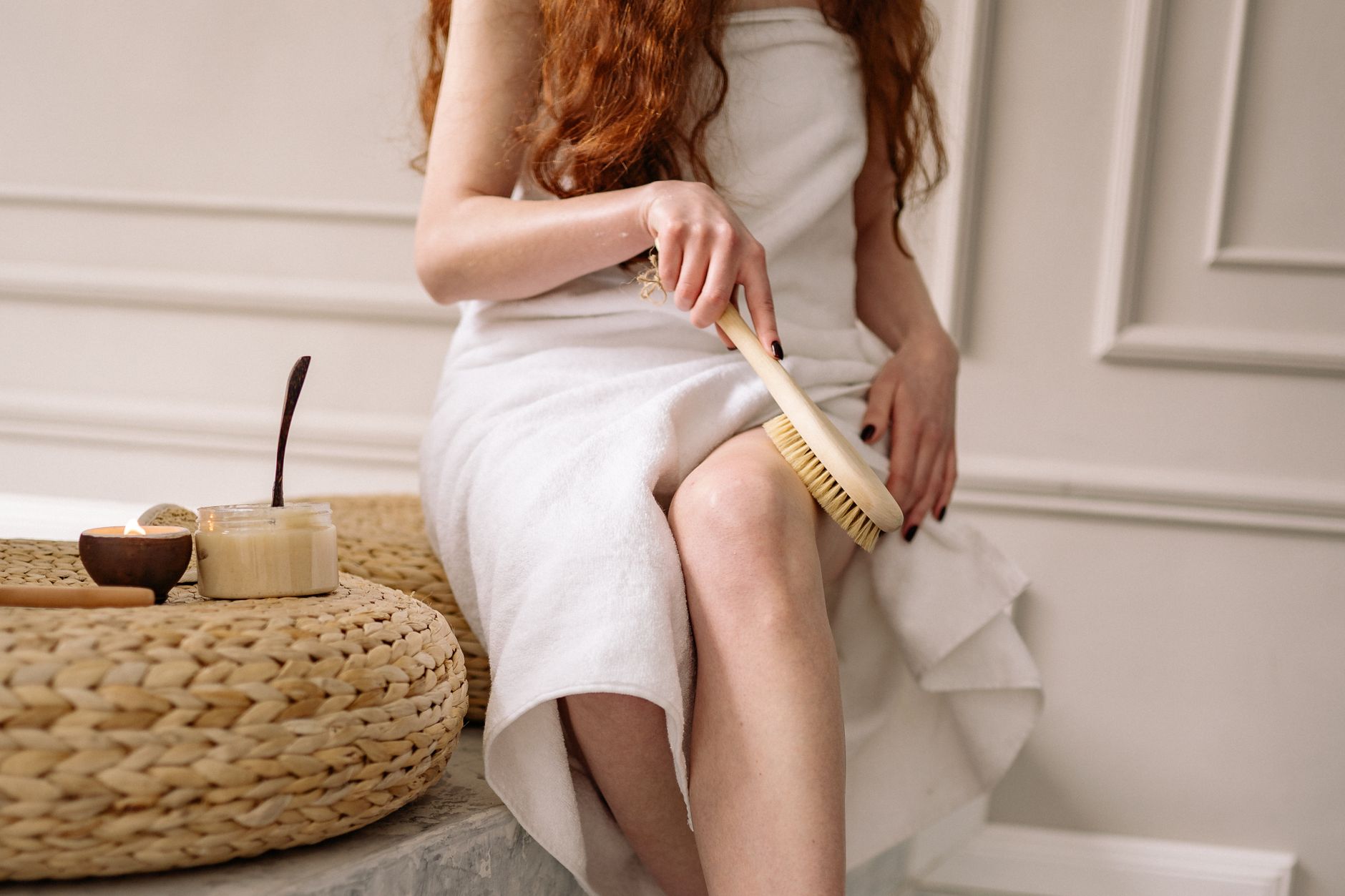
Rough elbows and knees? A mild body scrub can do the job. Massage a little over wet skin with your fingertips. Leave the rough shower mitt out of it. Light pressure is enough.
For dry, flaky patches, a lactic acid body lotion is often a better bet. Lactic acid is an AHA commonly found in products for rough, dry-feeling skin. You won't have to rub grains over those already flaky areas.
If your upper back or chest gets oily and your pores look clogged, consider salicylic acid. It's a BHA often used in body products for those areas. There's no reason to cover your whole body when only your back is bothering you.
Sensitive skin needs extra care. A gritty scrub might feel scratchy, but an acid formula can sting or cause redness, too. Test a small patch first if your skin reacts easily. Never put exfoliants on irritated or broken skin.
What works where?
- Rough elbows and knees suit a mild scrub.
- Lactic acid is worth trying on dry, flaky patches (it avoids rubbing grains over skin that's already shedding).
- Oily patches giving you trouble? Salicylic acid may suit those areas.
- Underarms or bikini skin feeling delicate? Skip gritty scrubs there.
Can you use both together?
No. Don't use a body scrub and an acid exfoliator on the same area on the same day. That's a quick way to end up with irritated skin.
Doubling up might sound like a shortcut to softer skin. It isn't. The scrub creates friction, then the acid adds another exfoliating step. After your shower, you could be left with stinging, redness, dryness or skin that feels uncomfortably tight.
Start with one exfoliating product once a week. Give your skin the next few days to show you how it feels before doing it more often. Want to try the other type? Save it for another day and leave enough recovery time between sessions.
Freshly shaved skin is a no-go. So is sunburned, scratched or irritated skin. When you use an AHA product on exposed areas, include broad-spectrum SPF 30 or higher in your daytime sun protection. Read the product directions, too, since some formulas have their own instructions.
If redness, itching or stinging keeps coming back, stop using the product. Persistent irritation, a suspected allergy or an existing skin condition calls for advice from a dermatologist or another qualified healthcare professional.
How should you start?
- Once a week to start.
- Give your skin a few days to settle (watch for redness or stinging before scheduling another session).
- Freshly shaved? Leave that skin alone.
- Will the area be exposed to daylight? Apply SPF 30 or higher.
How physical and chemical body exfoliation compare
| Feature | Body scrub | Chemical exfoliator |
|---|---|---|
| How it works | Gritty particles loosen surface buildup through rubbing. | AHAs or BHAs loosen dead skin without scrubbing. |
| Common ingredients | Sugar, salt, ground oats, fine polishing particles. | Glycolic acid, lactic acid, salicylic acid. |
| Skin that may prefer it | Normal or tougher-feeling areas that tolerate gentle rubbing. | Dry, rough, oily or clogged areas, depending on the acid. |
| Best body areas | Elbows, knees and rough patches. | Upper arms, back, chest and other suitable areas. |
| Main drawback | Hard rubbing or coarse grains can leave skin irritated. | Too much or too-frequent use can cause dryness and irritation. |
| How to start | Use gentle pressure once a week. | Start with a low-strength formula once a week. |
People also ask
Skincare FAQ
Is a body polish the same as a body scrub?
Usually, yes. A body polish is generally a physical exfoliator with particles you massage over your skin. The grains and texture vary, so check the ingredients and directions before using it.
Is AHA or BHA better for body exfoliation?
Lactic acid suits dry, rough patches, while salicylic acid is often better for oily, clogged areas. Run your fingers over your skin after showering: if your elbows feel rough and flaky, try lactic acid; if your upper back feels oily and bumpy, salicylic acid may be a better fit.
How often should you exfoliate your body?
Once a week is a sensible starting point. If your skin stays comfortable, follow the product directions and increase gradually. Tightness, redness, peeling or stinging means it's time to cut back.