Quick answer
To make lipstick last longer, start with smooth hydrated lips, apply thin layers, and use techniques that help the color set. Prepping with gentle exfoliation when needed, adding a matching liner, and blotting between layers can help reduce fading from meals and daily activities.
How can you prepare your lips before applying lipstick?
A smooth base helps lipstick apply more evenly and reduces the chance of patchy fading. Simple preparation can make your color look better without adding many extra products.
Start with comfortable, moisturized lips before applying color. If your lips have loose dry skin, gently smoothing them can help create an even surface, but avoid harsh scrubbing that may leave the area irritated.
Give lip balm time to absorb before lipstick application. Too much balm directly underneath lipstick can make some formulas move more easily, so remove excess product if your lips feel slippery.
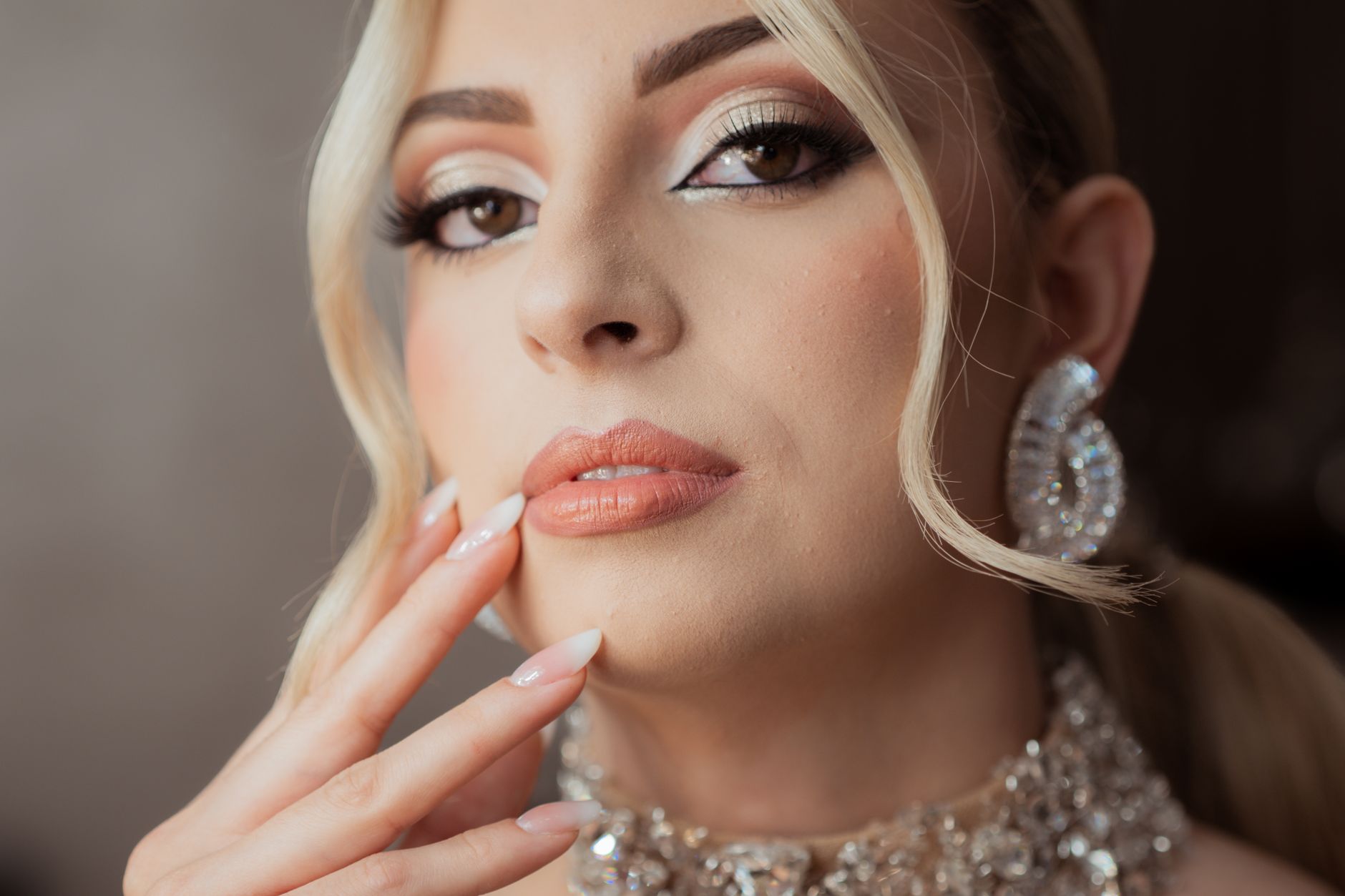
Lip preparation steps
- Apply a small amount of lip balm and let it settle
- Gently smooth uneven texture when needed
- Remove excess moisture before adding lipstick
- Use lip liner to create a clean base and shape
What application techniques help lipstick last longer?
The way you apply lipstick can affect how quickly it fades. Thin layers, careful shaping, and blotting can help create a more durable finish.
Apply lipstick in light layers instead of one thick coat. After the first layer, blot gently with tissue and add another layer if you want more color intensity.
A matching lip liner can help define the edges and provide a base for lipstick. Focus on creating an even outline rather than adding heavy product that may feel uncomfortable.
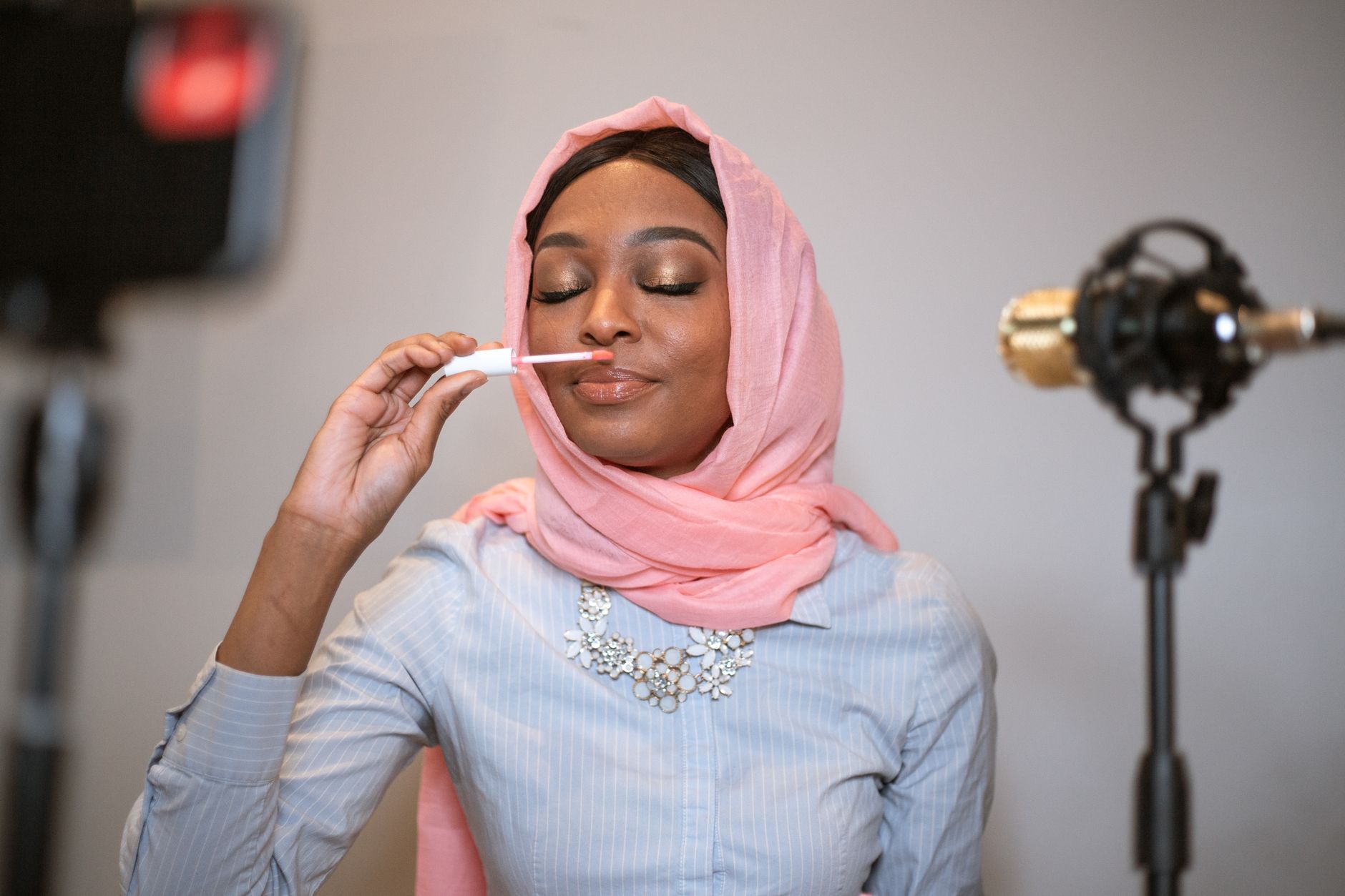
Longer wear application tips
- Outline lips with a matching liner
- Fill in lips lightly with liner before lipstick
- Apply lipstick from the center outward
- Blot gently before adding a final layer
How can you reduce lipstick fading during meals and daily wear?
Daily habits can affect how long lipstick stays visible. Choosing suitable formulas and making small adjustments around food and drinks can help reduce frequent touch-ups.
Creamy and glossy formulas may need more frequent refreshing, while some long wear formulas are designed to resist transfer for longer periods. Choose a finish that feels comfortable for your routine.
When eating, smaller bites and using a napkin carefully can help limit color loss. Reapply only where needed instead of removing and restarting your entire lip look.
Ways to maintain lipstick during the day
- Choose a formula that matches your comfort and routine
- Avoid rubbing lips together frequently after application
- Check the center of the lips after eating
- Refresh color with a small targeted application
Simple steps that help lipstick stay comfortable and look fresh for longer
| Step | What to do | Why it helps |
|---|---|---|
| Prepare lips | Smooth dry areas and apply a light layer of lip balm before makeup | Creates a more even surface for lipstick application |
| Build color | Apply thin lipstick layers and blot gently between coats | Helps reduce excess product that can move or fade |
| Protect wear | Use liner, careful eating habits, and small touch-ups when needed | Helps maintain shape and color throughout the day |
People also ask
Makeup FAQ
Does lip liner really help lipstick last longer?
Lip liner can help create a base and define the lip shape, which may make lipstick wear look more even. It works best when paired with a lipstick formula that suits your routine.
Should you exfoliate lips before every lipstick application?
No. Lip exfoliation is not needed every time and overdoing it can cause irritation. Gentle smoothing only when needed is usually enough for a more even lipstick finish.
What should you do if lipstick products irritate your lips?
Stop using products that cause discomfort and avoid ingredients that seem to trigger reactions. For persistent irritation, allergies, or ongoing skin concerns, consider advice from a qualified professional.