Quick answer
To protect your hair from heat while blow drying, remove excess water gently first, apply a heat protectant as directed, use low or medium heat, keep the dryer moving and avoid holding it too close. Work in sections so each area dries efficiently, then switch to cooler air as your hair approaches dry.
What should you do before you start blow drying?
Remove as much excess water as you reasonably can before reaching for the dryer. Hair that starts less saturated generally needs less time under heated airflow.
After washing, avoid vigorously rubbing your hair with a towel. The American Academy of Dermatology recommends gently wrapping or blotting hair so the fabric absorbs moisture instead. Wet hair can be more vulnerable to rough handling, so keeping this stage gentle matters as much as lowering the dryer temperature.
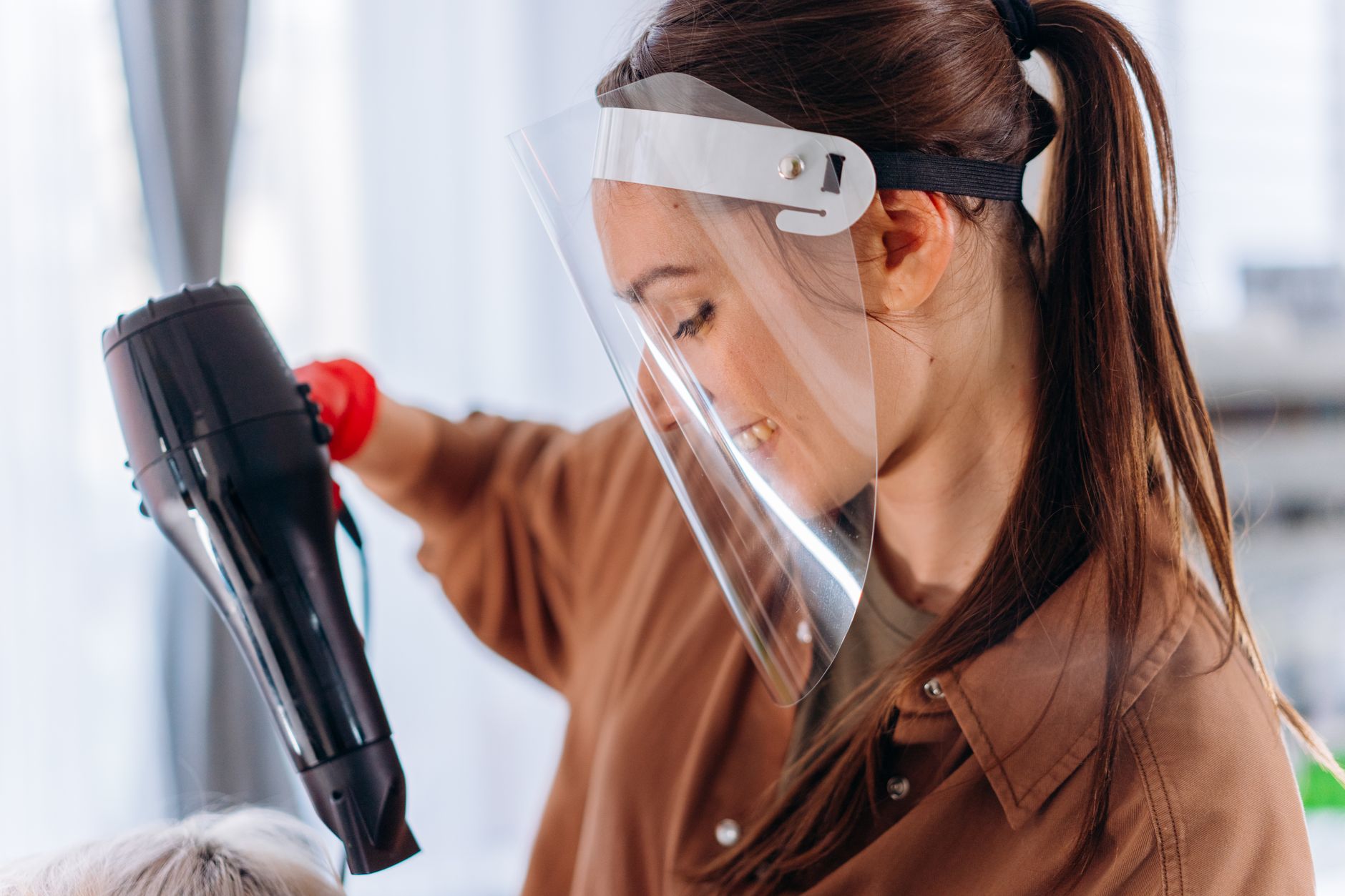
Letting your hair partially air dry can also shorten the time you spend using heated airflow when your routine allows it. Before drying, apply a heat protectant product according to its directions and distribute it through the areas that will be exposed to heat rather than assuming more product automatically means more protection.
Before you turn on the dryer
- Gently squeeze or blot out excess water.
- Avoid aggressive towel rubbing.
- Detangle carefully with a suitable wide-tooth comb when appropriate for your hair type.
- Apply your heat protectant evenly according to the product instructions.
- Allow some air-drying time when practical.
How should you control heat, distance and airflow?
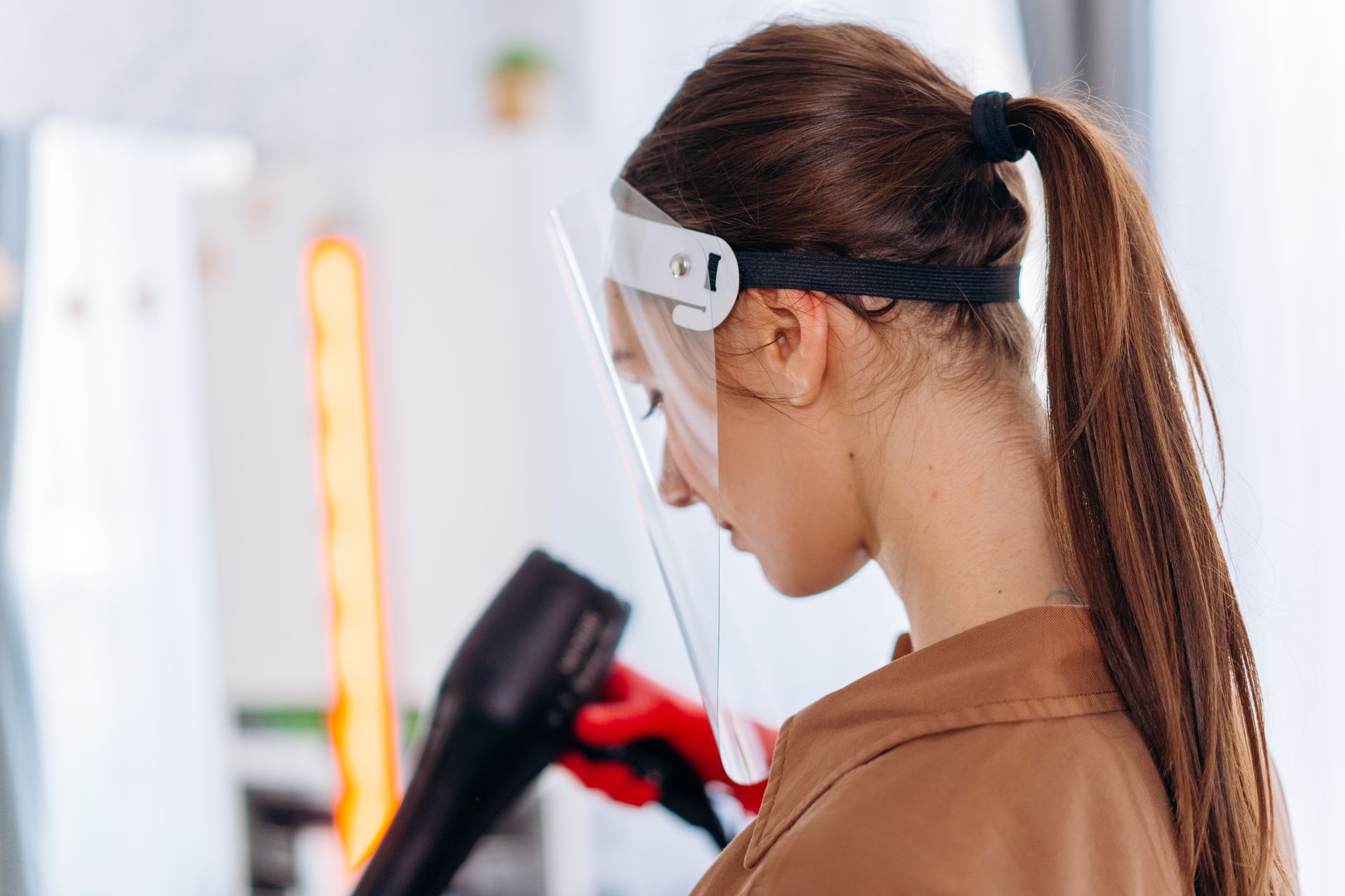
Use the lowest temperature that still dries your hair effectively, and keep the dryer moving instead of concentrating heat on one place. A little extra distance and steady airflow can make the drying process more controlled.
The American Academy of Dermatology advises limiting blow-dryer heat and using low or medium settings. Maximum heat is not automatically faster in a useful way if it encourages you to repeatedly overheat the same sections. Start lower and increase only if you genuinely need more drying power.
Avoid holding the nozzle extremely close to your hair or leaving it aimed at the same spot. Keep your hand moving and direct the airflow generally from roots toward ends. If your dryer has adjustable airflow, you can often use stronger airflow with moderate heat rather than relying on the hottest temperature for speed.
During the blow dry
- Choose low or medium heat first.
- Keep the dryer moving continuously.
- Avoid holding the nozzle against the hair or scalp.
- Aim airflow down the length of the hair rather than blasting sections from every direction.
- Stop reheating sections that are already dry.
Why do sectioning and cooler air make a difference?
Sectioning helps you dry each area deliberately instead of repeatedly passing over the same hair. Once a section is nearly dry, cooler air lets you finish without continuing unnecessary high-temperature exposure.
Large, tangled sections can encourage repeated drying because the outer hair becomes dry while damp areas remain hidden underneath. Dividing your hair into a few manageable sections makes it easier to see what is still wet and move on once each area is finished.
As your hair approaches dry, reduce the heat or use a cool setting if your dryer has one. The goal is not to keep applying heat until every strand feels hot. If you notice continuing breakage, scalp irritation, unusual hair loss or another persistent concern despite gentler styling, consider speaking with a board-certified dermatologist or another qualified hair and scalp professional.
A more efficient finish
- Clip hair into manageable sections.
- Dry one section before moving to the next.
- Check whether a section is actually damp before reheating it.
- Lower the temperature as the hair gets drier.
- Use cooler airflow for the final stage when practical.
Simple ways to reduce unnecessary heat during a blow dry
| Blow-dry step | Better approach | Why it helps |
|---|---|---|
| Before drying | Gently absorb water with a towel or soft T-shirt instead of rubbing | Removes moisture before heat is needed and reduces rough handling |
| Heat setting | Start with low or medium heat rather than maximum heat | Limits unnecessary exposure to very high temperatures |
| Dryer position | Keep the dryer moving and avoid pressing the nozzle close to one spot | Reduces concentrated heat on a small section of hair |
| Sectioning | Divide hair into manageable sections and dry one area at a time | Makes the process more efficient and reduces repeated passes |
| Finishing | Switch to cooler air when the hair is nearly dry | Allows you to finish styling without continuing high heat |
People also ask
Hair FAQ
Should you blow dry soaking wet hair?
It is usually more efficient to gently remove excess water first. Blotting or wrapping the hair and allowing some air-drying time can reduce how long you need to use heated airflow.
Is low heat always better for blow drying?
Lower heat generally reduces unnecessary heat exposure, but the useful setting depends on your hair, dryer and styling goal. Start with low or medium heat and use only as much temperature as you need to dry efficiently.
Do you still need heat protectant if you use a cool dryer setting?
If you regularly use heated styling tools, a product labeled for heat protection can be a useful part of your routine. Follow the product directions and remember that protectant does not replace sensible temperature, distance and drying-time habits.