Quick answer
Taming frizzy hair involves a combination of understanding its causes, using hydrating products, and adopting gentle styling techniques. Focus on moisturizing shampoos and conditioners, applying anti-frizz serums to damp hair, and air-drying or using a diffuser on low heat. Consistent care helps achieve smooth, manageable locks.
What Causes Frizzy Hair?
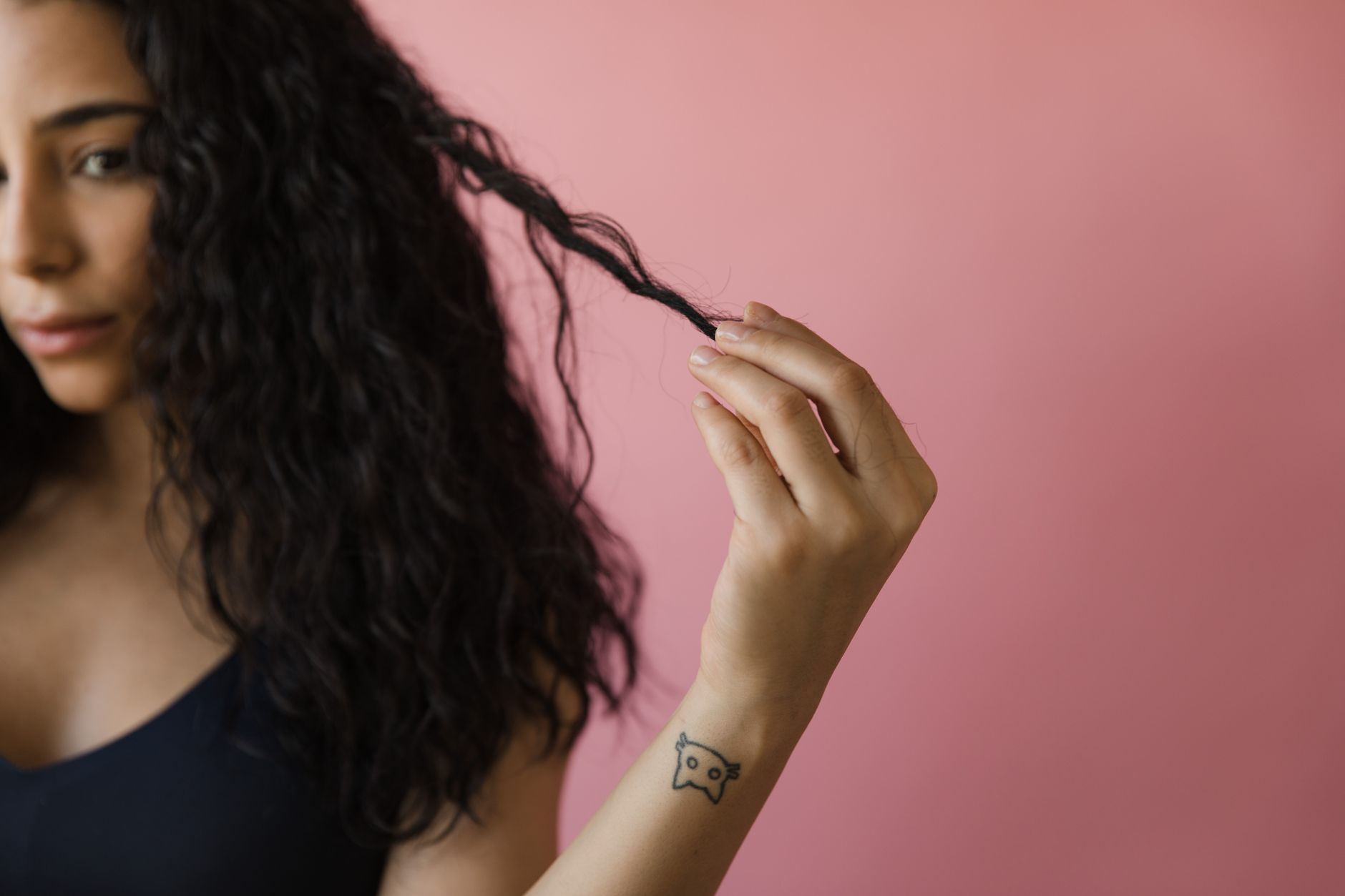
Frizz occurs when the hair's outer cuticle layer is raised, allowing moisture from the air to enter and swell the strands. Common culprits include humidity, dryness, hair damage, and improper washing or styling techniques.
Hair is naturally porous, and when exposed to humidity, it absorbs moisture from the air, causing the cuticle to lift and create a rough texture. This is especially true for hair that is already dry or damaged.
Lack of moisture is a primary contributor to frizz. When hair is dry, it actively seeks moisture from its environment. Damage from heat styling, chemical treatments, or harsh brushing can also compromise the cuticle, making it more prone to frizz.

Essential Techniques for Smooth Hair
Adopt a gentle hair care routine by using lukewarm water for washing and conditioning with hydrating products. Always detangle hair carefully when wet and blot dry with a microfiber towel to minimize friction.
Start in the shower. Use lukewarm water to wash your hair, as hot water can strip natural oils and open the cuticle. Apply a generous amount of conditioner, focusing on the mid-lengths and ends, and let it sit for a few minutes before rinsing with cool water to help seal the cuticle.
After washing, avoid rubbing your hair vigorously with a terry cloth towel. Instead, gently blot excess water with a microfiber towel or an old cotton t-shirt. This reduces friction and prevents the cuticle from roughening. Just as you might carefully check ingredients in other home care items, like reviewing what's in pet recipes at pawdishy.com/foods-to-avoid-in-pet-recipes, understanding the components of your hair products is key to effective frizz management. When blow-drying, use
Gentle Styling Practices
- Apply anti-frizz serum or cream to damp hair, distributing it evenly.
- Use a wide-tooth comb or your fingers to detangle, starting from the ends and working your way up.
- Consider air-drying your hair whenever possible to minimize heat exposure.
- For blow-drying, direct the airflow downwards from roots to ends to smooth the cuticle.
Product Picks and Natural Solutions
Select hair products specifically formulated to hydrate and smooth, such as those containing humectants like glycerin or nourishing oils. For persistent concerns, consult a hair care professional for tailored advice.
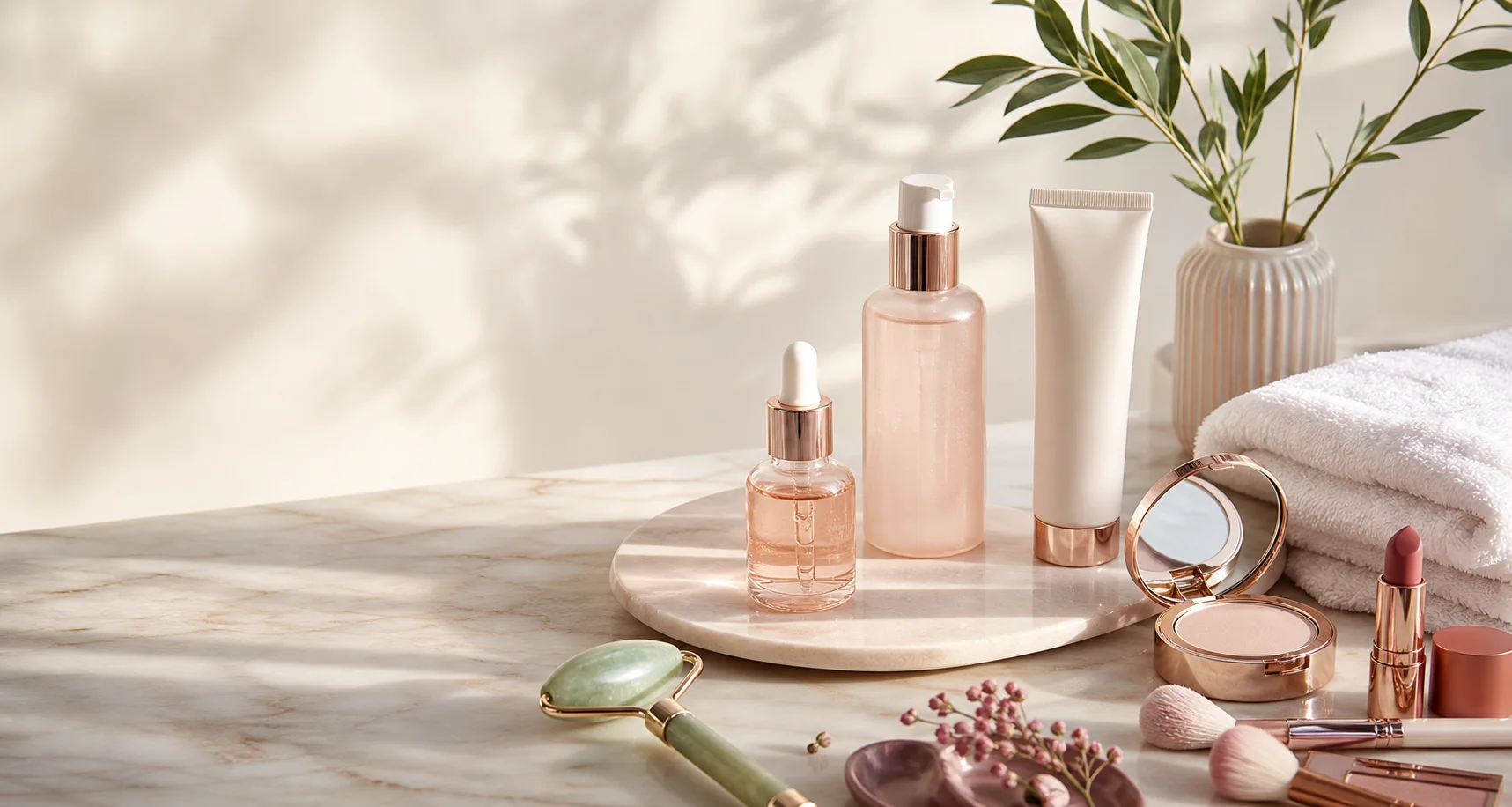
Look for shampoos and conditioners labeled 'frizz-control,' 'hydrating,' or 'smoothing.' These products often contain ingredients like argan oil, shea butter, glycerin, or silicones that help to moisturize and coat the hair shaft. Leave-in conditioners and anti-frizz serums are also excellent for providing an extra layer of protection and shine.
For a natural approach, consider applying a small amount of argan oil, coconut oil, or jojoba oil to your hair's ends to add moisture and reduce frizz. An apple cider vinegar rinse (diluted with water) can also help to smooth the cuticle and add shine. Remember that results can vary, and what works for one hair type may not work for another. If you experience persistent scalp irritation or allergic reactions, consult a qualified professional.
Key Ingredients for Frizz Control
| Ingredient | Benefit | Common Product Type |
|---|---|---|
| Argan Oil | Deeply moisturizes and adds shine | Serums, leave-ins, masks |
| Shea Butter | Nourishes, softens, and seals moisture | Conditioners, creams, masks |
| Glycerin | Attracts and holds moisture from the air | Shampoos, conditioners, styling gels |
| Silicones (e.g., Dimethicone) | Forms a protective barrier, smooths cuticle | Serums, leave-ins, heat protectants |
| Hyaluronic Acid | Hydrates and plumps hair strands | Shampoos, conditioners, treatments |
People also ask
Hair FAQ
Is frizz a sign of unhealthy hair?
Frizz can indicate dryness or damage, but it's also a natural characteristic for many hair types, especially in humid conditions. While not always a sign of unhealthy hair, consistent frizz often suggests a need for more moisture and gentle care.
Can diet affect frizzy hair?
A balanced diet rich in essential fatty acids, vitamins, and minerals supports overall hair health, which can indirectly contribute to less frizz. However, diet alone is unlikely to be the sole solution for significant frizz issues.
How often should I wash frizzy hair?
The ideal washing frequency depends on your hair type and scalp. For frizzy hair, many find that washing every 2-3 days, or less frequently, helps retain natural oils and moisture, which can reduce frizz. Over-washing can strip hair of essential moisture.