Quick answer
To make lipstick last all day, begin with proper lip preparation by exfoliating and moisturizing. Next, apply a lip primer and line your lips to create a base. Layer your lipstick, blot, and set with a translucent powder. These steps create a durable foundation, helping your lip color withstand eating, drinking, and daily activities for extended wear.
The Foundation: Prepping Your Lips for Success
Proper lip preparation is crucial for long-lasting lipstick. Exfoliating removes dry skin, creating a smooth canvas, while moisturizing deeply hydrates, preventing cracks and ensuring an even application that adheres better.
Before you even think about applying color, the state of your lips makes all the difference. Dry, flaky lips will not hold lipstick well; the color will settle into cracks and fade unevenly. Start by gently exfoliating your lips to remove any dead skin. You can use a dedicated lip scrub or even a soft toothbrush with a little sugar and olive oil.
Once exfoliated, follow up with a nourishing lip balm. Allow it to soak in for a few minutes while you do the rest of your makeup. Blot off any excess balm before applying lipstick to ensure the surface isn't too slick. This creates a smooth, hydrated canvas that allows your lipstick to adhere uniformly and comfortably.
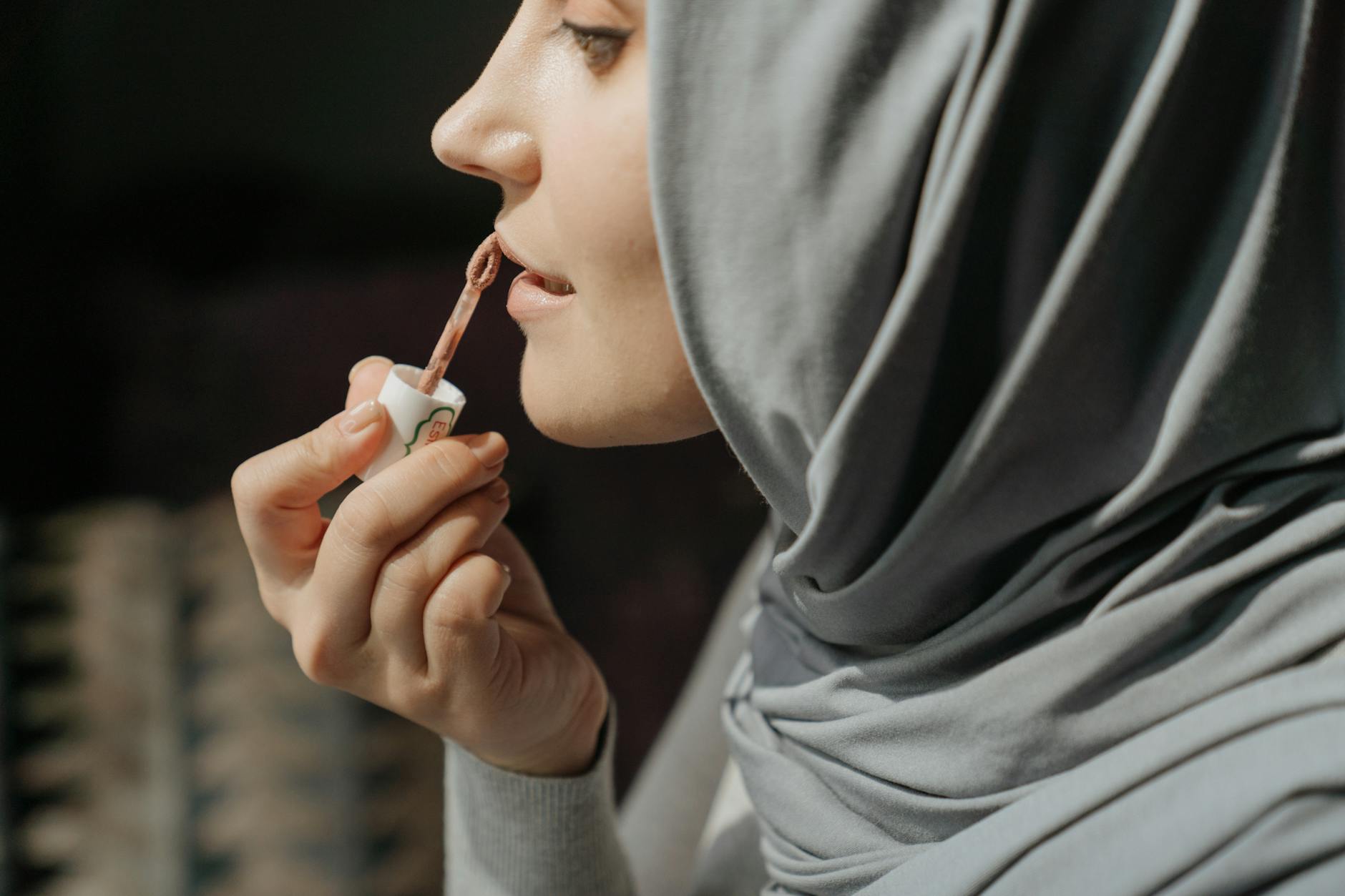
Lip Prep Checklist
- Gently exfoliate lips to remove dry skin.
- Apply a hydrating lip balm or treatment.
- Allow balm to absorb for 5-10 minutes.
- Lightly blot off any excess balm with a tissue.
Strategic Application: Layering for Longevity
Layering lipstick correctly involves building up color in stages, starting with a primer and liner. This multi-step approach creates a robust base, enhancing color intensity and significantly improving its staying power.
Once your lips are prepped, it's time for strategic application. Begin with a lip primer. A good lip primer creates a smooth base, fills in fine lines, and provides a tacky surface for lipstick to grip onto, preventing feathering and fading.
Next, outline your lips with a lip liner that matches your lipstick shade or is a neutral nude. Fill in your entire lip with the liner; this acts as an additional base layer, giving your lipstick something extra to cling to, even if the top layer wears off. This also helps prevent the color from bleeding outside your lip line.
Apply your first thin layer of lipstick directly from the tube or with a lip brush for precision. Blot gently with a tissue. This removes excess product and presses the pigment into your lips. Apply a second thin layer of lipstick. This layering technique builds intensity and durability.

Application Steps for Extended Wear
- Apply a thin layer of lip primer.
- Outline and fill in lips completely with a matching or neutral lip liner.
- Apply the first thin layer of lipstick.
- Blot lips gently with a tissue.
- Apply a second thin layer of lipstick.
Setting the Stage: Locking in Your Color
Setting your lipstick is the final, crucial step to ensure it stays put through daily activities and meals. This involves using a translucent powder or a dedicated setting product to create a protective barrier that locks in the color.
After applying your final layer of lipstick, the last step is to set it. This technique, often borrowed from stage makeup, dramatically extends wear time. Place a single ply of tissue over your lips. Using a fluffy brush, lightly dust a small amount of translucent setting powder over the tissue, targeting the areas where the tissue covers your lips.
The tissue acts as a filter, allowing a fine mist of powder to set the lipstick without dulling the color or creating a cakey texture. Alternatively, some brands offer dedicated lipstick topcoats or sealers designed to create a long-lasting, transfer-proof finish. Choose a method that suits your comfort and desired finish.
For persistent irritation, allergies, or concerns about lip health, consult a qualified dermatologist or healthcare professional.
Setting Techniques
- Place a single ply of tissue over your freshly applied lipstick.
- Lightly dust translucent setting powder over the tissue using a fluffy brush.
- Remove the tissue. Your lipstick is now set.
- Alternatively, apply a dedicated lipstick topcoat or sealer if preferred.
Long-Lasting Lipstick Product Pairings
| Step | Recommended Product Type | Benefit for Extended Wear |
|---|---|---|
| Preparation | Lip scrub, Hydrating lip balm | Smooths texture, prevents flaking, creates even base |
| Base | Lip primer, Lip liner | Fills lines, prevents feathering, provides adhesion for color |
| Color | Matte liquid lipstick, Long-wear bullet lipstick | Formulated for durability, less transfer, high pigment |
| Setting | Translucent setting powder, Lip topcoat | Locks in color, reduces shine, adds a protective layer |
People also ask
Makeup FAQ
Can I use any lip balm before lipstick?
While hydrating lip balm is good, ensure it's not too oily or greasy. Blot off any excess before applying primer or lipstick to prevent it from making the color slip and slide.
What if my lipstick still smudges after all these steps?
If smudging persists, consider using a long-wear or matte liquid lipstick formulation, which are typically designed for minimal transfer. Also, ensure you're not applying too much product in each layer, as excess can lead to smudging.
How do I reapply lipstick without it looking cakey?
For touch-ups, gently blot off any worn or excess lipstick first. Then, reapply a thin layer, focusing on the areas that need it most. Avoid layering new color over thick, old product to maintain a fresh look.