Quick answer
To layer skincare products for acne-prone skin, start with a gentle cleanser, then apply any acne treatment according to its directions. Follow with lightweight hydration and a non-comedogenic moisturizer. In the morning, finish with broad-spectrum SPF 30 or higher sunscreen. Keep the routine simple and avoid combining multiple irritating treatments without professional guidance.
What Order Should You Apply Skincare Products for Acne in the Morning?
A morning routine for acne-prone skin should move from gentle cleansing to any directed treatment, hydration, moisturizer, and sunscreen. You do not need a long lineup of products to create a comfortable daily routine.
Start by washing your face with a gentle cleanser and lukewarm water. Use your fingertips rather than a rough washcloth or cleansing brush, and avoid scrubbing areas with visible blemishes. The goal is to remove overnight oil and residue without leaving your skin feeling tight or uncomfortable. If your skin feels especially dry, choose a mild cleanser that does not leave a squeaky-clean sensation.
If you use an acne treatment in the morning, check its instructions before adding other products. Some treatments are designed for clean, dry skin, while others have specific directions about application frequency, moisturizer, or sun exposure. A lightweight hydrating serum can be added when your skin needs extra comfort, but it is optional. Follow with a moisturizer labeled non-comedogenic or oil-free if that texture suits your skin. Finish with broad-spectrum SPF 30 or higher sunscreen, applyi
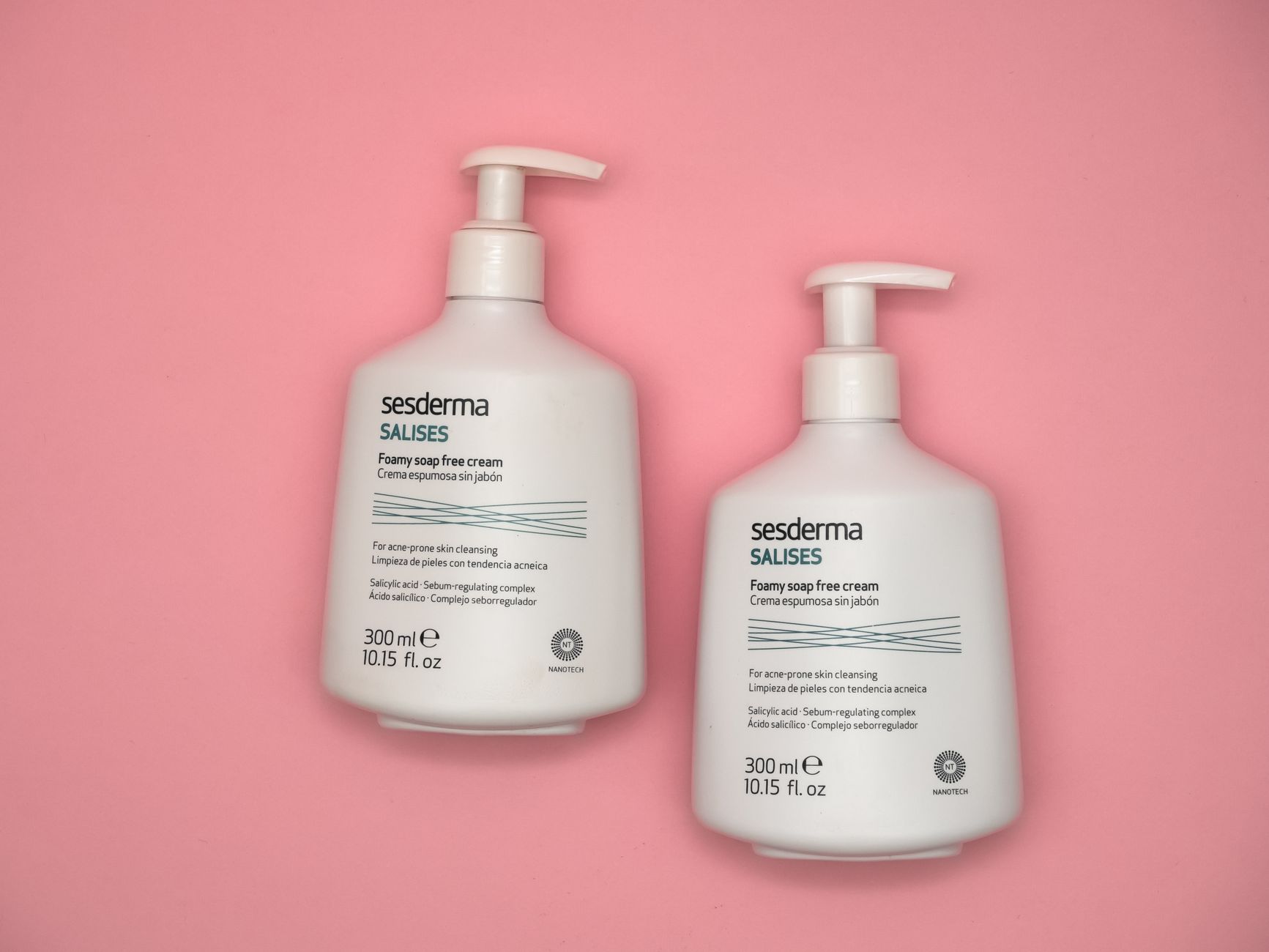
Simple morning layering checklist
- Cleanse gently and pat your face dry with a clean towel.
- Apply any morning acne treatment according to its product instructions.
- Add a gentle hydrating serum if your skin benefits from one and the treatment directions allow it.
- Apply a lightweight, non-comedogenic moisturizer.
- Finish with broad-spectrum SPF 30 or higher sunscreen.
How Should You Layer Acne Treatments and Moisturizer at Night?
At night, cleanse first and place your acne treatment where its instructions specify, then use compatible hydrating products and moisturizer. Some treatments require a different order or completely dry skin, so the product directions take priority over general layering rules.
Your evening routine starts with removing makeup, sunscreen, and daily buildup. A gentle cleanser may be enough, although you can use a separate makeup remover when needed. Avoid repeatedly washing your face or using harsh scrubs to make it feel cleaner. After cleansing, follow the directions for your acne treatment, whether it contains benzoyl peroxide, salicylic acid, adapalene, or another ingredient. These products are not interchangeable, and their application instructions can differ. For ex
Moisturizer remains useful even when your skin feels oily. Some acne treatments can leave skin dry or uncomfortable, and a suitable moisturizer can help maintain hydration. Look for a non-comedogenic formula with a texture you enjoy using consistently. If your treatment instructions allow it, a simple hydrating serum can fit into the routine, but it is not essential. When a treatment causes dryness, ask a dermatologist or pharmacist whether changing application frequency or using moisturizer bef
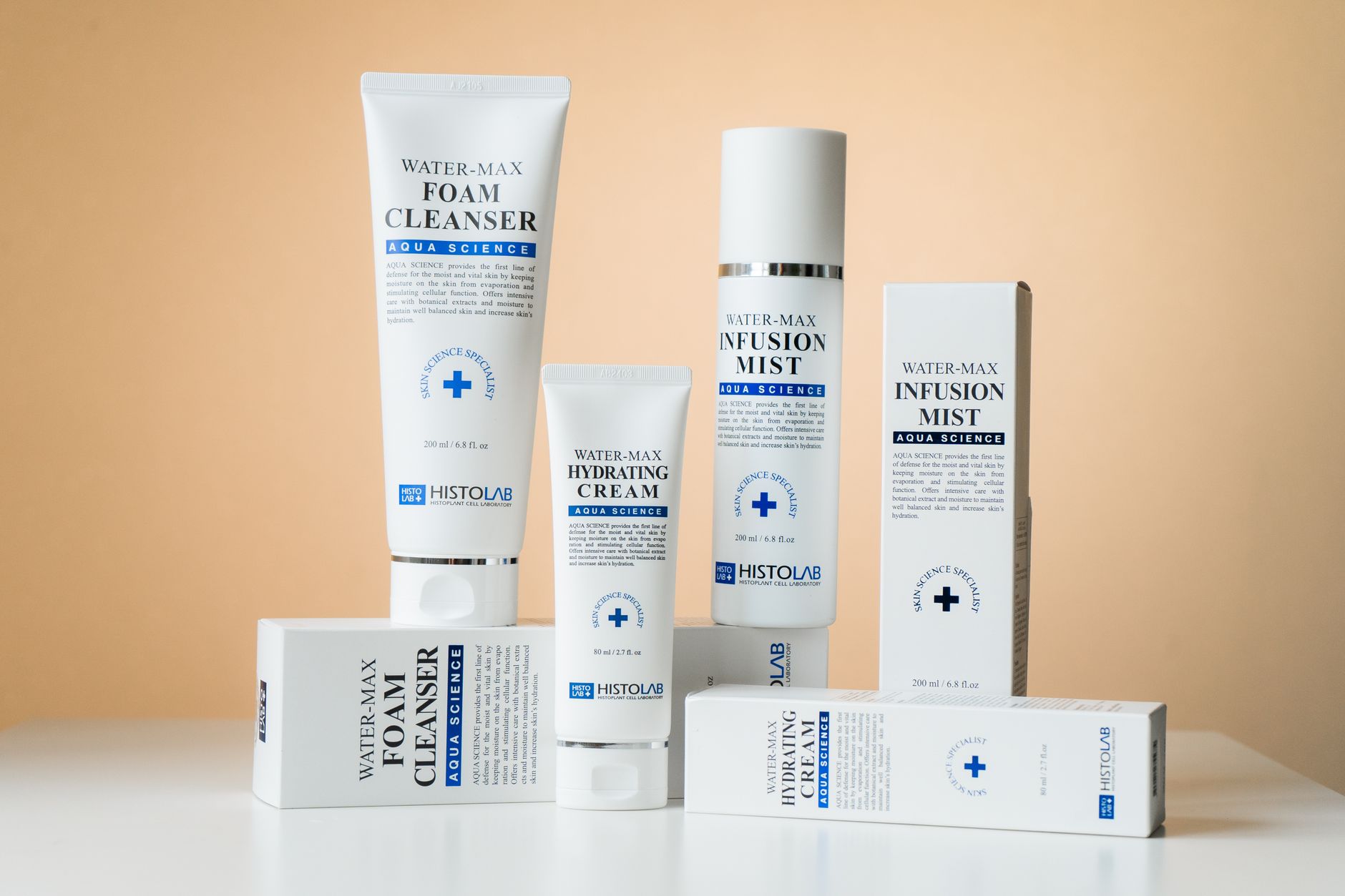
Comfortable evening routine
- Remove makeup and sunscreen without harsh rubbing.
- Cleanse with a gentle face wash and pat dry.
- Apply the prescribed or selected acne treatment as directed, including any required waiting time.
- Use a compatible hydrating serum only if it adds comfort.
- Finish with a non-comedogenic moisturizer unless the treatment instructions specify a different order.
How Can You Avoid Overloading Acne-Prone Skin With Too Many Products?
Keep your routine focused on cleansing, appropriate treatment, moisturizing, and daytime sun protection. Introduce optional products gradually so you can notice irritation and avoid unnecessary combinations of strong active ingredients.
Using more skincare products does not automatically create a better routine. Layering several exfoliating acids, retinoids, acne spot treatments, and strong cleansing products in one session may leave your skin feeling dry, stinging, or uncomfortable. Rather than stacking treatments because they target similar concerns, choose products that serve a clear purpose. Follow the instructions on each treatment and ask a qualified dermatologist or pharmacist before combining ingredients that may increa
Product texture and labeling also matter. Non-comedogenic means a product is formulated to be less likely to clog pores, but it does not guarantee that every person will tolerate it or avoid breakouts. Lightweight lotions, gels, and creams can all be suitable depending on your skin's comfort and hydration needs. Avoid assuming that oily skin should skip moisturizer or that tingling means a product is working. If you experience persistent burning, significant irritation, suspected allergic reacti
Habits that help keep your routine manageable
- Choose a gentle cleanser instead of relying on aggressive scrubbing.
- Look for non-comedogenic moisturizers and sunscreen formulas.
- Avoid combining several strong exfoliating or acne treatments without guidance.
- Introduce optional serums and new active ingredients one at a time.
- Pay attention to persistent dryness, stinging, redness, or discomfort.
- Follow treatment directions instead of assuming every product belongs in the same layering position.
Simple skincare layering order for acne-prone skin in the morning and evening
| Step | Morning routine | Evening routine |
|---|---|---|
| 1. Cleanse | Wash gently with a mild cleanser and lukewarm water. | Remove sunscreen and makeup, then cleanse gently. |
| 2. Treat | Apply a morning-compatible acne treatment if directed. | Apply a nighttime acne treatment according to its instructions. |
| 3. Hydrate | Use an optional lightweight hydrating serum if comfortable. | Use an optional gentle hydrating serum if needed. |
| 4. Moisturize | Apply a lightweight non-comedogenic moisturizer. | Apply a non-comedogenic moisturizer to support skin comfort. |
| 5. Protect | Finish with broad-spectrum SPF 30 or higher sunscreen. | No sunscreen is needed before bed. |
People also ask
Skincare FAQ
Should you apply acne treatment before or after moisturizer?
Many acne treatments are applied after cleansing and before moisturizer, but the correct order depends on the product. Some treatments require dry skin, while others may have specific directions about moisturizer. Follow the label or your dermatologist's instructions rather than applying a universal rule.
Can you use a hydrating serum if you have acne-prone skin?
Yes, a gentle hydrating serum can be an optional part of an acne-prone skincare routine. Look for a lightweight formula that feels comfortable and does not introduce unnecessary irritating ingredients. Apply it in an order compatible with your acne treatment, and remember that a serum is not required if your moisturizer provides enough hydration.
Do you need moisturizer and sunscreen if your skin is oily and acne-prone?
Yes, oily skin can still benefit from moisturizer, especially when acne treatments cause dryness. Choose a lightweight, non-comedogenic formula that feels comfortable. During the day, use broad-spectrum SPF 30 or higher sunscreen, even when your moisturizer already provides hydration. A combined moisturizer and sunscreen can simplify the routine if it offers