Quick answer
To exfoliate skin naturally at home, start with a clean, soft washcloth and lukewarm water. Use very light pressure, avoid irritated areas, and moisturize afterward. Skip rough homemade scrubs and acidic kitchen ingredients. Natural does not always mean gentle, so choose your method based on your skin type and how your skin responds.
What Does It Really Mean to Exfoliate Your Skin Naturally?
Natural exfoliation usually refers to removing surface dead skin cells with simple physical methods or ingredients rather than a formulated exfoliating product. However, an ingredient being natural does not establish that it is gentle, effective, or suitable for your skin.
Your skin naturally sheds dead cells as part of its normal renewal process. Exfoliation helps remove some of the cells remaining on the surface, but it is not an essential step for everyone. If your skin already feels comfortable and looks healthy, you may not need to exfoliate regularly.
A soft washcloth offers a simple way to exfoliate without using a gritty scrub. The fabric provides mild physical friction when moved gently over damp skin. This is different from using rough brushes, coarse grains, or aggressive rubbing, which can cause redness and discomfort.
Homemade scrubs may sound appealing because their ingredients are familiar. Yet sugar crystals, salt, coffee grounds, and other particles can be abrasive, while lemon juice and baking soda may irritate the skin because of their chemical properties. Natural ingredients are not automatically safer than carefully formulated skincare products.
The American Academy of Dermatology advises choosing exfoliation methods based on skin type and avoiding techniques that cause irritation. The aim is not to scrub until skin feels squeaky clean, but to use the least aggressive approach your skin can comfortably tolerate.
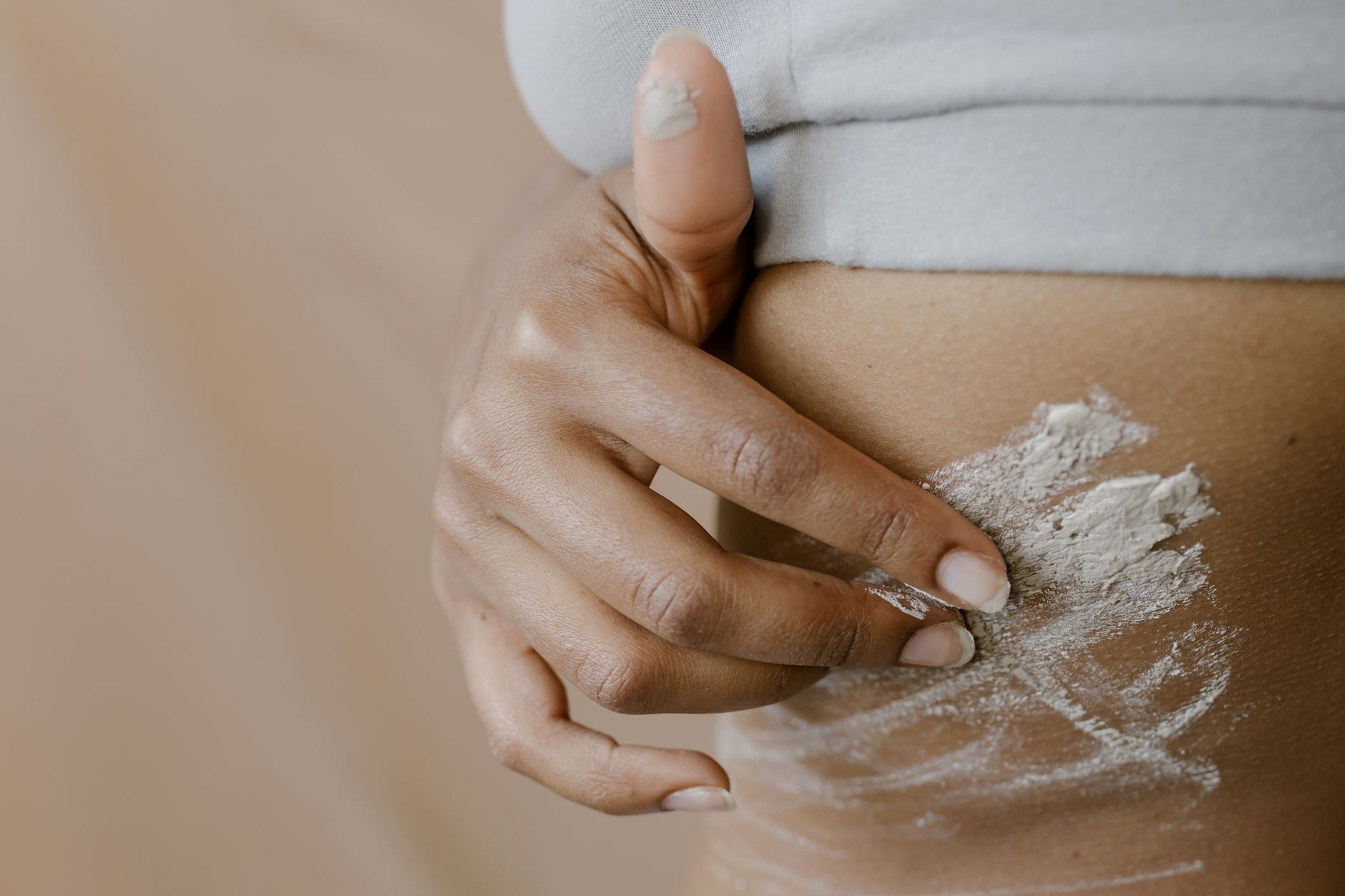
Before choosing a natural exfoliation method
- Consider whether your skin actually needs exfoliation.
- Choose a soft, clean material rather than rough particles.
- Avoid experimenting with acidic or alkaline kitchen ingredients.
- Do not exfoliate broken, sunburned, or visibly irritated skin.
- Remember that gentle cleansing and moisturizing may be sufficient.
How Can You Exfoliate Your Skin Naturally at Home Without Irritation?
For skin that tolerates physical exfoliation, a clean, soft washcloth with lukewarm water is a practical starting point. Keep contact brief, use minimal pressure, and avoid combining the method with other exfoliating treatments.
Begin by washing your hands and wetting your face with lukewarm water. If you wear makeup or sunscreen, remove it first with a suitable gentle cleanser. Exfoliating over makeup or accumulated residue can increase unnecessary friction.
Wet a freshly cleaned cotton washcloth and gently move it across a small area of skin using light circular motions. Avoid the delicate eyelid area, active irritation, cuts, and areas that sting. You do not need to press hard or repeatedly rub the same spot.
Rinse with lukewarm water, gently pat dry, and apply a fragrance-free moisturizer while the skin is still slightly damp. Moisturizing afterward helps support the skin barrier and reduce the dry feeling that sometimes follows exfoliation.
Start conservatively rather than exfoliating every day. For example, if your skin tolerates it, you might try one gentle session and wait several days to assess your skin before repeating. There is no universal schedule, and persistent tightness, redness, flaking, or stinging means the method may be too irritating.
Be particularly cautious if your routine already includes retinoids, exfoliating acids, or acne treatments that can increase dryness or sensitivity. Adding washcloth exfoliation may increase irritation, so avoiding the extra step may be preferable.
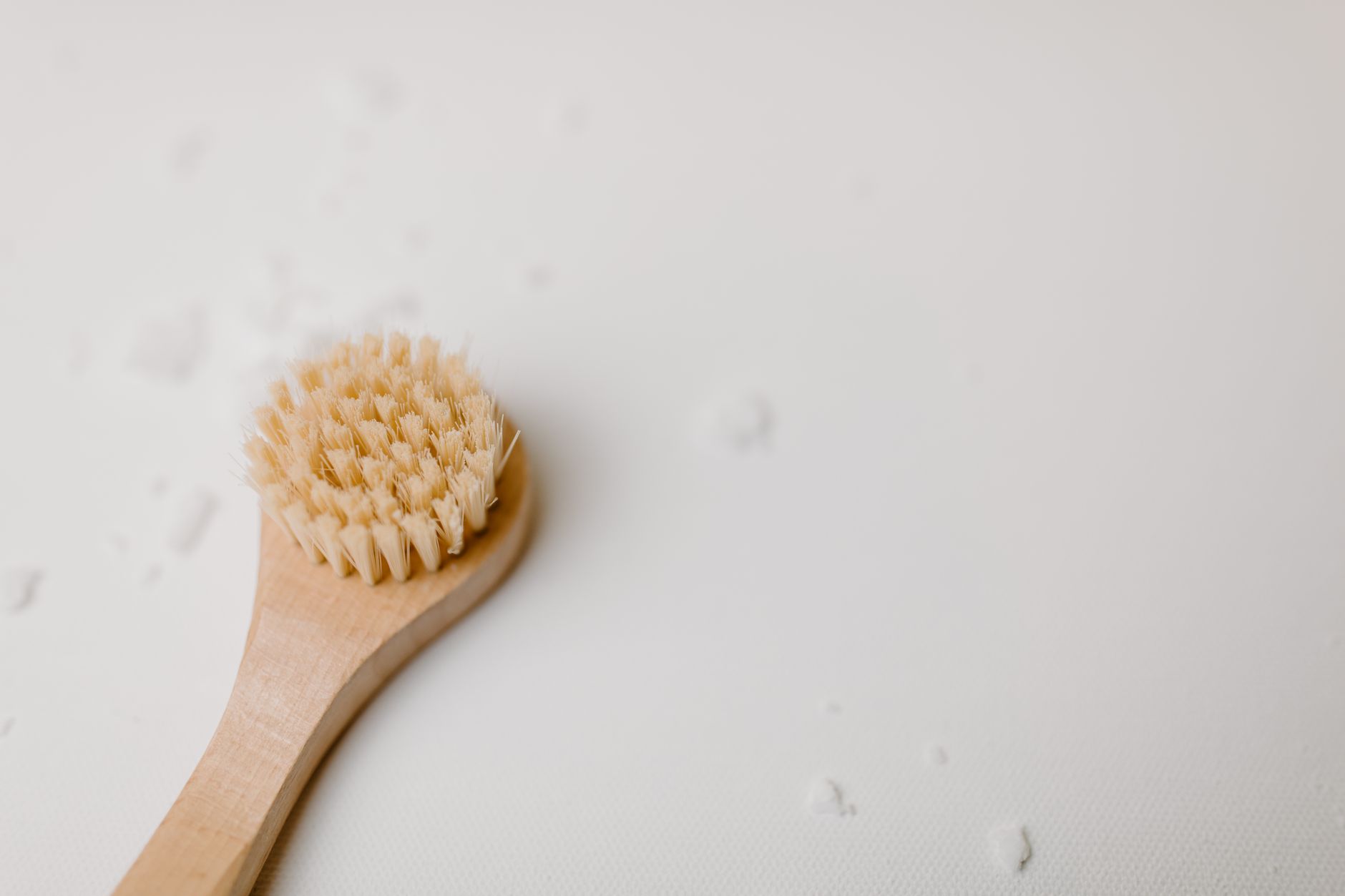
A simple gentle washcloth routine
- Cleanse your face gently and rinse with lukewarm water.
- Dampen a clean, soft cotton washcloth.
- Test a small area using minimal pressure and a few light circular movements.
- Stop immediately if you notice stinging, burning, or uncomfortable friction.
- Rinse away residue and pat the skin dry without rubbing.
- Apply a gentle fragrance-free moisturizer.
- Allow your skin time to recover and assess its response before exfoliating again.
Which Natural Exfoliation Method Is Best for Your Skin Type?
The gentlest choice depends on how your skin responds to friction, dryness, and existing skincare products. Sensitive or compromised skin may benefit more from skipping exfoliation, while some normal or oily skin types can tolerate occasional light washcloth use.
For dry skin, prioritize moisture and avoid frequent rubbing. Dryness can make skin feel rough, but that texture does not always mean it needs exfoliation. A mild cleanser followed by a richer, fragrance-free moisturizer may be a better first step.
For oily skin, a soft washcloth may be comfortable occasionally, but oiliness is not a reason to scrub aggressively. Excessive friction can irritate skin regardless of how much oil it produces. Choose a gentle cleanser and avoid combining multiple exfoliating methods.
For sensitive skin, rosacea-prone skin, or skin affected by eczema, physical exfoliation may aggravate discomfort. Skip homemade scrubs and avoid washcloth rubbing during flare-ups. A dermatologist or other qualified healthcare professional can help determine whether exfoliation is appropriate for an existing skin condition.
For combination skin, pay attention to differences between areas rather than treating the entire face identically. The forehead or nose may tolerate gentle contact better than dry cheeks, but any area that feels tight or irritated should be left alone.
Whatever your skin type, moisturizing after cleansing or exfoliation is important. During the day, use appropriate broad-spectrum sunscreen, especially when your routine includes products that increase sun sensitivity. If irritation persists, or you suspect an ingredient allergy, stop using the suspected product and seek advice from a qualified healthcare professional.
Signs you should reduce or stop exfoliating
- Your skin stings when you apply ordinary moisturizer.
- Redness or tenderness continues after exfoliation.
- You notice increased tightness, peeling, or uncomfortable dryness.
- Your skin feels unusually sensitive to cleansing or touch.
- You develop itching, swelling, or a rash after trying a homemade ingredient.
- You feel the need to scrub repeatedly to achieve a smooth sensation.
Gentle exfoliation options and what to consider before trying them at home
| Method | Best suited for | What to know |
|---|---|---|
| Soft cotton washcloth | Normal skin that tolerates light friction | Use gentle circular movements with lukewarm water. Stop if skin becomes red or uncomfortable. |
| Washcloth with mild cleanser | Some normal or oily skin types | Choose a fragrance-free cleanser and avoid scrubbing. A cleanser alone may be enough. |
| Finely ground oatmeal mixture | People seeking a soothing cleansing alternative | Oatmeal is not a proven exfoliation shortcut. Even fine particles can irritate when rubbed. |
| Sugar or salt scrub | Generally not recommended for facial exfoliation | Crystals can create excessive friction, particularly on delicate or irritated skin. |
| Lemon juice or baking soda | Not recommended | Acidity or alkalinity can irritate skin. Avoid using these ingredients as DIY exfoliants. |
| No exfoliation | Very sensitive, irritated, or compromised skin | Gentle cleansing and moisturizing may be more appropriate than removing additional surface cells. |
People also ask
Skincare FAQ
Can I exfoliate my face naturally without using any skincare products?
Yes, some skin types can tolerate very gentle exfoliation with a clean, damp, soft washcloth and lukewarm water. Use minimal pressure and moisturize afterward. However, exfoliation is optional, and water alone may not adequately remove sunscreen, makeup, or oily residue.
Are homemade sugar, coffee, or oatmeal scrubs safe for sensitive skin?
Not necessarily. Sugar and coffee particles can create irritating friction, especially on facial skin. Finely ground oatmeal may be used in some soothing skincare preparations, but rubbing it onto sensitive skin is not automatically gentle. If your skin reacts easily, avoid DIY scrubs and choose a mild cleansing routine.
How often should I exfoliate my skin naturally at home?
There is no single frequency that suits everyone. If your skin tolerates gentle washcloth exfoliation, start with one occasional session and observe how it responds over the following days. Avoid daily scrubbing as a default, and stop exfoliating if you develop redness, dryness, burning, or persistent sensitivity.