What should you use first?
Start with a gentle, fragrance-free cleanser that leaves your face feeling comfortable, not tight. That squeaky-clean feeling after washing? Your skin doesn't need it, especially when it's already dry.
A creamy or lotion-style facial cleanser is usually a better fit than a foaming wash that leaves your cheeks feeling stripped. You want clean skin, not that uncomfortable pulling sensation. Skip deodorant soaps, heavily fragranced washes and anything that makes your face feel tight after rinsing.
Keep the water lukewarm rather than letting a hot shower stream hit your face. Bathing should take around 5 to 10 minutes, and when you're done, gently pat your skin with a clean towel. No rubbing. If your face feels especially dry first thing in the morning, a quick rinse with plain water may be enough. Save your gentle cleanser for the evening, when sunscreen, makeup and daily buildup need washing away.

What to look for
- Creamy, fragrance-free cleansers.
- A foaming wash can leave dry cheeks feeling stripped, so stick with a gentle cream formula instead.
- Does hot water leave your face tight? Switch to lukewarm water.
- Pat your face dry with a soft, clean towel.
How do you hydrate and moisturize?
Hydration adds water to your skin, while moisturizer helps keep that moisture from escaping. Both matter. A lightweight serum on its own often won't be enough when your cheeks feel rough or flaky.
The difference is worth knowing. A hydrating serum with glycerin or hyaluronic acid attracts and holds water in the outer layers of your skin. Your moisturizer then helps limit moisture loss and takes care of that dry, rough feeling. Two different jobs, without needing a shelf full of products.
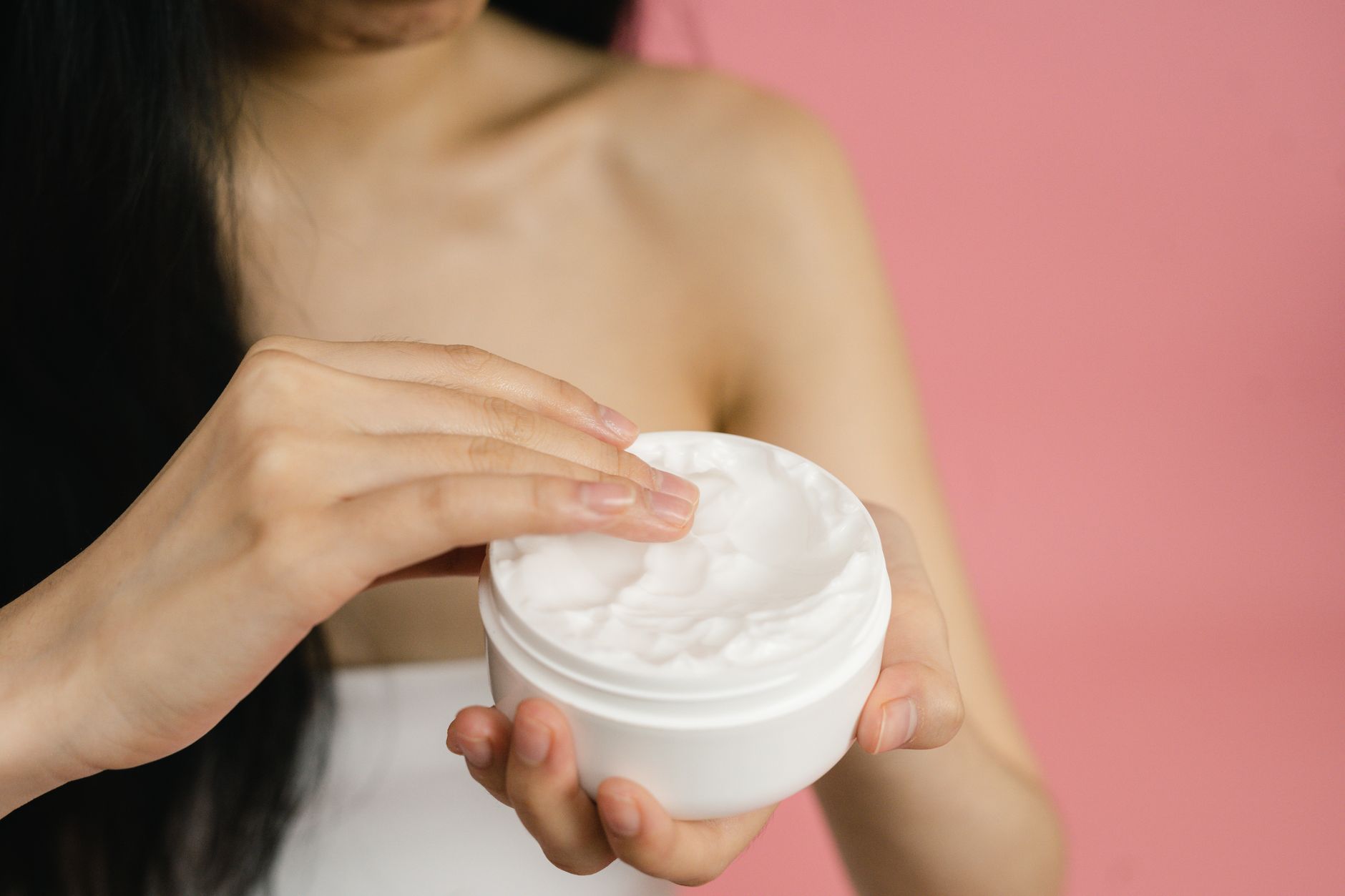
If you like using a serum, smooth it over slightly damp skin first. Follow with a richer cream containing glycerin, dimethicone, shea butter, mineral oil or petrolatum. Creams and ointments generally protect against moisture loss better than lightweight lotions. If your cheeks are already feeling tight by lunchtime, your current moisturizer may simply be too light.
You don't need an expensive collection to get started. One good everyday moisturizer is enough at first. Look for fragrance-free on the label rather than unscented, because unscented products can still contain ingredients that mask smells. Give each new product time to settle in, and introduce just one new formula at a time so you can spot irritation before adding anything else.
Ingredients worth looking for
- Glycerin holds water.
- Hyaluronic acid adds hydration, especially when you apply it to slightly damp skin before your moisturizer.
- Does your skin feel rough around the cheeks? Shea butter can soften those dry patches.
- Petrolatum seals in moisture.
What goes in your morning routine?
Start with hydration, follow with moisturizer and finish with broad-spectrum SPF 30 or higher. Your skin gets moisture without that tight feeling, and sunscreen keeps daytime sun exposure in check.
There's no need to spend half your morning layering products before breakfast. Rinse with lukewarm water or reach for your gentle cleanser if your face needs it. If you use a hydrating serum, apply it next, then smooth moisturizer over your face and neck while your skin is still slightly damp.
Sunscreen goes last. Choose broad-spectrum SPF 30 or higher, preferably with a creamy or lotion texture if your skin feels dry. Some formulas leave a powdery finish that can make dry patches more noticeable. Water-resistant sunscreen is handy when you're swimming or sweating. Cover your face, neck and other exposed areas with enough product, then reapply as directed on the label, especially after swimming or sweating.
A gray morning isn't a reason to skip sunscreen. Add shade, a hat or protective clothing when you're outdoors. If your sunscreen stings, try another fragrance-free formula instead of giving up on sun protection altogether.
Your morning order
- Rinse with lukewarm water.
- If you're using a serum, smooth it over damp skin before reaching for your face cream.
- Moisturize your face and neck.
- Finish with broad-spectrum SPF 30 or higher.
What should you do at night?
Wash off your sunscreen and makeup, then finish with moisturizer. If your face feels tight when you get into bed, a richer cream or a little extra moisture on dry patches can make a difference.
Your evening cleanse needs to get rid of sunscreen, makeup and the day's buildup. If you've worn heavier makeup or water-resistant sunscreen, start with a suitable makeup remover and follow with your regular gentle cleanser. Don't scrub your cheeks trying to remove every last trace. For most everyday cleansing, gentle fingertips and lukewarm water do the job.
While your face is still slightly damp, apply your hydrating serum if you use one, then follow with moisturizer. Those dry patches around your nose, mouth or cheeks may need extra attention. A small amount of petrolatum-based ointment over your moisturizer can help seal in moisture there. There's no need to cover your whole face if that feels too heavy.
Put strong exfoliants, retinoids and fragranced products aside while your skin is unusually dry or irritated. You can think about adding other products once your basic routine feels comfortable. Still getting dry patches, or dealing with persistent burning, itching or redness? Speak with a qualified dermatologist instead of trying to fix everything by adding more products.
Keep your evening routine simple
- Remove sunscreen and makeup gently.
- Does your face feel tight after washing? Keep your cleanser gentle and skip the scrubbing.
- Smooth serum over slightly damp skin.
- Finish with a richer moisturizer.
People also ask
Skincare FAQ
How many times should you moisturize dry skin?
Twice a day is a good starting point, once in the morning and again before bed. If your cheeks feel tight after washing, add another layer rather than waiting for your next scheduled application.
Can you use hyaluronic acid on dry skin?
Yes, and slightly damp skin is the best time to apply it. Follow with moisturizer instead of leaving the serum as your only hydrating step, particularly if your face feels tight or flaky.
How long does a skincare routine take to help dry skin?
You may feel softer skin soon after applying moisturizer, but stubborn dryness takes longer to settle. If your skin keeps itching, burning, cracking or becoming irritated, ask a qualified dermatologist for advice.