Quick answer
Choosing a perfume that truly suits you involves exploring different scent families, understanding how fragrances evolve on your skin, and considering the occasions for wear. It is a personal journey of discovery, focusing on what evokes positive feelings and complements your unique essence and lifestyle.
Start with Scent Families to Define Your Preference
Scent families are the foundational categories that help you understand and categorize different perfumes. Familiarizing yourself with these groups can quickly narrow down your preferences and guide your initial exploration.
Before diving into specific bottles, consider which scent families generally appeal to you. Do you gravitate towards light and airy notes, or do you prefer something deep and musky? Understanding these broad categories, as outlined in the table above, provides a helpful starting point.
For instance, if you enjoy garden aromas, floral scents might be your ideal match. If you prefer crisp, energetic smells, citrus or fresh categories could be more suitable. This initial self-reflection helps streamline the selection process, making your search more focused and less overwhelming.
Test Scents on Your Skin for a True Impression
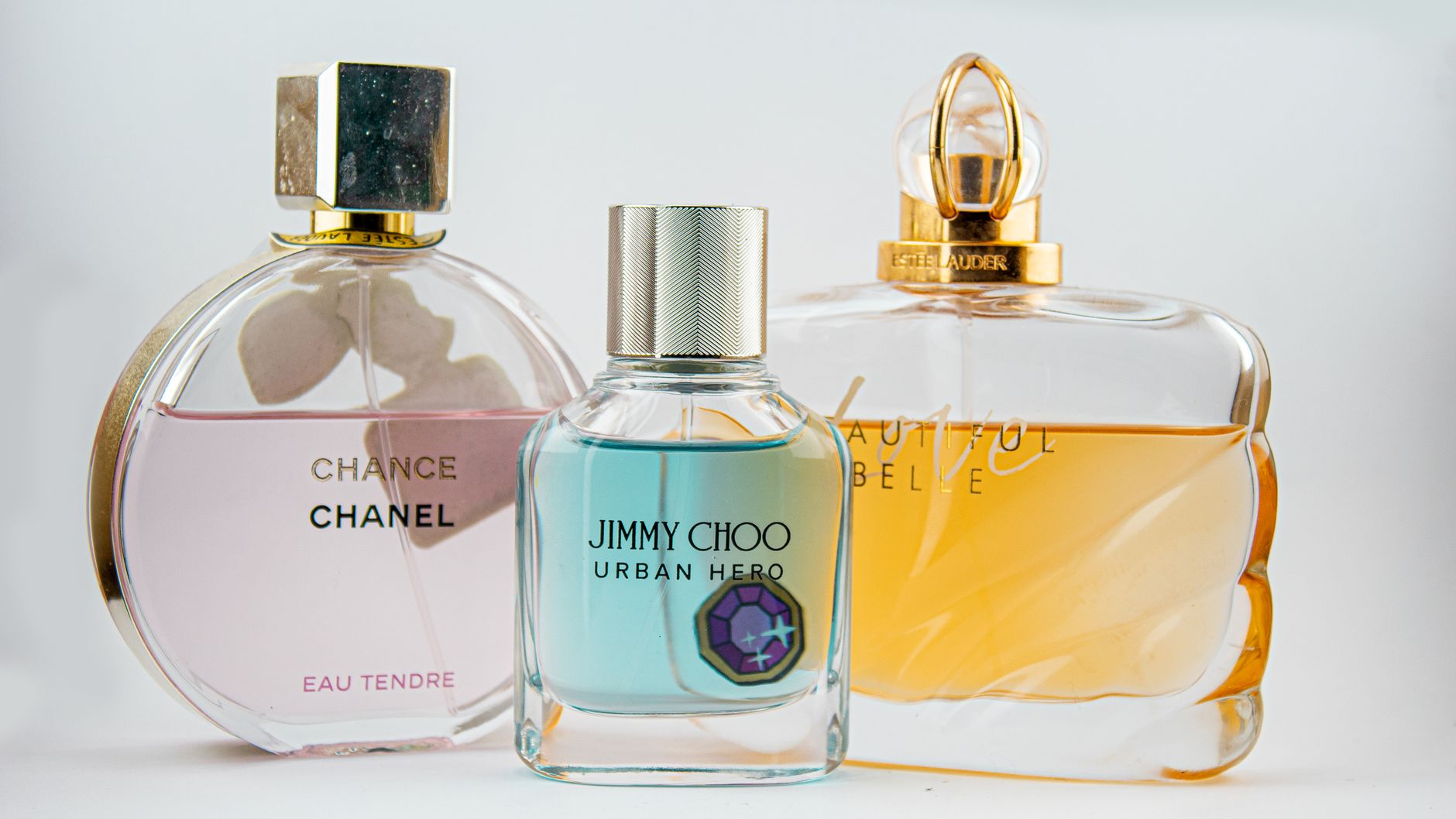
A perfume's aroma can change significantly once it interacts with your unique body chemistry. Always test a fragrance on your pulse points and allow it to develop over several hours for an accurate assessment.
Perfumes are complex compositions with top, middle, and base notes that unfold over time. The top notes are what you smell immediately, but they fade quickly. The middle notes emerge next, forming the heart of the fragrance, followed by the base notes, which linger for hours.
To truly know a scent, apply a small amount to a pulse point like your wrist or inner elbow. Avoid rubbing your wrists together, as this can break down the fragrance molecules. Allow the perfume to sit for at least an hour, or even a full day, to experience its full evolution on your skin. Remember, if you experience any persistent irritation or allergic reaction, discontinue use and consult a qualified professional.
Match Your Scent to Occasion, Longevity, and Personal Style
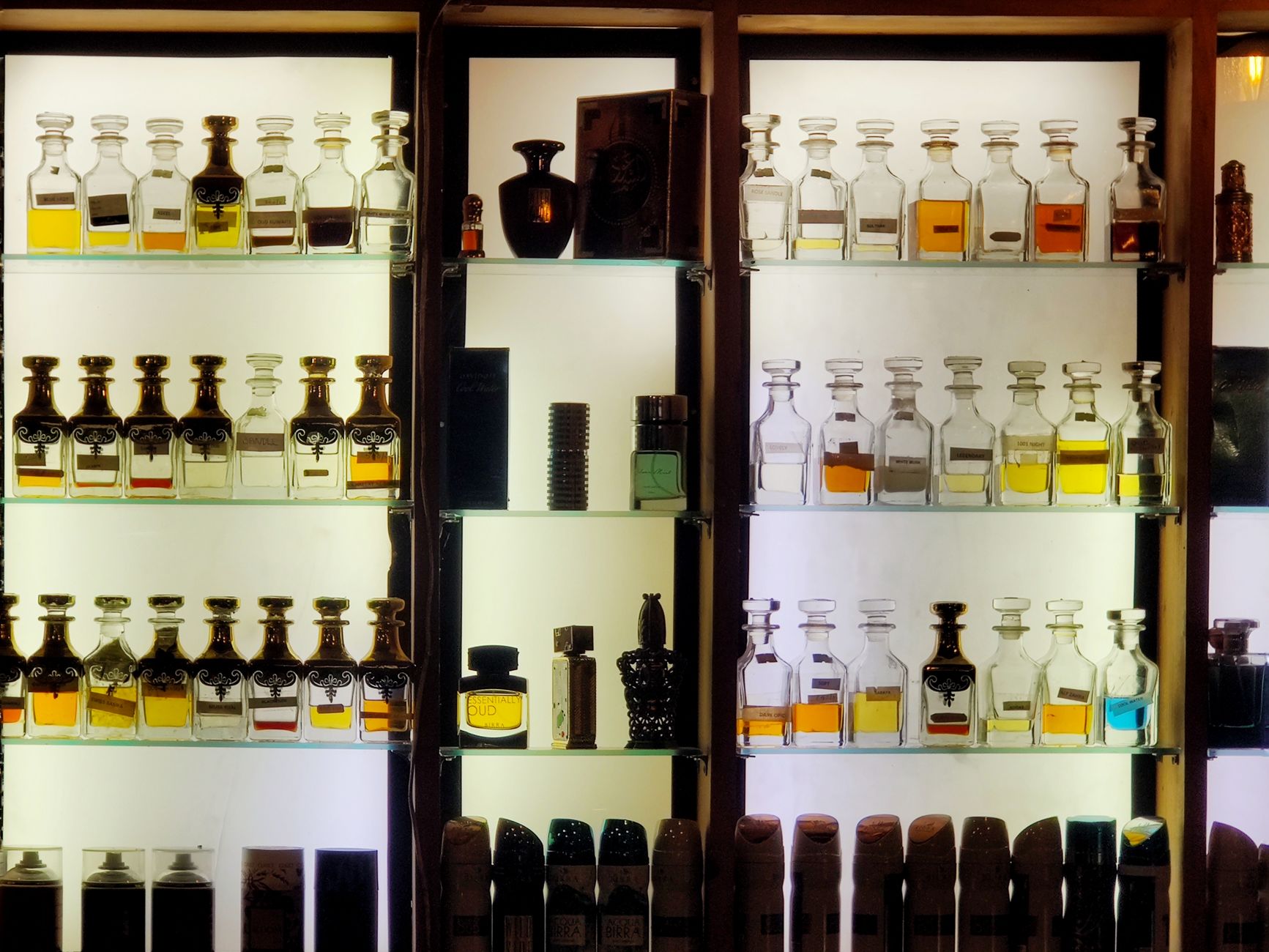
The ideal perfume complements not only your personal taste but also the context in which you wear it, including the occasion and how long you need the scent to last. Your fragrance should feel like an extension of your overall style.
Consider the settings where you plan to wear your perfume. Lighter, fresher scents are often preferred for daytime, professional environments, or warmer weather, while richer, more intense fragrances might be better suited for evening events or cooler seasons. Your personal style also plays a role; a minimalist might prefer a subtle, clean scent, while someone with a bold aesthetic might opt for a more distinctive, powerful fragrance.
Additionally, pay attention to the concentration of the perfume. Eau de Toilette (EDT) typically lasts a few hours, while Eau de Parfum (EDP) offers greater longevity, lasting for several hours. Pure perfume (Parfum) has the highest concentration and longest wear. Choosing the right concentration ensures your scent performs as desired throughout the day or evening.
Understanding Common Perfume Scent Families
| Scent Family | Characteristics | Common Notes |
|---|---|---|
| Floral | Sweet, romantic, often powdery | Rose, jasmine, lily of the valley, tuberose |
| Citrus | Zesty, fresh, uplifting, bright | Lemon, bergamot, orange, grapefruit |
| Woody | Earthy, warm, deep, grounding | Sandalwood, cedar, vetiver, patchouli |
| Oriental | Spicy, rich, exotic, warm, sensual | Vanilla, amber, musk, cinnamon, frankincense |
| Fresh/Aquatic | Clean, airy, light, often marine or green | Ocean breeze, green tea, cucumber, fresh cut grass |
People also ask
Fragrance FAQ
How many perfumes should I try at once to avoid nose fatigue?
To avoid olfactory fatigue and accurately assess each scent, it is generally best to test no more than three perfumes at a time. Apply each to a different pulse point and take short breaks between sniffing to clear your senses.
What is the difference between Eau de Toilette (EDT) and Eau de Parfum (EDP)?
The primary difference lies in the concentration of fragrance oils. Eau de Parfum (EDP) contains a higher concentration (15-20%) and typically offers longer lasting power, while Eau de Toilette (EDT) has 5-15% fragrance oils and a lighter, shorter-lived scent.
How can I make my chosen perfume last longer on my skin?
To enhance perfume longevity, apply it to well-moisturized skin immediately after showering. Focus on pulse points like wrists, neck, and behind the ears. Avoid rubbing your wrists together, as this can dissipate the scent faster.