Quick answer
Top, middle, and base notes are the reason your perfume can smell different by lunchtime. Top notes hit first, middle notes take over as the heart, and base notes stick around long after the fresh opening fades. That first spray isn't the whole story.
What are the three perfume notes?
They're the three stages you'll notice as perfume develops on your skin. The opening fades, the heart comes forward, and deeper scents stay behind.
Spray perfume before heading out in the morning. That first burst hits your nose straight away. Wait a little, and something different starts coming through. By lunchtime, the fresh opening might be gone, leaving a warmer scent on your skin.
That's what fragrance notes describe. Top notes open the perfume, middle notes form its heart, and base notes give it that lingering finish. They're all mixed into one bottle, not sitting in three separate layers.
These stages don't switch over like a light. You might still catch a little citrus when the heart notes appear. Ingredients overlap, and one scent can change how another smells.

How do the three stages differ?
- Top notes hit first.
- Middle notes take over as the main character of the fragrance.
- Base notes? They're what you keep smelling hours after that first spray.
What does each note smell like?
Top notes usually smell fresh, middle notes bring more body, and base notes add warmth. The ingredients make all the difference.
Top notes are the first scents you notice after spraying perfume. Think citrus, lemon, orange, berries, lavender, or sage. They often smell bright, fresh, or a little sharp. Many fade within 5 to 30 minutes, though the formula affects how long they last.
Middle notes are also called heart notes. You might smell rose, jasmine, geranium, cinnamon, nutmeg, or lavender here. They start coming through as the opening settles, often around 20 to 60 minutes after application. This is where the perfume's main personality becomes clearer, and these scents can stay noticeable for 2 to 4 hours.
Base notes are the deeper scents you notice during the dry-down. Vanilla, sandalwood, cedarwood, amber, patchouli, oakmoss, and musk are common examples. They tend to feel richer and warmer than the opening. Some remain noticeable for many hours, depending on the perfume.
A floral scent doesn't automatically belong in the middle, and a woody scent doesn't always belong at the base. Lavender, for instance, can appear in different stages. It's the perfumer's blend that determines where each ingredient fits.

Which fragrance notes should you recognize?
- Fresh citrus? Think lemon or bergamot in the opening.
- Rose and jasmine often show up once the heart of the fragrance starts coming through.
- Vanilla or amber? Expect a warmer finish as the perfume dries down.
- If you enjoy woody scents, try cedarwood or sandalwood for extra depth.
How do you read perfume notes?
Treat the listed notes as hints about how a perfume might smell from the first spray to the dry-down. The real test is wearing it for several hours.
Say a perfume description lists bergamot and lemon as top notes, rose and jasmine as middle notes, and vanilla and sandalwood as base notes. You've already got a rough idea of how the scent might unfold.
That first spray should smell bright and citrusy. Around 30 to 60 minutes later, rose and jasmine may become easier to notice. A few hours after that, vanilla and sandalwood may leave a softer, warmer scent on your skin.
Don't treat the fragrance description as a promise. You might not pick out every listed ingredient when you smell the perfume. Some blends are so smooth that you notice one overall scent rather than separate notes.
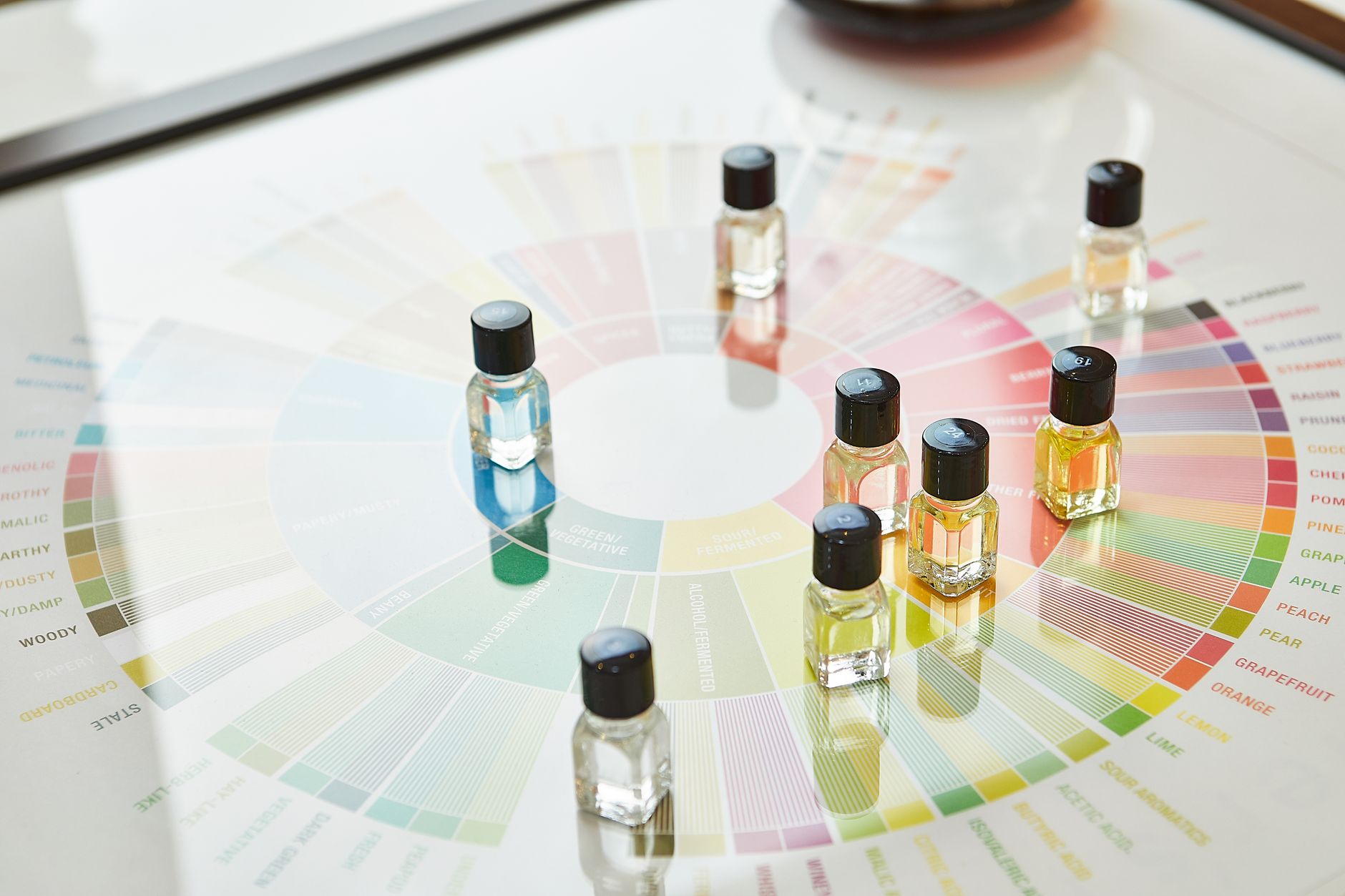
Thinking about buying a bottle? Test it first. Spray a little on a blotter, then try it on your skin if you like the opening. Smell it again after 15 minutes, around an hour, and a few hours later. Stick to no more than two perfumes at once, one on each wrist, so you can tell them apart. And don't rub your wrists together after spraying.
Your skin, the perfume formula, and even the temperature can change how a fragrance smells. If perfume causes persistent irritation, an allergic reaction, or aggravates an existing skin condition, stop using it and speak with a qualified healthcare professional or dermatologist.
How can you test a perfume?
- One spray on a clean blotter.
- Give it 15 minutes before deciding what the opening smells like.
- After an hour, smell it on your skin again.
- If you're still curious, check the dry-down several hours later.
People also ask
Fragrance FAQ
Do all perfumes have top, middle, and base notes?
Not always in three obvious stages. Some perfumes blend their notes so smoothly that you won't notice a clear change from the opening to the dry-down.
Are base notes what make perfume last longer?
They contribute to the lasting scent, but they're not the whole reason. Fragrance ingredients, concentration, and the finished formula all affect how long you'll smell a perfume.
Can the same perfume smell different on two people?
Yes, skin chemistry and skin condition can change how a fragrance comes across. Try the same perfume on your own wrist rather than relying only on how it smells on a paper blotter.