Quick answer
The best way to blow dry hair without damage involves proper preparation, using a heat protectant, and applying the correct technique. Start with damp, towel-dried hair, section it, and use a nozzle, moving the dryer constantly on a medium heat setting. Finish with a cool shot for shine and set the style, ensuring hair is completely dry.
Understanding Heat Damage and Smart Prep
Heat damage from blow drying often results from excessive heat, incorrect technique, or lack of protection, leading to dryness, breakage, and dullness. Proper preparation, including towel drying and applying heat protectant, is crucial to minimize this risk.
Blow drying is a popular way to style hair, but without the right approach, it can lead to significant damage. High heat strips hair of its natural moisture, weakening the strands and making them prone to breakage, frizz, and dullness. Understanding how to mitigate these risks is the first step towards achieving a healthy, salon-quality finish at home.
Before you even plug in your blow dryer, proper preparation is key. Start by gently towel-drying your hair to remove excess water. This reduces the amount of time heat needs to be applied. Avoid vigorous rubbing, which can cause friction and damage. Next, apply a high-quality heat protectant spray or cream evenly through your damp hair. This creates a barrier that shields your strands from direct heat and helps to maintain moisture.

Your Pre-Blow Dry Checklist
- Gently towel-dry hair to remove excess water
- Detangle hair using a wide-tooth comb or detangling brush
- Apply a heat protectant product from roots to ends
- Section hair for easier and more even drying
The Healthy Blow Dry Technique
To blow dry hair healthily, use a nozzle attachment, direct airflow downwards, and keep the dryer moving constantly on a medium heat setting. Work in small sections, focusing on drying the roots first before moving to the ends, ensuring even heat distribution.
Mastering the actual blow-drying process involves technique and patience. Always attach the concentrator nozzle to your blow dryer. This crucial accessory directs the airflow precisely, preventing random blasts of heat that can cause frizz and uneven drying. Begin by rough-drying your hair on a low or medium setting until it is about 60-70% dry. This initial step helps to remove most of the moisture without over-exposing your hair to direct heat.
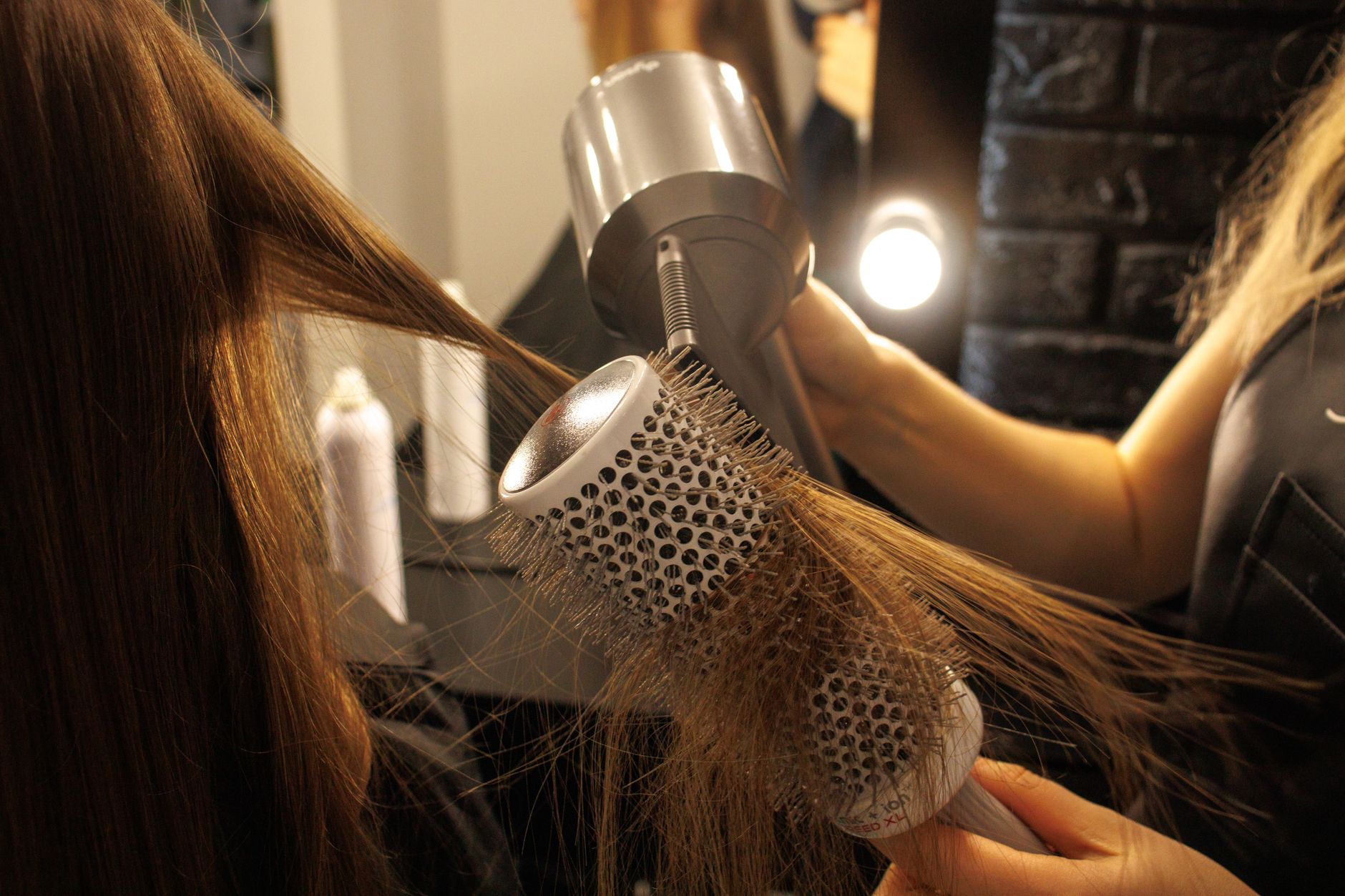
Now, divide your hair into manageable sections. Using clips, separate the top and sides, leaving the bottom section free. Take a small section of hair and, using a round or paddle brush, gently pull the hair taut. Direct the airflow from the roots down to the ends, following the brush. Keep the dryer moving constantly; never hold it stationary on one spot. This prevents overheating and ensures even drying. Repeat this process, working your way up through each section of your hair until it is com
Step-by-Step for Damage-Free Drying
- Attach the concentrator nozzle to your blow dryer.
- Rough dry hair on low/medium heat until 60-70% dry.
- Section hair using clips for easier management.
- Work in small sections, guiding the dryer from roots to ends.
- Keep the blow dryer moving constantly to avoid heat concentration.
- Use a round or paddle brush to smooth each section as you dry.
- Ensure each section is fully dry before moving on.
Finishing Touches and Aftercare for Lasting Shine
After blow drying, use a cool shot to seal the cuticle and add shine, then apply a lightweight finishing product to control frizz and enhance smoothness. Regular hair masks and minimizing daily heat exposure are vital for long-term hair health.
Once your hair is completely dry, don't skip the cool shot button on your blow dryer. A blast of cool air helps to seal the hair cuticle, locking in shine and setting your style. This step also helps to reduce frizz and ensure your hair stays smooth for longer. After the cool shot, gently run your fingers through your hair or use a soft brush to break up any stiffness and add natural movement.
To complete your healthy blow dry, apply a small amount of a lightweight serum or hair oil to your mid-lengths and ends. This adds extra shine, controls any remaining frizz, and provides a final layer of protection. Remember, consistent hair care is key. For persistent hair issues or concerns about damage, consulting with a qualified hair professional can provide personalized advice and treatment options.
Post-Drying Essentials
- Use the cool shot function to set the style and add shine.
- Apply a lightweight serum or oil to mid-lengths and ends.
- Avoid over-brushing after drying to prevent static.
- Clean your blow dryer filter regularly for optimal performance.
Blow Dryer Heat Settings Guide
| Heat Setting | Hair Type | Benefit |
|---|---|---|
| Cool | All Hair Types | Sets style, adds shine, reduces frizz |
| Low | Fine, Damaged, or Delicate Hair | Gentle drying, minimal heat exposure |
| Medium | Normal, Wavy, or Coarse Hair | Efficient drying with controlled heat |
| High | Thick, Coarse, or Very Wet Hair | Faster drying, use with caution and protectant |
People also ask
Hair FAQ
How often can I blow dry my hair without damage?
It is generally recommended to limit blow drying to 2-3 times a week to minimize heat exposure. Always use a heat protectant and the correct technique to reduce potential damage.
What temperature setting is best for blow drying?
A medium heat setting is ideal for most hair types. Fine or damaged hair benefits from a low setting, while thick hair may require medium to high, always used with caution and constant movement.
Can I blow dry my hair if it is soaking wet?
No, it is best to gently towel-dry your hair until it is damp, not soaking wet, before blow drying. This reduces drying time and minimizes prolonged heat exposure, which can cause damage.