Quick answer
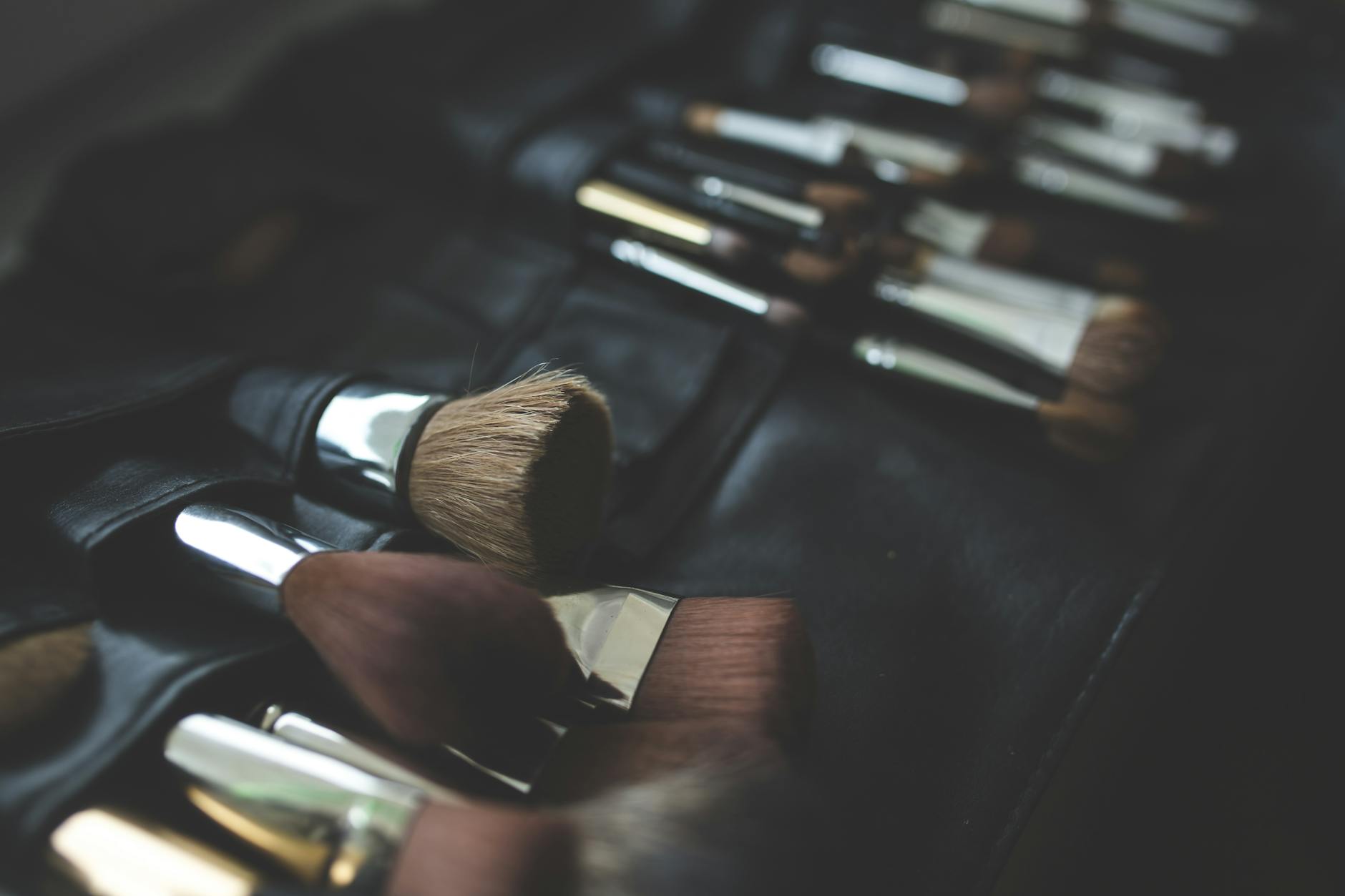
Essential makeup brush types include foundation brushes for smooth base application, concealer brushes for targeted coverage, powder brushes for setting, eyeshadow brushes for blending and detailing, and blush/bronzer brushes for adding color and dimension. Each brush type is designed with specific bristle shapes and densities to optimally apply different product formulas and achieve desired effects.
Building Your Base: Foundation, Concealer, and Powder Brushes
The right brushes for your base products are crucial for achieving a smooth, even complexion. They help to blend products seamlessly into the skin, preventing streaks or patchiness.
Starting with a well-applied base sets the stage for the rest of your makeup look. For foundation, a flat top brush with dense synthetic bristles can buff liquid or cream formulas into the skin for a full coverage, airbrushed finish. Alternatively, a stippling brush, with its duo-fibers, offers a lighter, more diffused application, ideal for a natural skin-like appearance. Ensure you work the product into the skin in small, circular motions for the best results.
Concealer brushes are typically smaller and more precise, designed to target specific areas like under-eye circles or blemishes. A flat, tapered concealer brush allows for controlled placement and blending, ensuring the product melts into your foundation without creasing. After applying your liquid or cream base, a large, fluffy powder brush is perfect for lightly dusting setting powder over your face, locking everything in place and reducing shine. Remember to tap off any excess powder from you

Eye-Catching Details: Brushes for Eyes and Brows
Specialized brushes for your eyes and brows allow for intricate detailing and seamless blending, bringing definition and expression to your features. They are essential for creating everything from a subtle everyday look to a dramatic evening statement.
The world of eye makeup brushes is vast, but a few key types can cover most needs. For applying eyeshadow to your lids, a flat shader brush with dense bristles is excellent for packing on color with intensity. To soften any harsh edges and blend shades together, a fluffy blending brush with a tapered dome shape is indispensable. Use gentle, circular motions in the crease to diffuse color and create a seamless gradient.
For eyeliner, an angled brush with stiff, fine bristles provides precision for creating sharp wings or defining the lash line with gel or cream formulas. This same angled brush can also be used for filling in eyebrows with powder or pomade, offering control for hair-like strokes. A spoolie brush, often found on the other end of an eyebrow pencil, is perfect for grooming brow hairs into place and blending out any harsh lines after product application, ensuring a natural finish.

Finishing Touches: Blush, Bronzer, and Highlighter Brushes
These brushes are designed to add dimension, warmth, and a healthy glow to your complexion after your base is complete. Using the correct brush ensures a natural, well-blended finish that enhances your facial structure.
To bring life and color back to your face, a blush brush is essential. These brushes often have soft, rounded, or slightly angled bristles that fit the contours of your cheeks perfectly. Apply blush to the apples of your cheeks and blend upwards towards your temples for a natural flush. For bronzer, a larger, fluffier brush is ideal for diffusing the product evenly across areas where the sun would naturally hit, like your forehead, cheekbones, and jawline, adding warmth and a subtle sculpted eff
Highlighter brushes come in various shapes, from small fan brushes to tapered, fluffy brushes. A fan brush offers a very light, diffused application for a subtle glow, while a tapered brush allows for more precise placement on the high points of your face, such as the cheekbones, brow bone, and cupid's bow. Remember that the goal with these finishing touches is to blend thoroughly, ensuring there are no harsh lines and all products seamlessly transition into each other for a polished look. If yo
Essential Makeup Brushes and Their Primary Uses
| Brush Type | Key Feature | Best Use | Product Compatibility |
|---|---|---|---|
| Foundation Brush (Flat Top/Stippling) | Dense, flat or duo-fiber bristles | Smooth, even foundation application | Liquid, cream, stick foundation |
| Concealer Brush | Small, flat or tapered bristles | Precise spot concealing | Liquid, cream concealer |
| Powder Brush | Large, fluffy, soft bristles | Setting makeup, light powder application | Loose, pressed powder |
| Eyeshadow Shader Brush | Flat, dense bristles | Packing color onto eyelids | Powder, cream eyeshadow |
| Eyeshadow Blending Brush | Fluffy, tapered bristles | Softening harsh lines, diffusing color | Powder eyeshadow |
| Angled Eyeliner Brush | Thin, stiff, angled bristles | Creating precise lines, filling brows | Gel, cream liner, brow pomade |
| Blush Brush | Soft, rounded or angled bristles | Applying blush to cheeks | Powder, cream blush |
| Bronzer/Contour Brush | Large, fluffy, often angled | Sculpting, adding warmth to face | Powder bronzer, contour powder |
People also ask
Makeup FAQ
How often should I clean my makeup brushes?
It is recommended to clean your makeup brushes at least once a week to prevent product buildup, bacteria growth, and skin irritation. Regularly cleaned brushes also perform better and last longer.
Can I use one brush for multiple makeup products?
While it is possible to use one brush for similar products in a pinch, it is generally best to use dedicated brushes for different products. This prevents color mixing, maintains hygiene, and ensures optimal product application and blendability.
What is the difference between synthetic and natural bristle brushes?
Synthetic brushes are typically made from nylon or other man-made fibers and are ideal for liquid and cream products as they do not absorb product. Natural bristle brushes, made from animal hair, are excellent for powder products as they pick up and distribute powders beautifully.