Quick answer
To start using retinol for visible results, begin with a low concentration product 2-3 times a week. Apply a pea-sized amount to dry skin after cleansing, then follow with moisturizer. Gradually increase frequency as your skin adjusts to minimize potential irritation and support skin health.
What is Retinol and Why Consider It?
Retinol is a derivative of Vitamin A known for its ability to encourage skin cell turnover. It can help improve the appearance of skin texture, tone, and the look of fine lines and wrinkles.
Retinol is a well-researched ingredient in skincare, belonging to the retinoid family. When applied to the skin, it works to promote cell renewal and support collagen production. This process can lead to a more even skin tone, a smoother surface, and a reduction in the visible signs of aging.
Many people incorporate retinol into their routine to address concerns like uneven texture, dullness, and the appearance of sun damage. It is a powerful ingredient, and while its benefits are widely recognized, understanding how to introduce it into your routine is key to a positive experience.
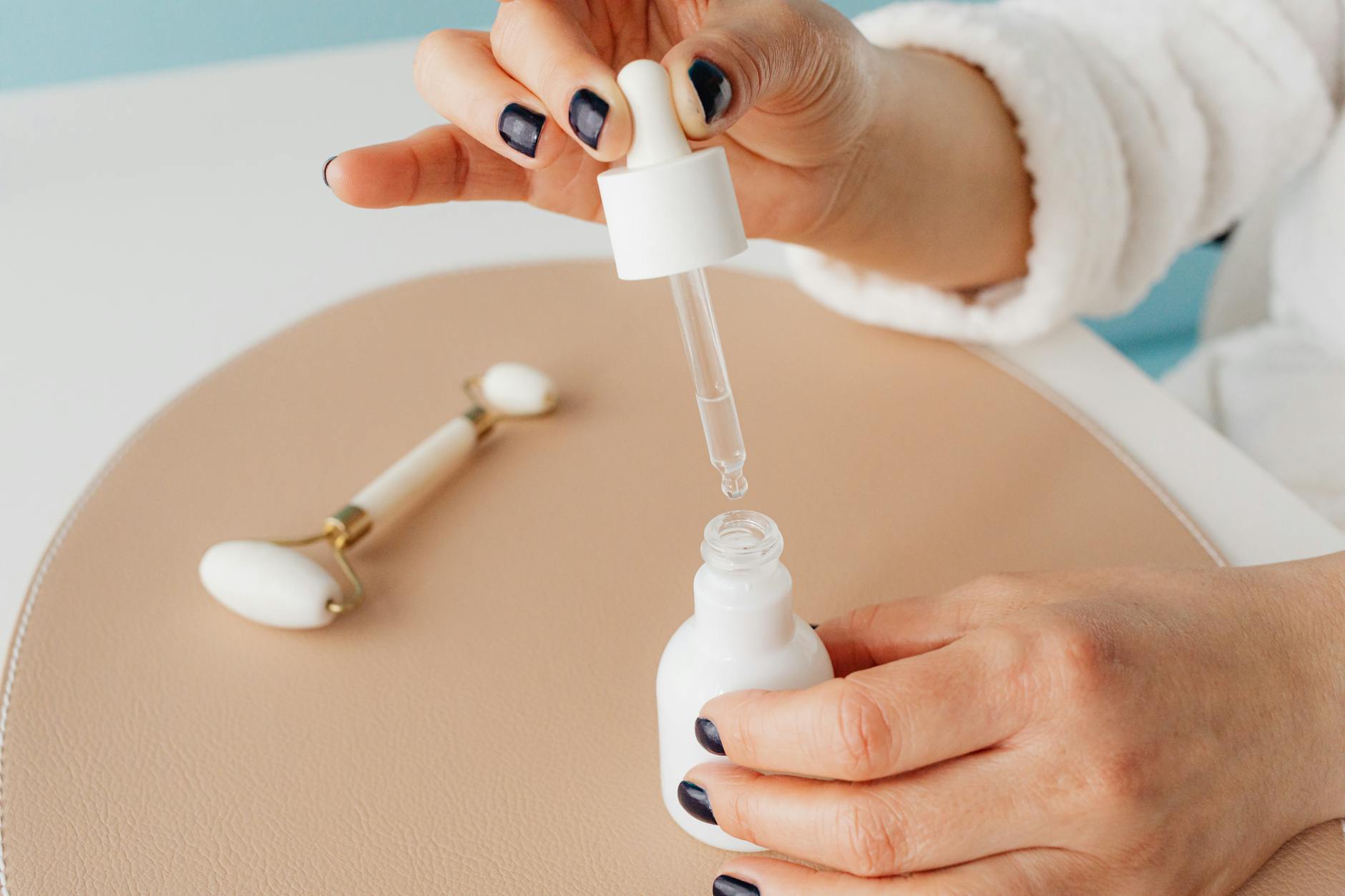
Your Gentle Introduction to Retinol
Starting your retinol journey gently involves choosing the right product, applying it correctly, and gradually increasing its use to help your skin adapt and minimize potential side effects.
Begin with a low-concentration retinol product, typically 0.1% to 0.25%, to allow your skin to adjust. A patch test on a small area of skin before full facial application is a good practice. When you're ready to apply, ensure your skin is clean and completely dry. A pea-sized amount is usually sufficient for your entire face.
Initially, use retinol only 2-3 nights a week. Some people find the 'sandwich method' helpful: apply a thin layer of moisturizer, then your retinol, and finish with another layer of moisturizer. This can help buffer the retinol and reduce potential irritation. Gradually increase the frequency as your skin builds tolerance, moving to every other night, then potentially every night, always observing how your skin responds.

Essential Tips for a Smooth Retinol Journey
To support your skin while using retinol, consistent daily sun protection, ample moisturization, and patience are crucial for a comfortable and effective experience.
Sunscreen is non-negotiable when using retinol, as it can increase skin's sensitivity to the sun. Apply a broad-spectrum SPF 30 or higher every morning, rain or shine. Hydration is also vital; use a rich, nourishing moisturizer to combat dryness and flakiness that can occur as your skin adjusts. Listen to your skin: if you experience excessive redness, peeling, or discomfort, reduce the frequency of application or pause use for a few days.
Patience is key; visible results from retinol often take several weeks or even months to appear. Do not expect immediate dramatic changes. If you experience persistent irritation, allergic reactions, or have underlying skin conditions, consult with a qualified dermatologist or healthcare professional for personalized advice and guidance.
Retinol Introduction Schedule
| Phase | Frequency | Concentration | Notes |
|---|---|---|---|
| Weeks 1-2 | 2 nights a week | 0.1% - 0.25% | Apply a pea-sized amount to dry skin. Follow with moisturizer. Observe skin response. |
| Weeks 3-4 | 3 nights a week | 0.25% - 0.5% | If skin tolerates, increase frequency. Continue with consistent moisturizing. |
| Weeks 5-6 | Every other night | 0.5% | Assess skin. If irritation is minimal, slowly increase frequency. Consider the 'sandwich method'. |
| After 6 Weeks | Every night (if tolerated) | 0.5% - 1% | Only if skin has fully adapted. Listen to your skin and adjust as needed. Consult a professional for higher strengths. |
People also ask
Skincare FAQ
How long does it take to see results from retinol?
Visible results from retinol can vary for each individual, but generally, it takes consistent use over 8-12 weeks to observe improvements in skin texture and tone. More significant changes may take longer.
Can I use retinol every night?
While some people can eventually use retinol every night, it is recommended to start with 2-3 times a week and gradually increase frequency as your skin builds tolerance. Listen to your skin's response.
What side effects should I expect and when should I be concerned?
Common initial side effects include mild dryness, redness, and flaking as your skin adjusts. If you experience severe burning, persistent redness, excessive peeling, or signs of an allergic reaction, stop use and consult a dermatologist.