Quick answer
To exfoliate your skin effectively for a healthy glow, understand your skin type and choose appropriate methods. Gentle physical exfoliation or mild chemical exfoliants can remove dead skin cells, promoting cell turnover and revealing brighter skin. Always follow with hydration and sun protection.
Understanding Exfoliation: Why It Matters for Your Skin
Exfoliation is the process of removing dead skin cells from the skin's surface. This process helps to uncover fresh, new cells, which can lead to a brighter and smoother complexion.
Our skin naturally sheds dead cells, but sometimes this process can slow down due to age, environmental factors, or specific skin conditions. When dead cells accumulate, they can make skin look dull, contribute to clogged pores, and reduce the effectiveness of skincare products.
Regular, appropriate exfoliation can support your skin's natural renewal cycle. It can help improve skin texture, promote a more even skin tone, and allow moisturizers and serums to penetrate more effectively. The goal is to assist your skin's natural processes, not to strip or irritate it.

Choosing Your Method: Physical, Chemical, and Natural Exfoliants
Exfoliation can be broadly categorized into physical and chemical methods, each offering distinct benefits depending on your skin type and concerns. Natural and product-free options also provide gentle ways to refresh your skin.
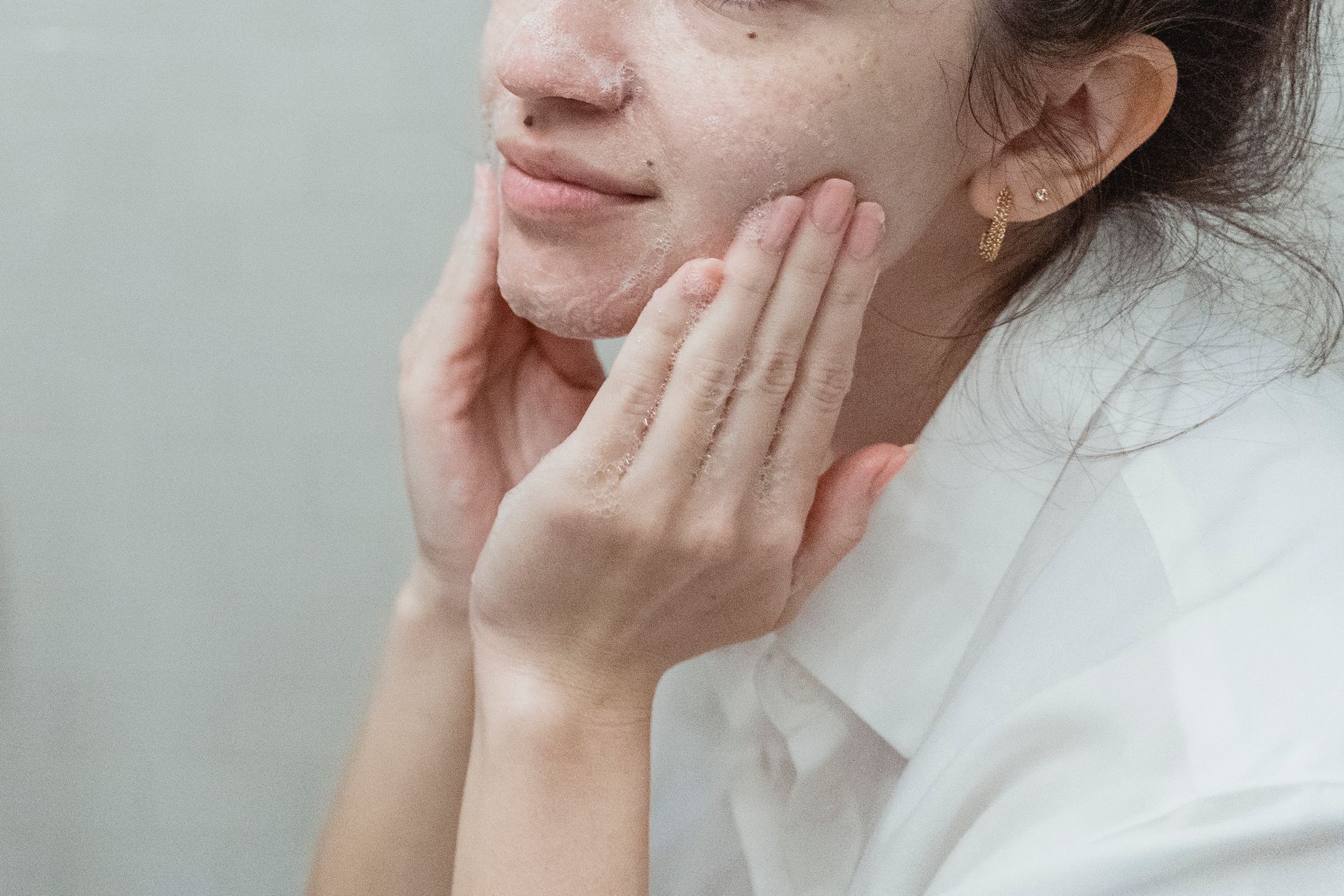
**Physical Exfoliation:** This involves manually removing dead skin cells. Common tools include gentle facial scrubs with fine particles, konjac sponges, or soft brushes. For the body, loofahs or body brushes can be effective. The key is to use light pressure and avoid harsh, abrasive ingredients that could cause micro-tears.
**Chemical Exfoliation:** These methods use acids or enzymes to dissolve the bonds between dead skin cells, allowing them to shed more easily. Alpha Hydroxy Acids (AHAs) like glycolic or lactic acid are good for surface exfoliation and improving skin texture, often suitable for dry or sun-damaged skin. Beta Hydroxy Acids (BHAs) like salicylic acid penetrate deeper into oil glands, making them beneficial for oily or acne-prone skin. Enzyme exfoliants, often derived from fruits, are typically gent
**Natural and Product-Free Methods:** A warm, damp washcloth can provide very gentle physical exfoliation for sensitive skin. You can also create simple DIY scrubs using ingredients like finely ground oats mixed with water or honey, which offer mild exfoliation and soothing properties. Always patch test any new method or ingredient before full application.
Effective Exfoliation for Face and Body: Techniques and Frequency
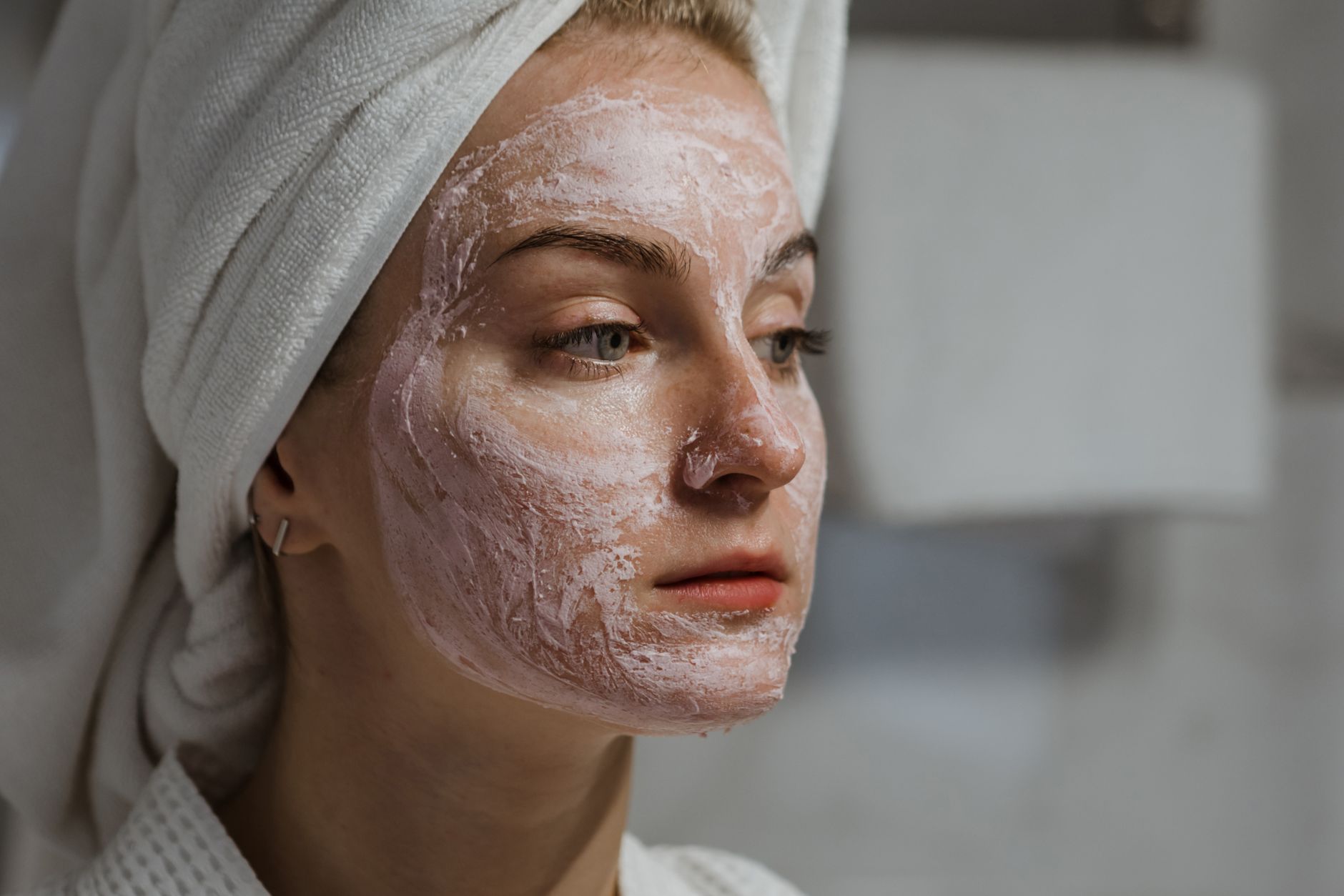
The best exfoliation technique and frequency vary significantly between your face and body, as well as according to your individual skin needs. Always prioritize gentleness and listen to your skin's response.
**For the Face:** Start by cleansing your face. If using a physical scrub, apply a small amount to damp skin and gently massage in small, circular motions for about 30 seconds, avoiding the eye area. Rinse thoroughly with lukewarm water. For chemical exfoliants, apply according to product instructions, usually after cleansing and before moisturizing. Begin with 1-2 times per week and adjust based on how your skin reacts. Over-exfoliation can lead to redness, dryness, and irritation.
**For the Body:** Body skin is generally thicker and can tolerate slightly more robust exfoliation. In the shower, apply a body scrub to damp skin, using a loofah or exfoliating mitt to massage in upward circular motions, focusing on areas like elbows, knees, and feet. Rinse well. For areas prone to ingrown hairs, like legs or bikini line, gentle exfoliation a day or two before shaving can be helpful. Aim for 1-3 times per week, depending on your skin's resilience.
After any exfoliation, always follow with a hydrating moisturizer to replenish moisture and support your skin barrier. Sun protection is crucial, especially after chemical exfoliation, as new skin cells can be more susceptible to sun damage. If you experience persistent irritation, redness, or discomfort, consult a qualified dermatologist or skincare professional. They can help identify underlying issues or recommend tailored solutions for your skin type and concerns.
Exfoliation Techniques at a Glance
| Technique Type | Common Methods | Best For | Frequency (General) |
|---|---|---|---|
| Physical Exfoliation | Scrubs, brushes, konjac sponges | Body, oily/resilient skin (gently) | 1-2 times per week |
| Chemical Exfoliation | AHAs (glycolic, lactic), BHAs (salicylic acid) | Face, sensitive skin, acne-prone skin | 1-3 times per week (start slow) |
| Enzyme Exfoliation | Fruit enzymes (papaya, pineapple) | Sensitive skin, dull skin | 1-2 times per week |
People also ask
Skincare FAQ
How often should I exfoliate my face?
Generally, exfoliating your face 1-3 times per week is a good starting point, depending on your skin type and the strength of the exfoliant. Sensitive skin may only need it once a week, while oilier skin might tolerate it more frequently. Always observe your skin's reaction.
Can I exfoliate every day?
Daily exfoliation is generally not recommended for most skin types, as it can lead to over-exfoliation, causing irritation, dryness, and a compromised skin barrier. Gentle daily cleansers with mild exfoliating properties might be an exception, but strong physical or chemical exfoliants should be used less frequently.
What should I do if my skin feels irritated after exfoliating?
If your skin feels irritated, red, or sensitive after exfoliating, stop using the product immediately. Focus on soothing and hydrating your skin with gentle, fragrance-free moisturizers. Avoid further exfoliation until your skin has fully recovered. If irritation persists, consider consulting a skincare professional.