Quick answer
Correctly applying blush enhances your complexion by adding a natural flush and defining your features. The best technique depends on your face shape, the blush formula you choose, and your desired effect. Understanding these elements helps you achieve a harmonious and radiant look tailored to your unique facial structure.
Choose Your Glow: Powder, Cream, or Stick Blush
Selecting the right blush formula is key to achieving your desired look, whether it is a soft matte finish or a dewy radiance. Each type requires a slightly different application technique to ensure seamless blending and natural-looking results.
Blush comes in various forms, each offering unique benefits and application methods. Powder blushes are classics, known for their ability to provide a soft, diffused color and help set your base makeup. They are often ideal for those with oily or combination skin, as they can absorb excess oil and offer a matte or satin finish. When using powder blush, a fluffy brush is your best friend for a light, even application.
Cream and stick blushes, on the other hand, deliver a more natural, dewy finish, making them excellent choices for dry or mature skin types. Cream blushes often come in pots or tubes and can be applied with fingertips, a sponge, or a dense synthetic brush. Stick blushes offer convenience and portability, allowing for direct application to the skin before blending. These formulas melt into the skin, creating a seamless, skin-like flush that looks less like makeup and more like a natural glow.
General Blush Application Steps
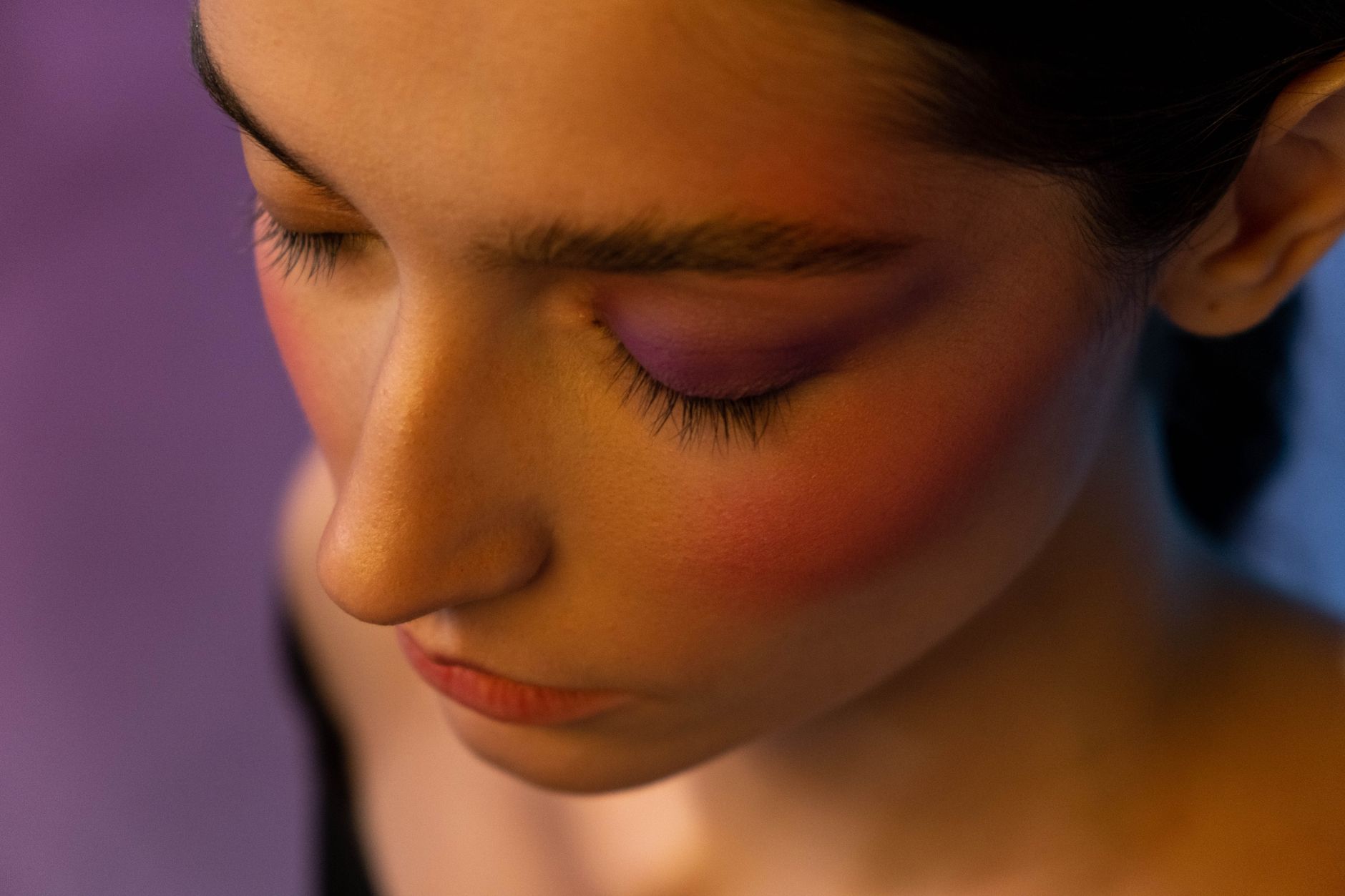
- Start with a small amount of product. It is easier to build color than to remove it.
- Apply blush to the apples of your cheeks for a youthful look, or higher on the cheekbones for a lifted effect.
- Blend thoroughly using gentle, circular, or tapping motions to avoid harsh lines.
- Check your application in natural light to ensure evenness and a natural finish.
Sculpt Your Features: Blush Application for Every Face Shape
Applying blush strategically can enhance your natural bone structure, creating balance and definition for various face shapes. Understanding where to place blush can highlight your best features and provide a harmonious overall appearance.
The way you apply blush can significantly alter the perception of your face shape. For round faces, the goal is often to create a more elongated appearance. Instead of applying blush directly to the apples of your cheeks, sweep it from the top of your ear down towards the corner of your mouth, stopping about two finger-widths from your nose. This technique creates a diagonal line that helps to define and lift the cheekbones. Avoid circular application on the apples, as this can make a round face
If you have an oval face, consider yourself lucky, as this shape is often considered balanced and versatile for makeup application. You can apply blush directly to the apples of your cheeks, blending upwards towards the temples. This classic placement enhances your natural contours and adds a healthy flush. Experiment with different placements to find what you feel looks most flattering, as oval faces can typically pull off a variety of blush styles. For other face shapes, the principles remain
Blush Placement by Face Shape
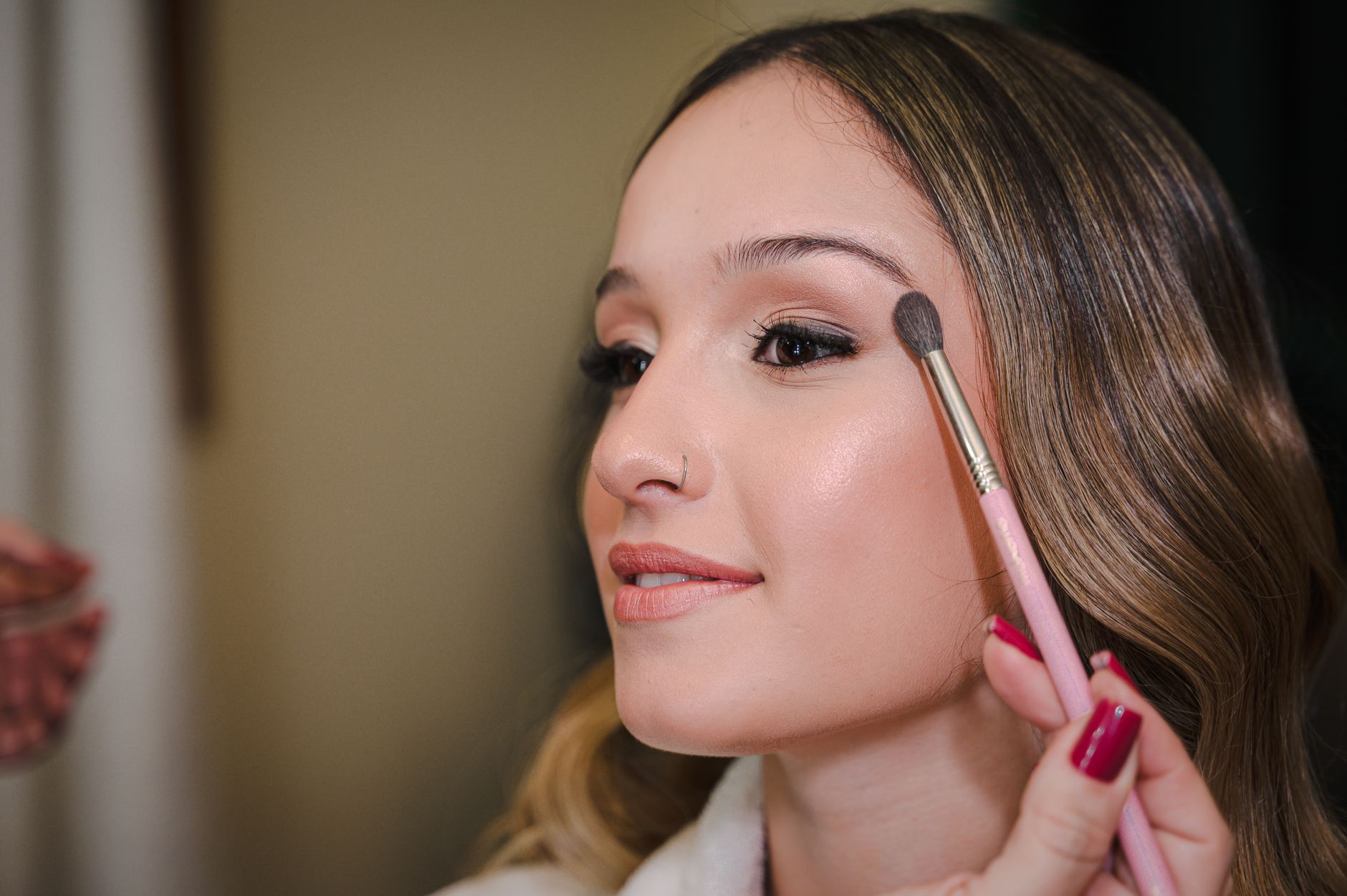
- Round Face: Apply diagonally from temple to just below the cheekbone, blending upwards and outwards.
- Oval Face: Sweep onto the apples of the cheeks and blend up towards the temples.
- Square Face: Apply just below the cheekbones, blending towards the temples to soften angles.
- Heart Face: Focus on the outer apples of the cheeks, blending towards the ears to balance.
Ageless Radiance: Blush Tips for Over 40 and Over 60
As skin matures, its texture and needs change, requiring adjustments in blush formula and application technique to maintain a fresh and youthful glow. Choosing hydrating formulas and strategic placement can help avoid emphasizing fine lines or dryness.
For those over 40, the focus shifts to formulas that do not settle into fine lines or emphasize dry patches. Powder blushes can sometimes appear chalky or accentuate texture, so cream and stick blushes often become preferred. These formulas offer a more dewy, skin-like finish that can make the skin appear more hydrated and youthful. When applying, avoid placing blush too low on the face, as this can drag features downwards. Instead, apply it higher on the cheekbones and blend upwards towards the
For women over 60, these considerations become even more important. Skin may be thinner and drier, making hydrating cream or liquid blushes excellent choices. Opt for softer, more natural shades that mimic a healthy flush rather than bold, highly pigmented colors. Rose, peach, or soft berry tones can be particularly flattering. Apply blush with a light hand, focusing on the upper part of the cheekbones and blending seamlessly into the skin. Avoid shimmer or glitter, which can highlight texture,
Mature Skin Blush Best Practices
- Prioritize cream, liquid, or stick blushes for a hydrating, dewy finish.
- Apply blush higher on the cheekbones to create a lifting effect.
- Choose soft, natural shades like rose, peach, or muted berry.
- Use a light hand and blend thoroughly to avoid harsh lines or over-application.
- Avoid excessive shimmer or glitter which can highlight fine lines.
Choosing the Right Blush Formula and Tool
| Blush Type | Best Tool | Application Tip | Ideal for |
|---|---|---|---|
| Powder | Fluffy blush brush | Apply in light, sweeping motions | Oily to combination skin, setting makeup |
| Cream | Fingertips or dense synthetic brush | Dab and blend gently into skin | Dry to normal skin, natural dewy finish |
| Stick | Direct application then blend | Draw small dots or lines, then blend with fingers/brush/sponge | All skin types, quick touch-ups |
People also ask
Makeup FAQ
Where exactly are the apples of the cheeks?
The apples of your cheeks are the fullest part that becomes prominent when you smile. This area is a common starting point for blush application, especially for a youthful, rounded look.
Can I use the same blush for contouring?
Blush is primarily for adding color and a healthy flush, while contouring uses cooler-toned shades to create shadows and define features. While some muted blushes might offer a subtle sculpting effect, it is generally best to use dedicated contour products for defined contouring.
How do I make my blush last longer throughout the day?
To extend blush wear, start with a well-prepped base (primer and foundation). Apply cream or liquid blush, then lightly set it with a matching powder blush. A setting spray can also help lock your makeup in place for prolonged wear.