Quick answer
Effectively caring for dry skin involves a multi-faceted approach focusing on gentle cleansing, consistent moisturizing with appropriate products, and protecting the skin barrier. It also requires understanding environmental factors and making lifestyle adjustments to support skin health and prevent moisture loss.
Understanding Dry Skin: Causes and Characteristics
Dry skin, or xerosis, occurs when the skin lacks sufficient moisture and natural oils, leading to a compromised skin barrier. Various internal and external factors, from genetics to environmental conditions, can contribute to its development.
Dry skin is a common condition characterized by a feeling of tightness, rough texture, flakiness, and sometimes itching or redness. It can affect any part of the body, from the face and hands to the legs and scalp. Understanding why your skin becomes dry is the first step toward effective care.
The skin's natural barrier is crucial for retaining moisture. When this barrier is weakened, water evaporates more easily, leading to dryness. Common causes include cold, dry weather, low humidity, excessive washing, hot showers, harsh soaps, certain medical conditions, and aging. Genetics can also play a role in how prone an individual is to dry skin.
Recognizing the characteristics of your dry skin, such as whether it's mild, moderate, or severe, and if it's accompanied by sensitivity or irritation, can help you choose the most appropriate care strategies. Persistent dryness, itching, or redness should prompt a consultation with a qualified professional.

Effective Hydration Strategies and Product Choices
Restoring moisture and repairing the skin's barrier are central to managing dry skin through strategic product selection and application. Focus on ingredients that attract, seal, and protect skin hydration.
Hydrating dry skin effectively involves a combination of products and habits. Start with gentle cleansing: opt for creamy, soap-free cleansers that do not strip the skin of its natural oils. Avoid harsh scrubbing or very hot water, which can further irritate dry skin.
After cleansing, apply a moisturizer while the skin is still damp to lock in moisture. Look for moisturizers containing humectants like hyaluronic acid or glycerin to draw water into the skin, emollients like ceramides or fatty acids to smooth and soften, and occlusives like petrolatum or shea butter to create a protective seal. For very dry areas, consider thicker ointments or balms.
Incorporating hydrating serums can provide an extra boost. Apply these before your moisturizer. Remember that consistency is key; regular, gentle care yields the best results. For persistent irritation or suspected allergies, consult a qualified professional.
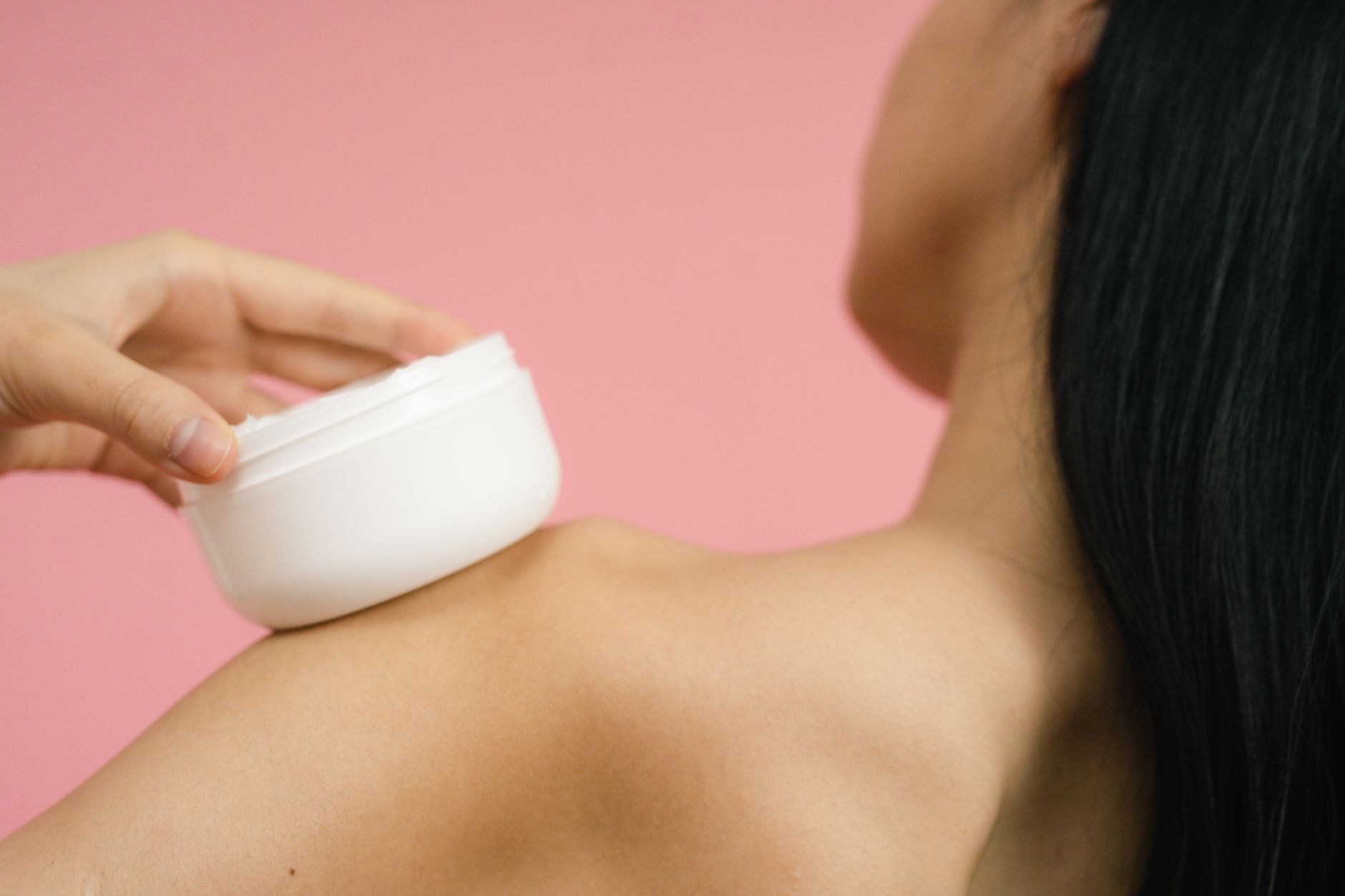
Key Product Ingredients for Dry Skin
- Humectants (e.g., Hyaluronic Acid, Glycerin)
- Emollients (e.g., Ceramides, Fatty Acids, Cholesterol)
- Occlusives (e.g., Petrolatum, Shea Butter, Dimethicone)
- Soothing Agents (e.g., Colloidal Oatmeal, Niacinamide)
Preventing Dry Skin and Maintaining Long-Term Comfort
Long-term comfort for dry skin relies on consistent preventative measures and lifestyle adjustments that support the skin's natural barrier. Environmental and daily habits significantly impact skin hydration.
Preventing dry skin involves more than just moisturizing; it's about creating an environment and routine that supports your skin's health. In cooler, drier months or climates, consider using a humidifier indoors to add moisture to the air. Protect your skin from harsh winds and cold temperatures by covering exposed areas.
Your daily habits play a significant role. Limit shower and bath times to 5-10 minutes and use lukewarm, not hot, water. Pat your skin dry gently rather than rubbing vigorously. Drink plenty of water to support overall hydration, though the direct impact on skin moisture is sometimes debated, it contributes to general well-being.
Choose fabrics that are gentle on your skin, like cotton, and use fragrance-free laundry detergents if you experience sensitivity. By consistently following these preventative strategies, you can reduce the frequency and severity of dry skin episodes, promoting lasting comfort and a healthier skin barrier. If you experience persistent or worsening skin conditions, consult a qualified professional.
Daily Dry Skin Care Routine Checklist
| Step | Action | Key Benefit |
|---|---|---|
| Gentle Cleansing | Use a mild, hydrating cleanser | Removes impurities without stripping natural oils |
| Hydration Boost | Apply a humectant serum (e.g., hyaluronic acid) | Draws moisture into the skin |
| Moisturize | Apply a rich emollient cream or ointment | Seals in moisture and strengthens barrier |
| Protect | Use broad-spectrum SPF 30+ daily | Shields skin from environmental damage |
| Lifestyle Support | Drink water, use humidifier, avoid hot showers | Supports overall skin health |
People also ask
Skincare FAQ
Can diet affect dry skin?
While direct links are complex, a balanced diet rich in omega-3 fatty acids and antioxidants can support overall skin health and its barrier function. Staying adequately hydrated by drinking water is also beneficial for general well-being.
How often should I moisturize dry skin?
For best results, moisturize at least twice daily, ideally immediately after showering or bathing when your skin is still damp. You may need to apply more frequently to particularly dry areas throughout the day.
Is it possible to over-moisturize dry skin?
Generally, it is difficult to over-moisturize dry skin, especially with appropriate products. However, using overly heavy or occlusive products on skin that doesn't need it might lead to clogged pores for some individuals. The key is finding the right balance for your skin type.