Quick answer
The best ways to exfoliate skin for a smoother complexion involve understanding your skin type and choosing appropriate methods, whether physical or chemical. Gentle application, suitable frequency, and selecting ingredients like AHAs or BHAs for chemical exfoliation, or fine-grained scrubs for physical, are key to revealing softer, more even skin.
Understanding Exfoliation: Physical vs. Chemical
Exfoliation is the process of removing dead skin cells from the surface of your skin, which helps reveal the fresh, new cells underneath. This process can be achieved through two primary methods: physical and chemical exfoliation.
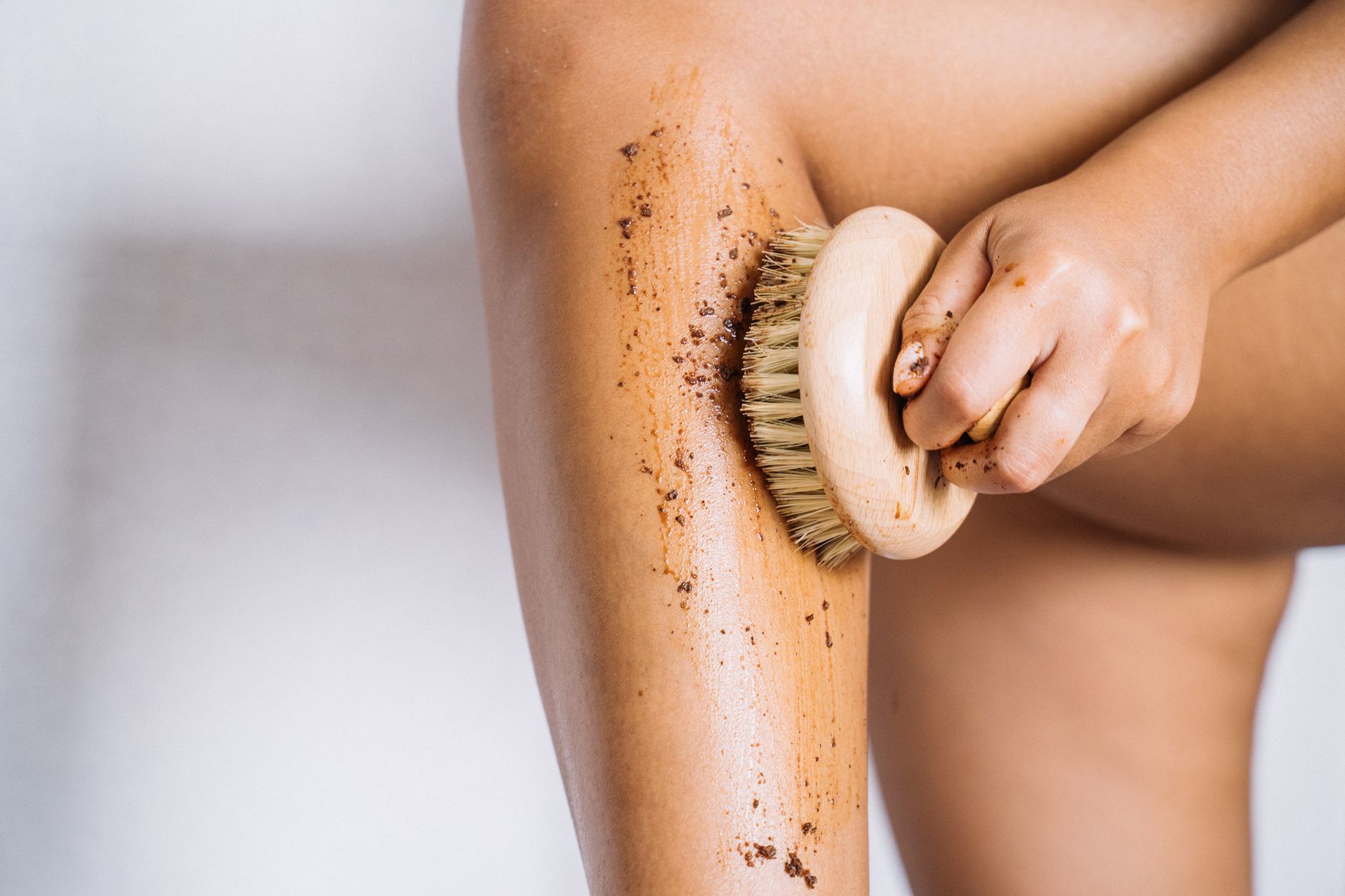
Physical exfoliation involves manually scrubbing or rubbing the skin with an abrasive material or tool. Common examples include facial scrubs with fine grains, konjac sponges, cleansing brushes, or loofahs for the body. The goal is to physically lift away dead skin cells, promoting a smoother feel and brighter appearance.
Chemical exfoliation uses acids or enzymes to dissolve the bonds holding dead skin cells to the surface. Alpha Hydroxy Acids (AHAs) like glycolic and lactic acid work on the skin's surface, while Beta Hydroxy Acids (BHAs) like salicylic acid penetrate deeper into pores. These methods offer a gentler approach for many, promoting cell turnover without manual scrubbing.
Choosing the Right Method for Your Skin Type and Body Area
Selecting the best exfoliation method depends largely on your specific skin type and the area you are treating. What works for one person's face might not be suitable for another's, or for body exfoliation.
For **oily or acne-prone skin**, BHAs are often recommended due to their ability to penetrate oil and clear pores, reducing breakouts. Gentle physical exfoliants can also be used sparingly. **Dry or sensitive skin** typically benefits from mild chemical exfoliants like lactic acid, which is hydrating, or very fine, non-abrasive physical options. Avoid harsh scrubs that can cause irritation.
**Normal or combination skin** can often tolerate a wider range of exfoliants. You might alternate between a gentle AHA and a mild physical scrub. For **body exfoliation**, which tends to be less sensitive than facial skin, you can use more robust physical scrubs, body brushes, or exfoliating gloves. Always use caution on delicate areas and observe how your skin responds.

Safe Exfoliation Practices: Frequency, Common Mistakes, and When to Seek Help
Safe and effective exfoliation requires careful consideration of how often you exfoliate and avoiding common pitfalls. Over-exfoliation can lead to irritation, redness, and damage to your skin's protective barrier.
Most skin types benefit from exfoliating 1-3 times a week, but this can vary based on your product's strength and your skin's sensitivity. Common mistakes include using too harsh a product, exfoliating too often, or combining multiple strong exfoliants at once. Signs of over-exfoliation include persistent redness, tightness, sensitivity, or a shiny, stretched appearance.
Always start with a lower frequency and gentler product, gradually increasing as your skin adapts. Listen to your skin and reduce frequency if you notice any adverse reactions. If you experience persistent irritation, redness, allergic reactions, or have underlying skin conditions like rosacea or eczema, consult with a qualified dermatologist or skincare professional. They can provide personalized advice and treatment plans tailored to your specific needs.
Exfoliation Methods: A Quick Comparison
| Method Type | How It Works | Best For | Key Considerations |
|---|---|---|---|
| Physical Exfoliation | Uses abrasive particles or tools to manually remove dead skin cells. | Oily, non-sensitive, body skin. Can be good for normal skin with gentle products. | Avoid harsh scrubs, apply light pressure, do not overuse. Risk of micro-tears if too aggressive. |
| Chemical Exfoliation (AHAs) | Uses alpha hydroxy acids (e.g., glycolic, lactic) to dissolve bonds between dead skin cells. | Dry, sun-damaged, normal, and sensitive skin (with lactic acid). Helps with surface texture. | Start with lower concentrations, use sunscreen, can increase sun sensitivity. Patch test first. |
| Chemical Exfoliation (BHAs) | Uses beta hydroxy acids (e.g., salicylic acid) to penetrate oil and exfoliate inside pores. | Oily, acne-prone, combination skin. Effective for blackheads and breakouts. | Can be drying for some, use sunscreen. Start slowly to avoid irritation. |
People also ask
Skincare FAQ
How often should I exfoliate my face?
Most people benefit from exfoliating their face 1-3 times a week, depending on their skin type and the strength of the exfoliant. Sensitive skin may require less frequent exfoliation, while oily skin might tolerate it more often.
Can I use both physical and chemical exfoliants?
It is generally not recommended to use strong physical and chemical exfoliants on the same day, or even within the same routine, as this can lead to over-exfoliation and irritation. If you wish to use both, consider alternating them on different days or weeks, always observing your skin's response.
What are the signs of over-exfoliation?
Signs of over-exfoliation include persistent redness, increased sensitivity, dryness, flakiness, a tight or shiny appearance to the skin, and sometimes even breakouts. If you notice these symptoms, reduce your exfoliation frequency or switch to a gentler product.