How should you wash dry hands?
Stick with lukewarm water and a mild, fragrance-free cleanser. Hot water and harsh soaps can leave your knuckles feeling even tighter, especially after several washes in one day.
You don't have to wash your hands less to protect them. Just change what's happening at the sink. Keep the water lukewarm, not hot, and reach for a mild cleanser without added fragrance. Strongly scented soaps and antibacterial or deodorant cleansers can feel particularly harsh when your knuckles are already rough.
Give your hands at least 20 seconds with soap. Get between your fingers, around your nails, and across your palms and fingertips. Rinse well, especially around your knuckles and underneath rings where soap can linger. If you're washing your hands repeatedly throughout the day, switching to a gentler soap can make a noticeable difference.

What should you change?
- Lukewarm water only.
- A fragrance-free cleanser is a better choice when your knuckles already feel rough (strong scents and harsh formulas can make repeated washing harder on your skin).
- What happens if you remove your rings first?
- Rinse carefully between your fingers.
How should you dry and moisturize?
Pat your hands dry, then moisturize while they're still slightly damp. Don't wait until your knuckles feel tight or your fingertips start catching on fabric.
Put the rough towel rubbing aside. Grab a clean, soft towel and gently pat your palms and fingers dry. Don't forget the spaces between your fingers. Your hands shouldn't be dripping, but there's no need to rub away every last trace of moisture.
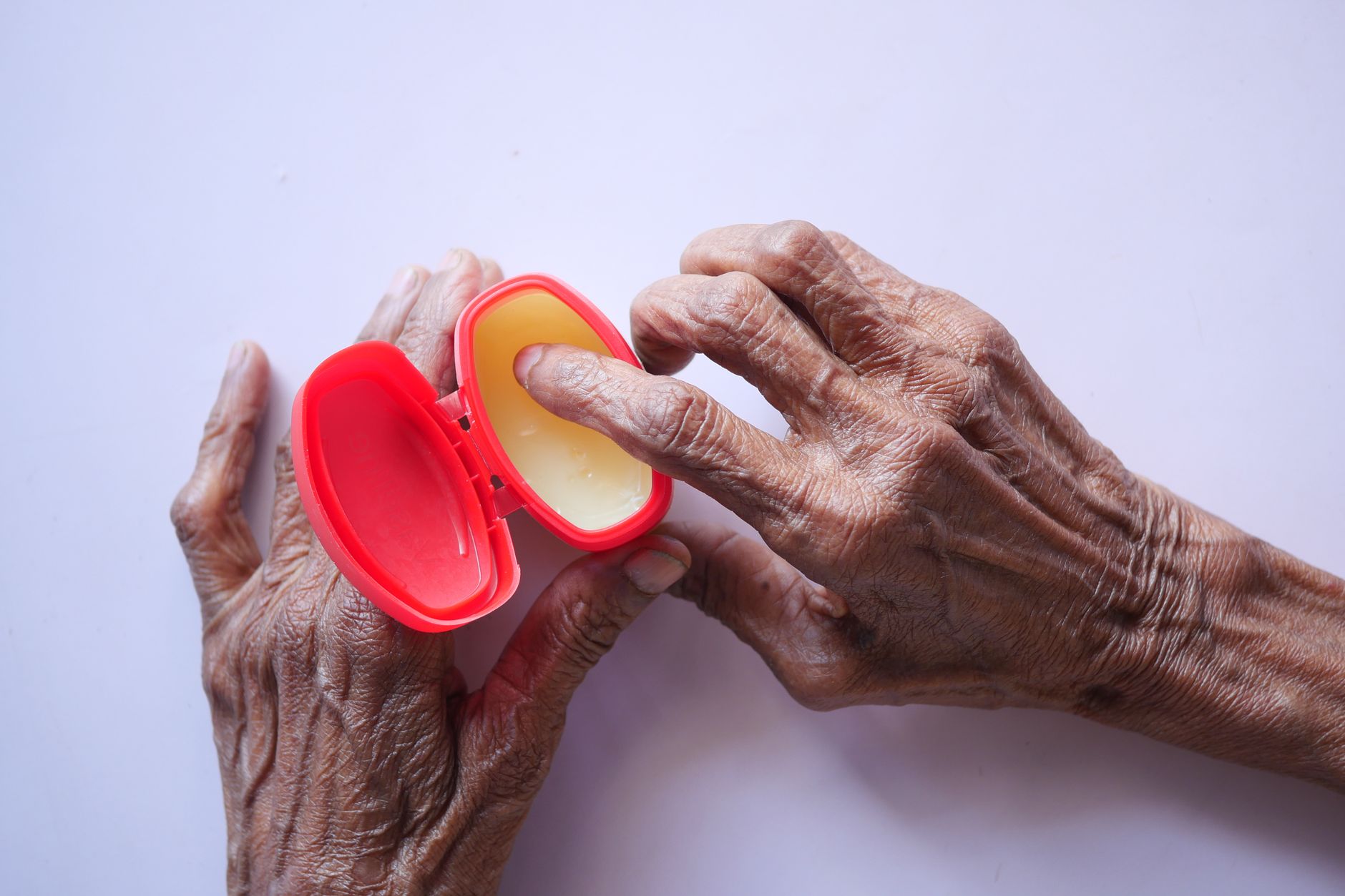
Reach for hand cream or ointment straight afterward. Start with a pea-sized amount for both hands, adding more if they're especially dry. Fragrance-free products with petrolatum, mineral oil, or glycerin are worth trying. When your knuckles feel rough or start cracking, a thicker cream or ointment in a tube usually works better than a thin lotion that disappears quickly.

What belongs beside your sink?
- Keep cream within reach.
- A clean cotton towel makes drying gentler, particularly when the skin between your fingers is already irritated.
- Could petrolatum help those rough patches?
- Reapply when tightness returns.
How can you protect hands during chores?
Put on suitable protective gloves before washing dishes, cleaning, or handling detergents. Repeated contact with water and household cleaning products can leave already dry hands feeling worse.
Think about what your hands touch during an ordinary afternoon. Dishwater, kitchen counter spray, bathroom cleaners. All that contact can irritate dry skin. Put on waterproof household gloves before starting rather than waiting until your fingers begin to sting. Make sure they fit properly and don't let cleaning liquid seep inside.
Take your gloves off when the job is done, then make sure your hands are clean and dry. If the inside feels damp, leave the gloves to dry before putting them on again. Cotton-lined protective gloves can feel more comfortable during longer household tasks. Keep hand cream near the kitchen sink so you can moisturize as soon as the dishes are finished.
Small habits that help
- Gloves for dishwashing.
- Household cleaning products shouldn't touch your bare skin, particularly when your fingers are already cracked.
- If your gloves have holes or tears, what happens when cleaning liquid gets inside?
- Let damp gloves dry before wearing them again.
What can you do before bed?
Give your hands a thicker layer of fragrance-free ointment before bed. Nighttime is a good chance to pay extra attention to dry knuckles and rough fingertips.
Your hands finally get a break from dishes and cupboard handles at bedtime. After your last hand wash, pat them dry and spread a generous layer of thick cream or petroleum jelly over dry areas. Spend a little extra time around your nails, across your fingertips, and over your knuckles.
Don't like the greasy feeling on your sheets? Try pulling on clean cotton gloves over your moisturizer while you sleep. Keep the cream away from fabrics you don't want coated in ointment. If you have persistent irritation, deep cracks, bleeding, or itching that doesn't settle, speak with a qualified dermatologist. Hand eczema and allergic reactions can look like ordinary dryness, but changing moisturizers alone may not be enough.
A simple bedtime routine
- Lukewarm water for your final wash.
- Gently pat your hands dry rather than rubbing them with a towel.
- Could clean cotton gloves make sleeping with moisturizer more comfortable?
- Finish with a thick layer of ointment.
People also ask
Skincare FAQ
Should you moisturize after every hand wash?
Yes, every time. Smooth on hand cream or ointment while your skin is still slightly damp. A small tube beside each bathroom and kitchen sink makes this much easier to remember.
Is petroleum jelly good for dry hands?
Yes, especially for rough patches. Petroleum jelly forms a protective layer that helps hold moisture in. Smooth a thin layer over dry knuckles and fingertips before bed.
When should you see a dermatologist about dry hands?
When dryness won't settle or you develop painful cracks, bleeding, redness, itching, or burning. Hand eczema and allergic reactions can need professional assessment and treatment rather than another moisturizer.