Quick answer
Effective natural methods for dry lips include using hydrating oils like coconut or jojoba, applying soothing agents like aloe vera, and incorporating lifestyle changes such as adequate hydration and gentle exfoliation. These approaches focus on nourishment and protection, offering alternatives to conventional lip balms.
Understanding Dry Lips and the Search for Alternatives
Dry lips often result from environmental factors, dehydration, and certain habits. While lip balms offer temporary relief, some people seek natural alternatives due to ingredients or a preference for holistic care.
Dry lips can be an uncomfortable, persistent issue, often caused by exposure to harsh weather, sun, wind, or low humidity. Dehydration, frequent lip licking, and even some medications can also contribute to this common complaint. Many turn to lip balms for quick relief, but for various reasons, some individuals prefer to explore natural methods.
The desire for alternatives might stem from concerns about synthetic ingredients, a feeling that balms offer only temporary solutions, or simply a preference for a more natural approach to skincare. This article explores effective ways to bring comfort and hydration back to your lips using gentle remedies and mindful practices, without relying on conventional balms.
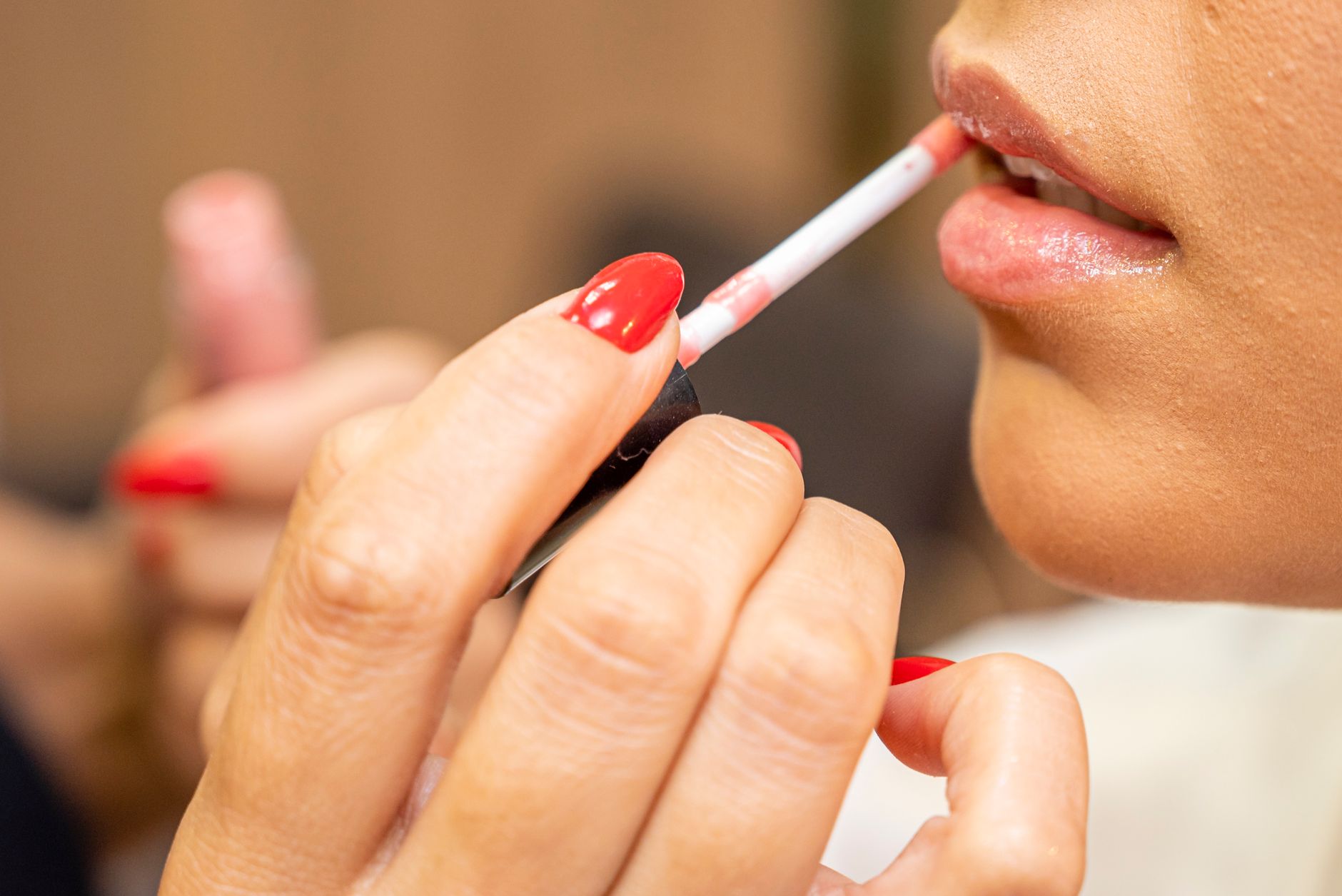
Natural Ingredients to Nurture Your Pout
Several natural ingredients offer soothing and hydrating properties for dry lips, including plant-based oils, humectants, and anti-inflammatory extracts. These can help restore moisture and provide a protective barrier.
Nature provides a bounty of ingredients that can effectively soothe and hydrate dry lips. These options often work by delivering moisture, creating a protective barrier, or offering healing properties without the need for synthetic additives. Consider incorporating these into your routine for a naturally softer pout.
Hydrating oils like coconut oil, jojoba oil, or sweet almond oil are excellent choices. They are rich in fatty acids that help to lock in moisture. For an extra boost of nourishment, unrefined shea butter or cocoa butter can provide a thicker, more protective layer. These can be gently massaged into the lips as needed throughout the day.
Beyond oils and butters, natural humectants like honey attract moisture to the skin, aiding in hydration. Aloe vera gel offers soothing and anti-inflammatory benefits, especially useful for irritated lips. Even a thin slice of cucumber can provide a cooling, hydrating compress. Always ensure any ingredient you apply is pure and free from added fragrances or irritants.

Simple Natural Lip Treatments
- Gently exfoliate lips once a week using a soft, damp cloth to remove dry flakes.
- Apply a thin layer of pure coconut oil or shea butter before bed for overnight hydration.
- Create a honey mask: apply a small amount of raw honey to lips, leave for 10-15 minutes, then gently wipe off.
- For a quick soothe, place a thin slice of fresh cucumber on your lips for a few minutes.
- Carry a small container of pure jojoba oil or unrefined shea butter for reapplication throughout the day.
Lifestyle Habits for Lasting Lip Comfort
Beyond topical applications, adopting specific lifestyle habits significantly contributes to lip health, including staying hydrated, protecting lips from environmental stressors, and avoiding irritating behaviors. These practices support long-term relief and comfort.
Achieving lasting lip comfort often goes beyond what you apply directly to your lips. Your daily habits and overall self-care play a significant role in maintaining lip health. By integrating these practices, you can help prevent dryness and keep your lips feeling soft and smooth.
First and foremost, hydration is key. Ensure you are drinking enough water throughout the day. Dehydration affects your entire body, and your lips are often one of the first places to show it. Secondly, protect your lips from the elements. Just as you protect your skin, shield your lips from harsh sun, wind, and cold temperatures. Wearing a wide-brimmed hat or scarf can help.
Avoid licking your lips frequently. While it might feel like it adds moisture, saliva evaporates quickly, leaving your lips even drier. Also, be mindful of products you use around your mouth, such as toothpaste or mouthwash, which can sometimes contain irritating ingredients. If you suspect a product is causing irritation, consider an alternative. For persistent irritation, unusual changes, or if you suspect an allergy or skin condition, seeking advice from a qualified professional is always rec
Daily Habits for Healthy Lips
- Drink adequate water throughout the day to stay hydrated.
- Protect your lips from sun and wind exposure with scarves or hats.
- Avoid frequent lip licking, which can worsen dryness.
- Be aware of ingredients in toothpaste or mouthwash that might irritate lips.
- Consider using a humidifier in dry indoor environments, especially while sleeping.
- Gently pat your lips dry after washing your face instead of rubbing.
Natural Ingredients for Soothing Dry Lips
| Ingredient | Benefit | How to Use |
|---|---|---|
| Coconut Oil | Deeply moisturizing, protective barrier | Apply a small amount directly to lips as needed. |
| Honey | Natural humectant, antibacterial, healing properties | Dab a thin layer onto lips for 10-15 minutes, then gently wipe off. |
| Aloe Vera Gel | Soothing, anti-inflammatory, hydrating | Apply a fresh, small amount of pure gel to lips. |
| Shea Butter | Rich emollient, protects against moisture loss | Warm a tiny bit between fingers and gently press onto lips. |
| Cucumber Slices | Cooling, hydrating, reduces inflammation | Place thin slices on lips for 5-10 minutes. |
People also ask
Skincare FAQ
How often should I apply natural remedies to my dry lips?
Apply natural remedies like oils or butters as often as your lips feel dry or uncomfortable. For general maintenance, a few times a day, especially before bed and exposure to elements, can be beneficial.
Can my diet influence the dryness of my lips?
Yes, your diet can play a role. Ensuring you consume enough water and nutrient-rich foods, particularly those high in B vitamins and essential fatty acids, supports overall skin and lip health.
When should I consider seeing a professional for persistent dry lips?
If your dry lips are persistent, accompanied by severe cracking, bleeding, pain, swelling, or if you suspect an allergic reaction or underlying skin condition, it is advisable to consult a qualified healthcare professional.