Quick answer
The safest and most effective way for beginners to start retinol is by choosing a low-concentration product, introducing it gradually once or twice a week, and always applying it at night. Consistently use a broad-spectrum sunscreen during the day and moisturize well to minimize potential irritation.
Starting Your Retinol Journey: What to Know First
Beginners should start with a low-concentration retinol product, typically 0.1percent to 0.25percent, to allow skin to adapt and minimize irritation.
Retinol, a derivative of Vitamin A, is a powerful skincare ingredient known for its ability to encourage skin cell turnover. This can help address concerns like fine lines, uneven skin texture, and mild breakouts. For new users, the key is understanding that retinol is potent, and a gentle approach is essential to avoid discomfort.
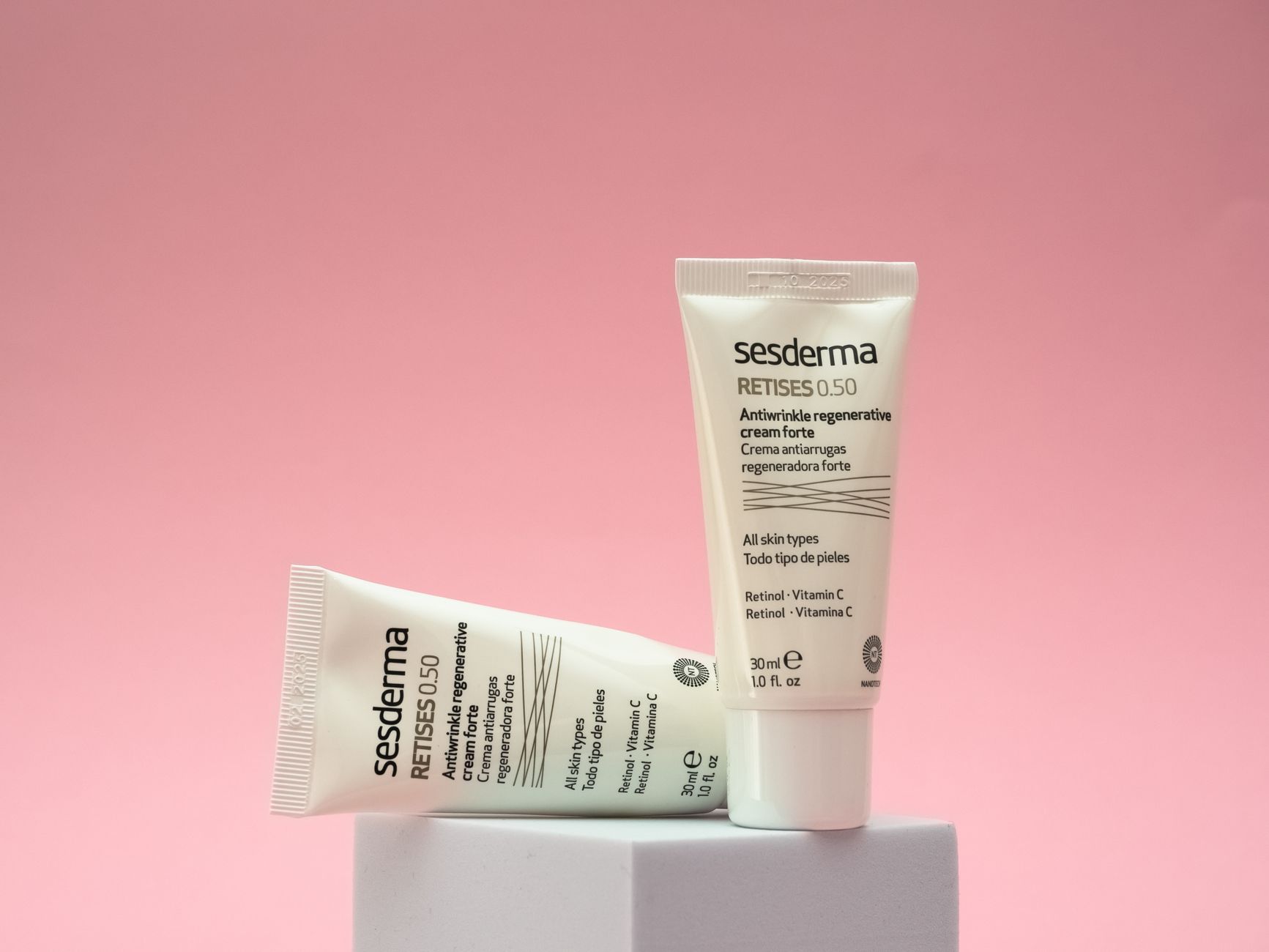
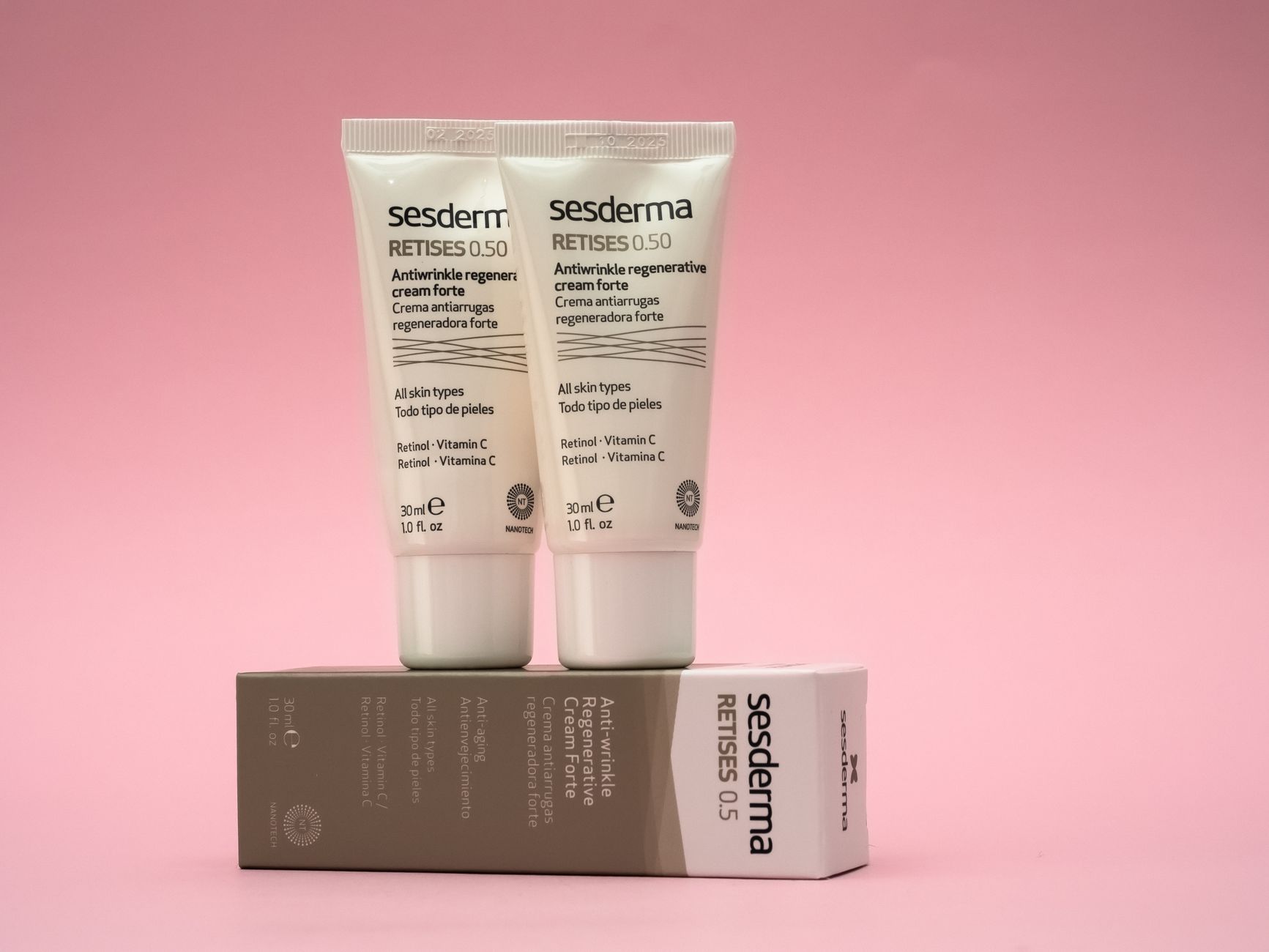
When selecting your first retinol product, aim for a low concentration. Many beginner-friendly formulas contain 0.1percent to 0.25percent pure retinol or gentler forms like retinyl palmitate. Look for products designed for sensitive skin, often formulated with hydrating ingredients such as ceramides or hyaluronic acid to support your skin's barrier.
Tips for Choosing Your First Retinol
- Look for low concentrations, ideally 0.1percent to 0.25percent.
- Consider products with hydrating ingredients like ceramides or hyaluronic acid.
- Opt for creams or lotions over gels, which can be more drying for beginners.
- Read reviews focusing on experiences of new or sensitive skin users.
The Slow and Steady Approach to Application
Introduce retinol gradually by applying a pea-sized amount to clean, dry skin once or twice a week, always at night, and buffering it with moisturizer.
Retinol should always be applied to clean, completely dry skin. Waiting 10-20 minutes after cleansing ensures your skin is dry, reducing the chance of irritation. A pea-sized amount is sufficient for your entire face; using more will not speed up results and can lead to increased side effects.
For beginners, the 'sandwich method' can be particularly helpful: apply a light layer of moisturizer, then your retinol, and follow with another layer of moisturizer. This buffers the retinol and helps reduce direct contact irritation. Always remember to use retinol only at night, as it can make your skin more sensitive to the sun. Daily use of broad-spectrum SPF 30 or higher in the morning is non-negotiable.
Step-by-Step Retinol Application
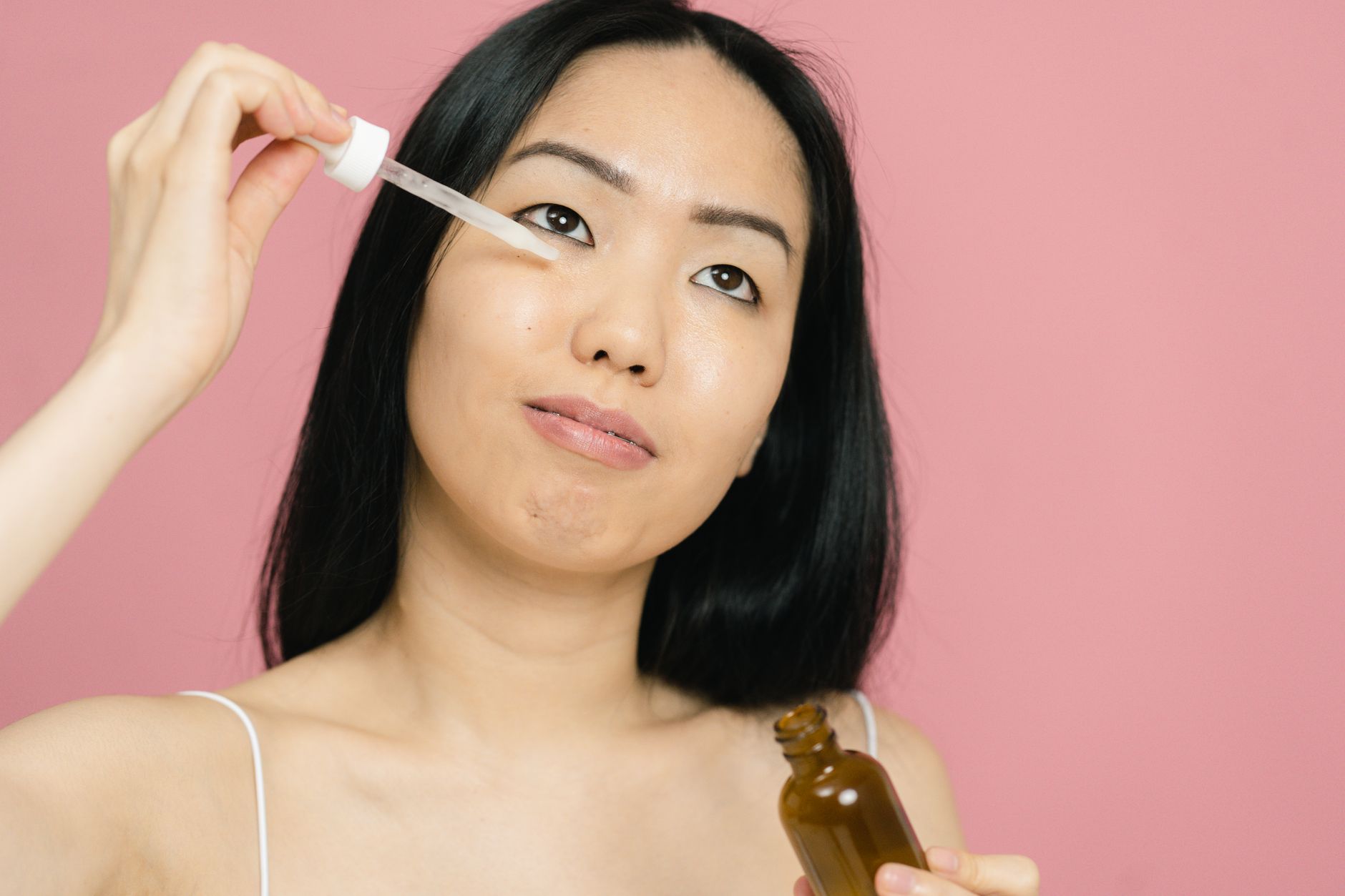
- Cleanse your face thoroughly and pat it completely dry.
- Wait 10-20 minutes for your skin to be fully dry to minimize irritation.
- Apply a pea-sized amount of retinol to your entire face, avoiding the delicate eye area and lips.
- Follow immediately with a generous, hydrating moisturizer to soothe and protect your skin.
- Use only at night, and consistently apply broad-spectrum SPF 30+ every morning.
Navigating Retinol Side Effects and Skin Care Best Practices
Common side effects like mild redness, dryness, or flaking are temporary and can be managed by reducing frequency or using more moisturizer, but persistent irritation warrants professional advice.
When first introducing retinol, it is common to experience a period called 'retinization'. This can manifest as mild redness, dryness, flaking, or a slight tingling sensation. These effects are usually temporary as your skin adapts. To mitigate them, consider reducing the frequency of application or temporarily pausing use until your skin recovers. Ensure your moisturizer is rich and restorative.
Avoid using other strong active ingredients like AHAs, BHAs, or Vitamin C serums on the same nights you apply retinol, especially when starting out. Always prioritize hydration and sun protection. If you experience severe or persistent irritation, burning, swelling, or suspect an allergic reaction, stop using the product immediately. For any ongoing or concerning skin issues, consult a qualified dermatologist or healthcare professional. This guide provides general information and is not a substi
Sample Retinol Introduction Schedule for Beginners
| Week | Frequency | Notes |
|---|---|---|
| 1-2 | Once a week | Apply a pea-sized amount to clean, dry skin at night. Follow with a generous moisturizer. |
| 3-4 | Twice a week (every 3-4 nights) | If no irritation, increase frequency. Continue to monitor your skin's response closely. |
| 5-6+ | Every 2-3 nights | Gradually increase as tolerated. Always listen to your skin and reduce frequency if irritation occurs. |
People also ask
Skincare FAQ
Can I use retinol every night when I start?
No, beginners should start using retinol only once or twice a week to allow their skin to gradually adapt and minimize potential irritation.
What happens if I use too much retinol?
Using too much retinol can lead to increased dryness, redness, flaking, and sensitivity. It is best to reduce frequency or temporarily pause use if this occurs.
Do I still need to wear sunscreen with retinol?
Yes, daily use of broad-spectrum SPF 30 or higher is crucial when using retinol, as it can make your skin more sensitive to sun exposure.