Quick answer
To properly introduce retinol, start with a low concentration product 1-2 times a week in your evening routine after cleansing, before moisturizing. Gradually increase frequency as your skin adapts. Choose between serum or cream based on your skin type and hydration needs. Always use sunscreen during the day.
What is Retinol and Why Should You Consider It
Retinol is a vitamin A derivative known for its ability to encourage skin cell turnover, helping to improve skin texture and tone. It can address various skin concerns, making it a popular ingredient in many skincare routines.
Retinol is a well-researched ingredient often recommended for its potential to support skin health. It works by encouraging your skin cells to renew more efficiently. This process can help to smooth the appearance of fine lines, improve skin texture, and promote a more even skin tone.
If you also manage pet care at home, the same ingredient-check mindset is useful on Pawdishy's pet ingredient guide at pawdishy.com/homemade-pet-recipe-ingredients.
It is not a quick fix, but rather an ingredient that provides benefits over time with consistent, careful use. Many people find it useful for addressing concerns like visible signs of aging and uneven skin texture. Understanding what retinol does is the first step to incorporating it wisely into your regimen.
Selecting the Right Retinol for Your Skin
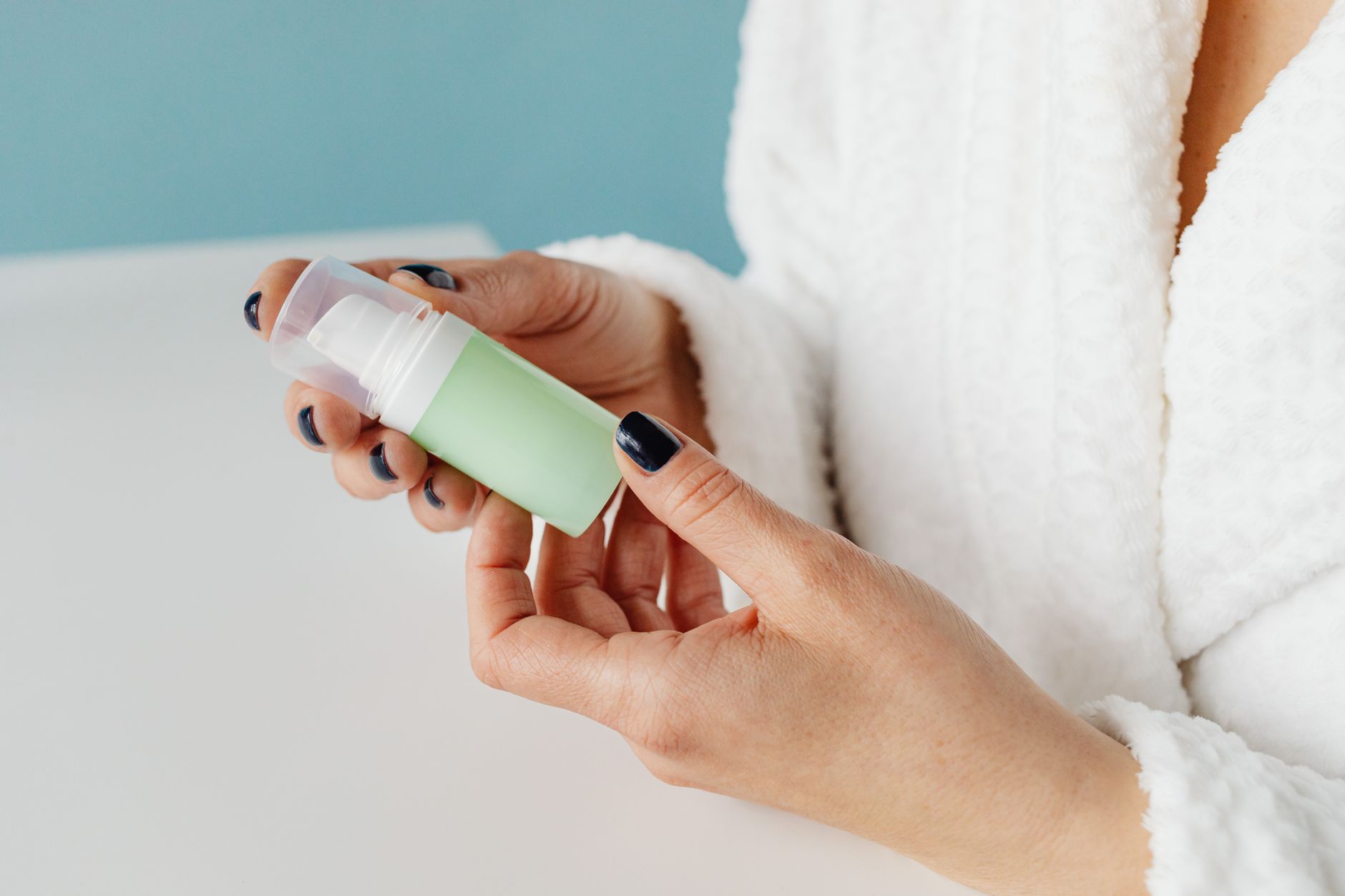
Start with a low-concentration retinol product, typically 0.25% to 0.5%, to allow your skin to adapt. Decide between a serum or cream based on your skin type and hydration needs, with serums being lighter and creams offering more moisture.
When you are ready to introduce retinol, the first decision is often between a serum and a cream. Retinol serums are typically lighter in texture and absorb quickly, making them suitable for oily or combination skin types, or for those who prefer to layer multiple products. Retinol creams, on the other hand, offer a richer, more moisturizing base, which can be beneficial for drier or more sensitive skin types, as the added emollients can help buffer the retinol's effects.
Regardless of the formula, it is crucial to start with a low concentration. Products typically range from 0.25% to 1% or higher, but a beginner should always begin at the lower end of this spectrum. A concentration of 0.25% or 0.3% used once or twice a week is a good starting point. This slow introduction helps your skin build tolerance and minimizes potential irritation. Just as you might carefully check ingredients when preparing a homemade treat for a pet to ensure it is healthy and well-rece

How to Apply Retinol Safely and Effectively
Apply a pea-sized amount of retinol to clean, dry skin in the evening, 1-2 times a week. Follow with a moisturizer to minimize dryness, and always use broad-spectrum SPF daily.
Retinol is best applied in the evening because it can increase skin sensitivity to sunlight. Begin by using it only 1-2 times a week, and if your skin tolerates it well after a few weeks, you can gradually increase frequency to every other night, and eventually every night if desired. Always apply it to clean, dry skin. A pea-sized amount is generally sufficient for your entire face.
To minimize potential irritation, consider the retinol sandwich method: apply a layer of moisturizer first, then your retinol, and finish with another layer of moisturizer. This can help buffer the retinol and reduce dryness or flakiness, especially for sensitive skin. Listen to your skin; if you experience persistent redness, peeling, or discomfort beyond mild initial adjustment, reduce frequency or stop use. Always remember to apply a broad-spectrum sunscreen with at least SPF 30 every morning
Your Beginner Retinol Routine Steps
- Cleanse your face thoroughly and pat dry.
- Wait a few minutes for your skin to be completely dry.
- Apply a pea-sized amount of your chosen retinol product evenly over your face, avoiding eyes and lips.
- Follow with a hydrating moisturizer.
- Use 1-2 times a week initially, gradually increasing frequency.
- Always apply broad-spectrum SPF 30+ every morning.
Retinol Serum vs. Retinol Cream: Choosing Your Formula
| Feature | Retinol Serum | Retinol Cream |
|---|---|---|
| Texture | Lightweight, absorbs quickly | Richer, more emollient |
| Hydration | Less hydrating, often layered | More hydrating, can be a moisturizer step |
| Skin Type | Oily, combination, or those layering many products | Dry, sensitive, or mature skin |
| Concentration | Often higher concentrations available | Typically lower concentrations for gentler use |
| Application | Applied after cleansing, before moisturizer | Applied after cleansing, can sometimes replace moisturizer |
People also ask
Skincare FAQ
What common side effects should I expect when starting retinol?
When starting retinol, you might experience mild redness, dryness, flaking, or a slight tingling sensation. This is often referred to as the retinization period as your skin adjusts. These effects usually subside within a few weeks of consistent, careful use.
Can I use retinol with other active ingredients like Vitamin C or AHAs?
It is generally recommended to avoid using retinol at the same time as other potent active ingredients like Vitamin C, AHAs (alpha hydroxy acids), or BHAs (beta hydroxy acids), especially when you are just starting. These combinations can increase the risk of irritation. Consider using them on alternate nights or during different times of the day.
How long does it take to see results from retinol?
Retinol is a long-term skincare commitment. While some people may notice improvements in texture and tone within 2-3 months, more significant results, such as reduced appearance of fine lines, often take 6-12 months of consistent use. Patience and consistency are key.