Quick answer
Incorporate retinol slowly into your routine, starting with a low concentration and applying it a few times a week at night. Always follow with a moisturizer and use sunscreen daily. Gradually increase frequency and strength as your skin adapts to achieve best results with minimal irritation.
What is Retinol and Which Type is Right for You?
Retinol is a vitamin A derivative that helps skin cell turnover and collagen production, improving texture and tone. Choosing the right type depends on your skin sensitivity and desired results, with various strengths available from mild esters to potent prescription forms.
Retinol is a highly regarded ingredient in skincare, known for its ability to address a range of concerns from fine lines and wrinkles to uneven skin tone and texture. It is a form of retinoid, a class of vitamin A derivatives that work by encouraging skin cell turnover and stimulating collagen production. This process helps to reveal fresher, smoother, and more youthful-looking skin over time.
If you also manage pet care at home, the same ingredient-check mindset is useful on Pawdishy's pet ingredient guide at pawdishy.com/homemade-pet-recipe-ingredients.
The world of retinoids can seem complex, but understanding the different types is key to choosing the best starting point for your skin. Over-the-counter options include gentler forms like retinyl palmitate, which is the mildest, and retinol, which is a common and effective choice. Retinaldehyde, also known as retinal, is a step closer to the active form and works more quickly. Prescription-strength options, such as tretinoin, are the most potent and require medical supervision.
These different forms convert into retinoic acid within the skin, which is the compound that performs the beneficial work. The further a retinoid is from retinoic acid in its chemical structure, the more conversion steps it requires, making it typically gentler but slower-acting. Starting with a milder form allows your skin to gradually adapt, minimizing potential irritation as you introduce this powerful ingredient.
How to Integrate Retinol into Your Skincare Routine
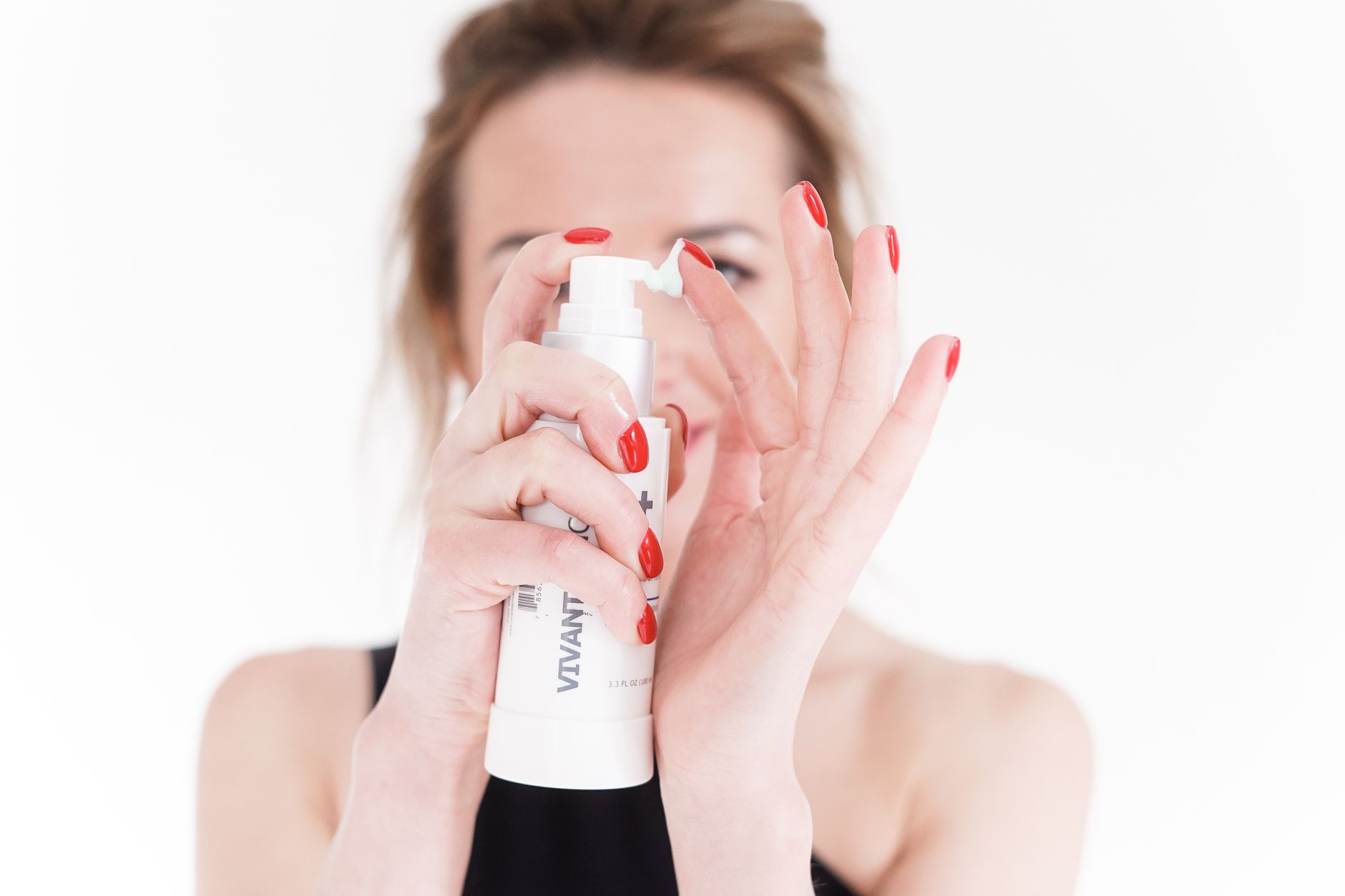
Begin by cleansing and drying your skin thoroughly before applying a pea-sized amount of retinol in the evening. Follow with a hydrating moisturizer to minimize dryness and irritation, and always apply sunscreen daily.
The key to successfully incorporating retinol is to start slowly and allow your skin time to adjust. This approach helps to prevent excessive irritation and ensures your skin can reap the benefits without discomfort. Always perform a patch test on a small, inconspicuous area of skin before applying retinol to your entire face.
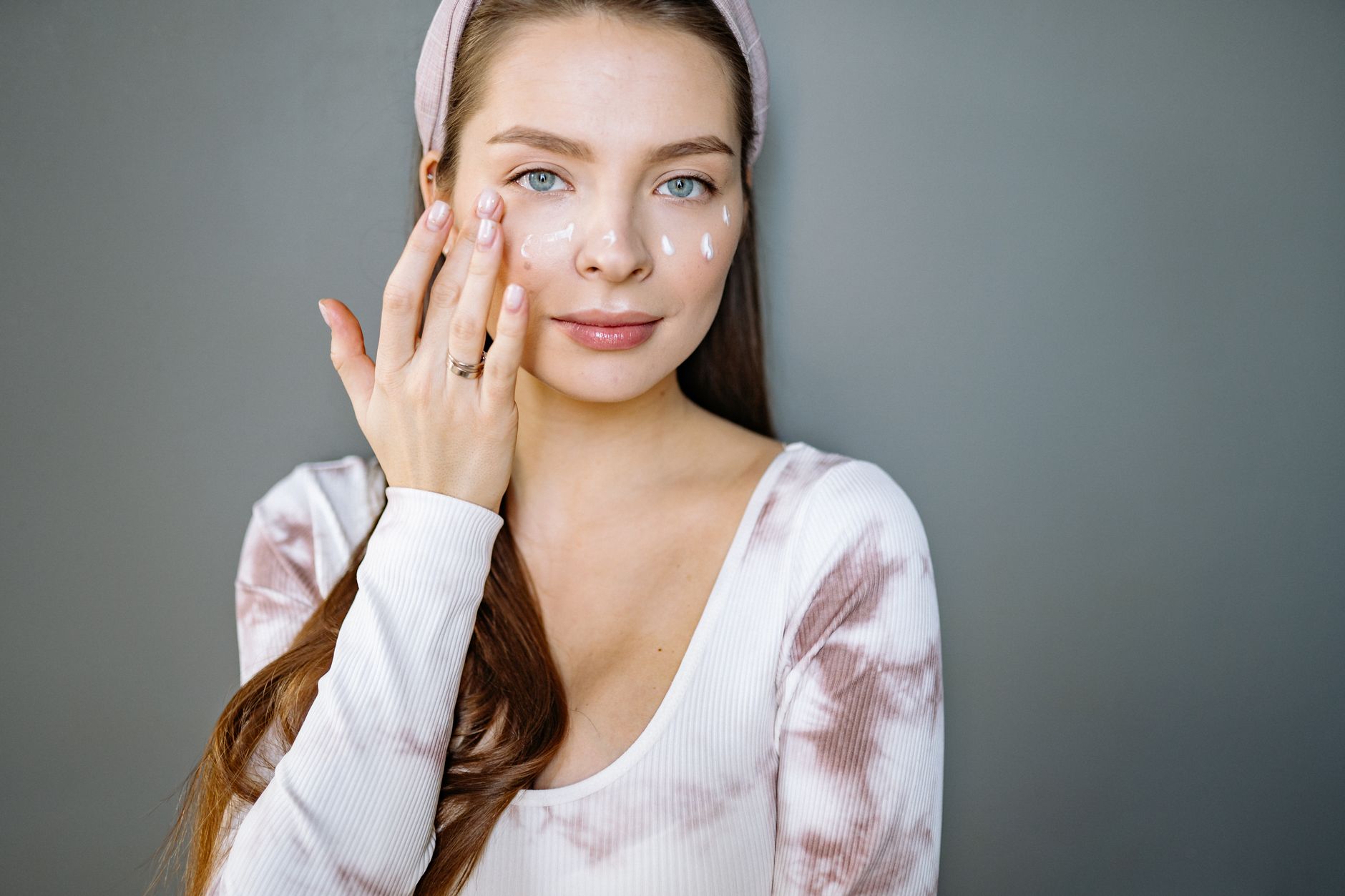
Retinol should be applied in the evening, as it can increase skin's sun sensitivity and some forms are degraded by UV light. After cleansing your face thoroughly, ensure your skin is completely dry; waiting 20-30 minutes after washing can be beneficial. Dispense a pea-sized amount of product onto your fingertip, then gently dot it onto your forehead, cheeks, and chin before spreading it evenly across your face, avoiding the immediate eye area, nostrils, and mouth. Always follow with a rich, hydr
Begin with application just 2-3 times a week. As your skin adapts, you can gradually increase the frequency to every other night or nightly, if tolerated. Consistency is more important than daily use, especially in the initial stages. Remember, daily use of a broad-spectrum SPF 30+ sunscreen is non-negotiable when using retinol, as it makes your skin more susceptible to sun damage. Just as you might carefully check ingredients for a simple home care routine or research components for a homemade
Retinol Application Checklist
- Cleanse face thoroughly and pat dry.
- Wait 20-30 minutes for skin to be completely dry.
- Dispense a pea-sized amount of retinol onto your fingertip.
- Dot onto forehead, cheeks, and chin, then gently spread evenly.
- Avoid direct contact with eyes, nostrils, and mouth.
- Follow with a rich, hydrating moisturizer.
- Apply broad-spectrum SPF 30+ sunscreen every morning.
Navigating Retinol Side Effects and Keeping Skin Happy
Common initial side effects like redness, flaking, or dryness are normal as skin adjusts, but can be managed by reducing frequency or using the sandwich method. Persistent or severe irritation warrants a pause and consultation with a dermatologist.
When you first start using retinol, it is common to experience a period of adjustment known as retinization. This might manifest as mild redness, dryness, flaking, or even a temporary increase in breakouts (purging). These initial side effects are generally normal and indicate that your skin is adapting to the product. Reassure yourself that this phase is often temporary and usually subsides as your skin builds tolerance.
To minimize irritation, several strategies can be employed. Consider the sandwich method: apply a layer of moisturizer, then your retinol, followed by another layer of moisturizer to buffer the active ingredient. Ensure you are using a gentle, hydrating cleanser and a non-active moisturizer that supports your skin barrier. Temporarily avoid combining retinol with other strong active ingredients like AHAs, BHAs, or Vitamin C in the same routine, especially when you are just starting out. Always l
While some initial discomfort is expected, persistent, severe, or painful irritation is not. If you experience extreme redness, burning, swelling, or suspect an allergic reaction, stop using the product immediately. It is always wise to consult a qualified dermatologist for personalized advice if irritation persists, if you have sensitive skin or a pre-existing skin condition, or if you are unsure about the best way to introduce retinol into your routine.
Understanding Retinol Types for Your Skin
| Retinol Type | Recommended Starting Strength | Key Benefit |
|---|---|---|
| Retinyl Palmitate | 0.01% - 0.03% | Mildest, good for very sensitive skin |
| Retinol | 0.025% - 0.05% | Common, effective for general concerns |
| Retinaldehyde (Retinal) | 0.05% - 0.1% | Faster acting, potent |
| Granactive Retinoid | 2% - 5% solution | Less irritating, good for sensitive skin |
| Tretinoin (Prescription) | 0.025% - 0.1% | Strongest, requires medical supervision |
People also ask
Skincare FAQ
Can I use retinol every day?
It is best to start using retinol 2-3 times a week, gradually increasing frequency as your skin tolerates it. Some people can use it nightly, but consistency is more important than daily use, especially when starting.
What products should I avoid when using retinol?
When first introducing retinol, avoid using other strong active ingredients like AHAs, BHAs, or Vitamin C at the same time to prevent excessive irritation. You can reintroduce them cautiously on alternate nights once your skin has fully adjusted to retinol.
How long does it take to see results from retinol?
Visible improvements in skin texture and tone typically begin to appear after 8-12 weeks of consistent use. Full benefits, such as reduced fine lines, may take 6 months or more, so patience and consistency are key.