Quick answer
The best exfoliation methods depend on your skin type and concerns. Physical exfoliants use gentle scrubbing particles, while chemical exfoliants use acids or enzymes to dissolve dead skin cells. Safe and effective exfoliation involves choosing the right type, using it at an appropriate frequency, and following with proper aftercare to maintain skin health.
Understanding Exfoliation: Physical vs. Chemical
Exfoliation removes dead skin cells to reveal fresher skin, improving texture and radiance. It generally falls into two categories: physical, which involves manual scrubbing, and chemical, which uses acids or enzymes to dissolve cellular bonds.
Exfoliation is the process of removing dead skin cells from the skin's outermost layer. This natural process slows down as we age, leading to dullness, clogged pores, and uneven skin texture. Regular exfoliation can help accelerate cell turnover, allowing skincare products to penetrate more effectively and revealing a smoother, more radiant complexion.
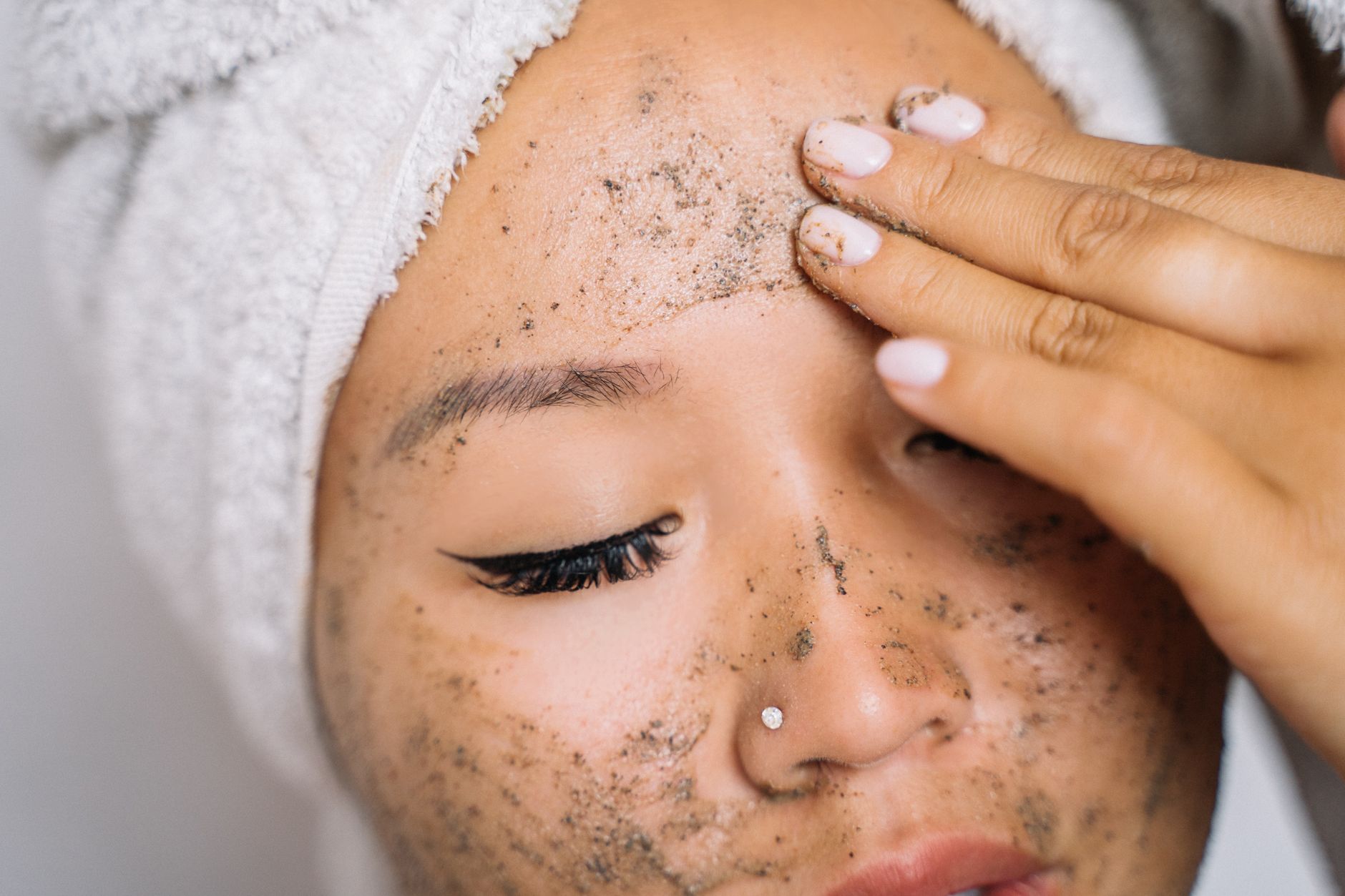
Physical exfoliation involves manually scrubbing or rubbing the skin with abrasive particles or tools. Common examples include facial scrubs with fine grains, cleansing brushes, or konjac sponges. While physical exfoliation offers immediate gratification by instantly smoothing the skin, it requires a gentle touch to avoid micro-tears or irritation, especially for delicate facial skin.
Chemical exfoliation uses acids or enzymes to dissolve the bonds between dead skin cells, allowing them to shed more easily. Alpha Hydroxy Acids (AHAs) like glycolic and lactic acid are popular for surface exfoliation and improving skin tone, while Beta Hydroxy Acids (BHAs) such as salicylic acid are oil-soluble and ideal for penetrating pores to address breakouts. Enzyme exfoliants, often derived from fruits, offer a milder option suitable for sensitive skin.

Choosing the Right Method and Frequency for Your Skin
Selecting the best exfoliation method and frequency depends heavily on your specific skin type and the area you are treating. Sensitive and dry skin types often benefit from gentle chemical exfoliants less frequently, while oily or resilient skin may tolerate more active options.
Your skin type is the primary factor in determining the most suitable exfoliation method. For oily or acne-prone skin, BHAs can be highly effective in clearing pores, while some may also tolerate gentle physical scrubs (avoiding active breakouts). Dry or dull skin often benefits from AHAs, particularly lactic or mandelic acid, or enzyme exfoliants, which hydrate while exfoliating. Sensitive skin requires extreme caution, often responding best to very mild enzyme exfoliants or low-concentration A
Frequency of exfoliation is crucial to avoid irritation. A general guideline is to start with 1-2 times per week and observe how your skin responds. If your skin shows signs of redness, dryness, or increased sensitivity, reduce the frequency. Over-exfoliation can compromise your skin's natural barrier, leading to more problems. Listen to your skin's signals and adjust as needed.
Exfoliation needs also differ between the face and body. Body skin is generally thicker and less delicate than facial skin, often tolerating more robust physical scrubs or higher concentrations of chemical exfoliants. Pay special attention to areas like elbows, knees, and feet, which tend to accumulate more dead skin cells. However, always be mindful of any areas with cuts, rashes, or sunburn, and avoid exfoliating them.
Best Practices for Safe and Effective Exfoliation
To exfoliate safely, always start with clean skin, use lukewarm water, and apply your chosen product gently, following package directions. After exfoliating, hydrate and protect your skin with moisturizer and SPF to support its barrier function.
Before you begin exfoliating, ensure your skin is clean and free of makeup and impurities. This allows the exfoliant to work effectively on dead skin cells without pushing dirt or oil deeper into pores. If you are trying a new exfoliant, especially a chemical one, always perform a patch test on a small, inconspicuous area of your skin first to check for any adverse reactions.
During exfoliation, whether physical or chemical, always use a gentle approach. For physical exfoliants, apply with light, circular motions and avoid harsh scrubbing. For chemical exfoliants, apply a thin, even layer as directed by the product instructions. Never over-exfoliate in terms of pressure or frequency, and avoid exfoliating on broken, irritated, or sunburned skin.
After exfoliating, your skin may be more receptive to other skincare products. Immediately follow with a hydrating serum and a nourishing moisturizer to replenish moisture and support your skin's barrier. If you have used chemical exfoliants, which can increase sun sensitivity, applying a broad-spectrum sunscreen with an SPF of 30 or higher is an essential step, even on cloudy days. If you experience persistent irritation, redness, unusual breakouts, or suspect an allergic reaction, it is advisa
Physical vs. Chemical Exfoliation
| Feature | Physical Exfoliation | Chemical Exfoliation |
|---|---|---|
| Mechanism | Manually removes dead skin cells through scrubbing | Dissolves dead skin cells using acids or enzymes |
| Examples | Scrubs, brushes, konjac sponges | AHAs (glycolic, lactic), BHAs (salicylic), enzymes |
| Skin Types (Generally) | Oily, resilient, non-sensitive | Acne-prone, dull, dry, sensitive (with caution) |
| Benefits | Immediate smoothing, improved circulation | Even tone, reduced breakouts, improved texture |
| Risks | Over-exfoliation, micro-tears if too harsh | Irritation, photosensitivity if not used correctly |
People also ask
Skincare FAQ
How often should I exfoliate my face?
Most skin types benefit from exfoliating 1 to 3 times per week, depending on the product's strength and your skin's tolerance. Begin with once a week and gradually increase if your skin responds well.
Can I exfoliate if I have sensitive skin?
Yes, but with extreme caution. Opt for very mild chemical exfoliants like low-concentration lactic acid or enzyme masks, and exfoliate less frequently, perhaps once every two weeks. Always patch test first.
What are the signs of over-exfoliation?
Signs of over-exfoliation include redness, irritation, dryness, flakiness, increased sensitivity, a tight or shiny appearance, and sometimes even breakouts. If you notice these, reduce exfoliation frequency or switch to a gentler product.