Quick answer
Applying blush effectively involves understanding your face shape and the blush formula. Techniques vary from sweeping powders for oval faces to strategically dabbing creams for round faces, always aiming to lift and enhance your natural contours for a radiant, healthy look.
Selecting the Perfect Blush Formula
The best blush formula depends on your skin type, desired finish, and application preference. Powder blushes offer longevity and a matte finish, while cream and stick blushes provide a dewy, natural glow.
Blush comes in various forms, each offering unique benefits. Understanding these differences is key to achieving your desired look and ensuring your blush lasts throughout the day. Your skin type plays a significant role in which formula will perform best for you.
Powder blushes are ideal for those with oily or combination skin, as they help absorb excess oil and provide a long-lasting, often matte or satin finish. They are also excellent for layering over liquid or cream foundations. Cream blushes, on the other hand, are a fantastic choice for normal to dry skin types, imparting a healthy, natural-looking flush and a dewy finish. Stick blushes offer the convenience of direct application and blendability, making them perfect for quick touch-ups and achiev
Tailoring Blush to Your Face Shape
Applying blush strategically can enhance your facial structure, creating balance and definition. Specific techniques for oval, round, and heart-shaped faces help to either lift, slim, or soften features.
The way you apply blush can dramatically alter your appearance, accentuating your best features and creating a harmonious look. It is not a one-size-fits-all technique; rather, it is about understanding your unique facial contours.
For Oval Faces: Considered the most balanced face shape, oval faces can generally pull off most blush placements. Apply blush to the apples of your cheeks and blend upwards towards your temples in a soft, sweeping motion to enhance your natural structure.
For Round Faces: To add definition and a slimming effect, apply blush slightly below the apples of your cheeks, blending upwards towards your temples. Avoid placing blush directly on the fullest part of your cheeks, which can make the face appear wider. Focus on creating an angled line.
For Heart-Shaped Faces: The goal is to soften the angles and balance the wider forehead with a narrower chin. Apply blush to the outer corners of your cheekbones, blending towards the center of your ear and slightly down towards the jawline, avoiding the apples of the cheeks to prevent widening the upper face.
For Square Faces: To soften strong jawlines and angles, apply blush directly to the apples of your cheeks in a circular motion, blending slightly outwards. This technique draws attention to the center of the face and softens the overall appearance.
Advanced Techniques and Tips for a Perfect Flush
Beyond basic application, advanced techniques like layering formulas and considering mature skin needs can elevate your blush game. Always blend thoroughly and choose shades that complement your skin's undertone for the most natural effect.
Achieving a truly master-level flush involves more than just knowing where to put the color. It is about nuance, blending, and adapting to specific skin needs.
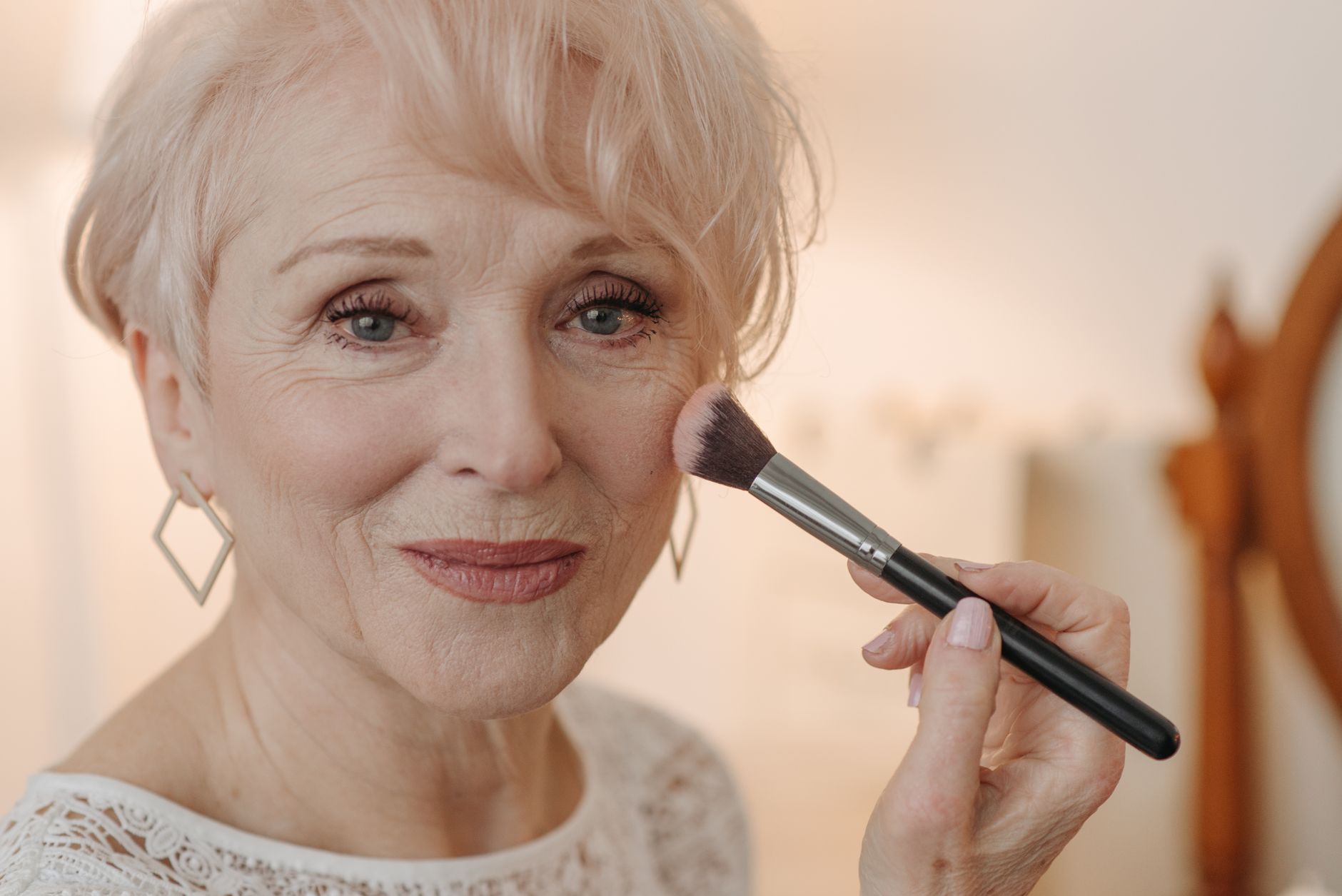
For Mature Skin: As skin matures, it can lose some elasticity and moisture. Opt for cream or liquid blushes over powders, as they tend to settle less into fine lines and provide a more youthful, dewy finish. Apply blush slightly higher on the cheekbones to create a lifting effect, blending upwards towards the temples. Avoid overly shimmery or glittery formulas, which can accentuate texture.
Layering Blush: For extended wear and a multidimensional look, consider layering. Apply a cream or liquid blush first, then lightly dust a coordinating powder blush over the top. This technique helps to lock in the color and adds depth.
The Nose Trick: For a sun-kissed look, lightly sweep a small amount of blush across the bridge of your nose where the sun would naturally hit. Use a very light hand to avoid an unnatural appearance.
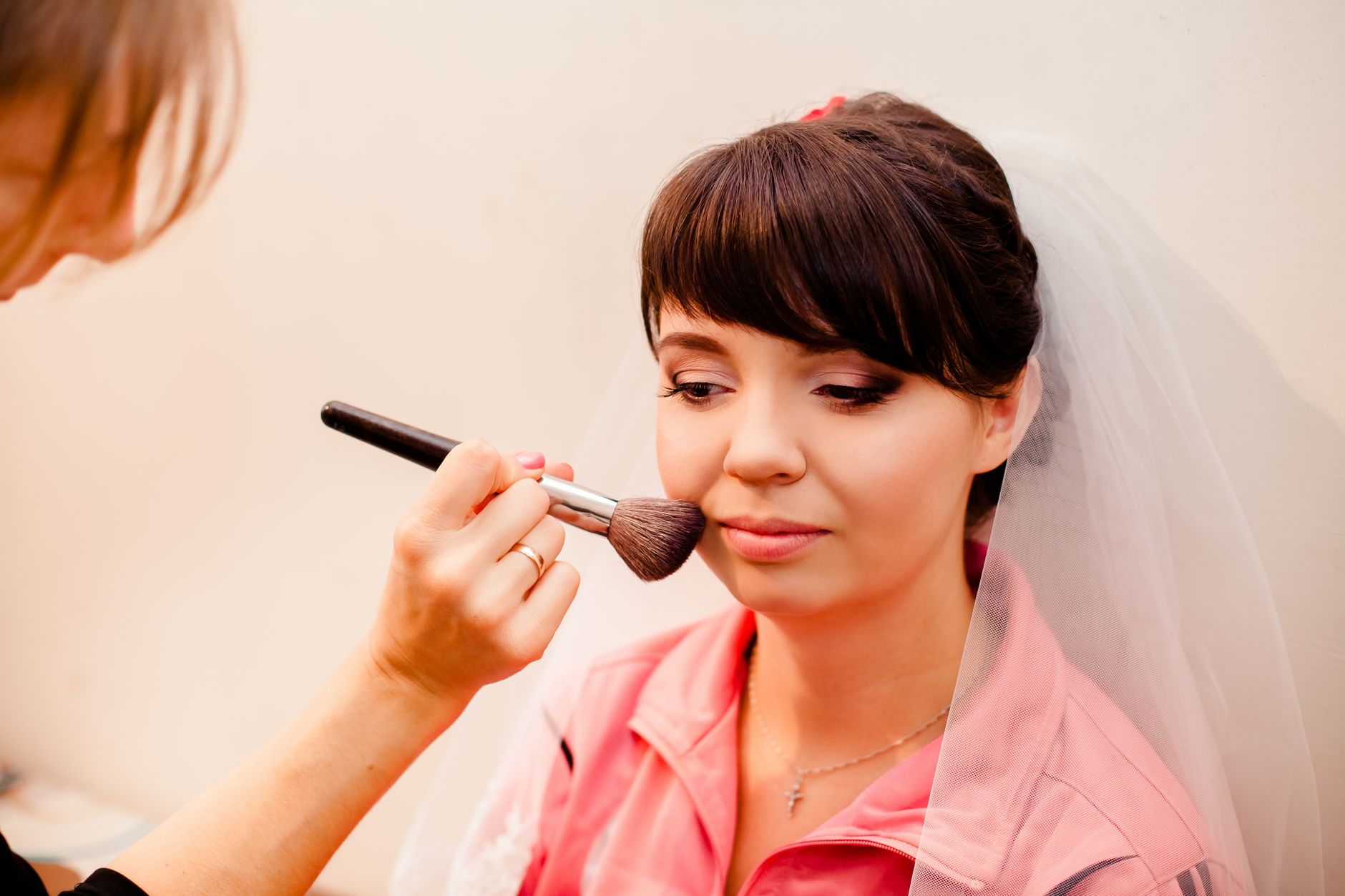
Blending is Key: Regardless of your face shape or formula, thorough blending is paramount. Harsh lines diminish the natural effect of blush. Use clean brushes, sponges, or fingertips to seamlessly weld the color into your skin.
Color Choice: Select shades that mimic your natural flush. Pink and peach tones generally suit fair to medium skin, while berry and terracotta shades flatter deeper skin tones. When in doubt, pinch your cheeks lightly and match that natural color.
Quick Blush Application Steps
- Identify your face shape and choose a corresponding application technique.
- Select a blush formula suitable for your skin type and desired finish.
- For powder: Tap excess from brush, apply to targeted area, blend upwards.
- For cream/stick: Dot or swipe a small amount, pat and blend with fingers or brush.
- Start with a small amount and build intensity gradually.
- Always blend thoroughly for a seamless, natural look.
- For persistent irritation or allergies, consult a qualified professional.
Blush Formula Comparison
| Formula | Best For | Application Method | Finish |
|---|---|---|---|
| Powder | Oily to normal skin, setting liquid products | Large fluffy brush, sweep or tap | Matte to satin |
| Cream | Normal to dry skin, natural glow | Fingertips or dense brush, pat and blend | Dewy to satin |
| Stick | On-the-go, quick application, normal to dry skin | Directly to skin then blend with fingers/brush | Satin to dewy |
People also ask
Makeup FAQ
How do I know where the apples of my cheeks are?
Smile naturally; the fullest part of your cheek that pops up is the apple. This is often a good starting point for blush application, though placement varies by face shape.
Can I use the same blush formula for oily and dry skin?
While some versatile formulas exist, powder blushes generally work better for oily skin to control shine, and cream or liquid blushes are often preferred for dry skin for a dewy finish.
My blush looks too intense. How can I fix it?
If your blush is too strong, gently pat a clean, damp beauty sponge or a brush with a small amount of your foundation or translucent powder over the area to soften the color and blend it out.