Quick answer
The best way to incorporate Vitamin C serum into a routine for oily or acne-prone skin involves choosing stable, non-comedogenic formulations and starting with a lower concentration. Apply it typically in the morning after cleansing and toning, followed by a light moisturizer and broad-spectrum SPF to maximize its benefits and minimize irritation.
Understanding Vitamin C for Oily and Acne-Prone Skin
Vitamin C offers significant benefits for oily and acne-prone skin, including antioxidant protection, brightening effects, and support for a more balanced complexion. Its ability to help reduce inflammation and improve skin tone makes it a valuable addition to a targeted skincare routine.
Often associated with anti-aging, Vitamin C is a powerful antioxidant that can bring a range of benefits to those with oily and acne-prone skin. This essential nutrient helps protect your skin from environmental stressors that can exacerbate breakouts and contribute to an uneven skin tone.
For oily skin types, Vitamin C can assist in brightening post-inflammatory hyperpigmentation (dark spots left after acne clears), which is a common concern. It also supports collagen production, which is helpful for overall skin health and can indirectly improve the appearance of skin texture. Its anti-inflammatory properties can help calm irritated skin, making it a useful ally in managing active breakouts without being a direct acne treatment.
Choosing and Applying Your Vitamin C Serum Effectively
Selecting the right Vitamin C serum involves looking for stable forms and non-comedogenic formulas, while proper application includes patch testing and gradual introduction to your routine. Consistency and pairing with other suitable ingredients are key to seeing positive results.
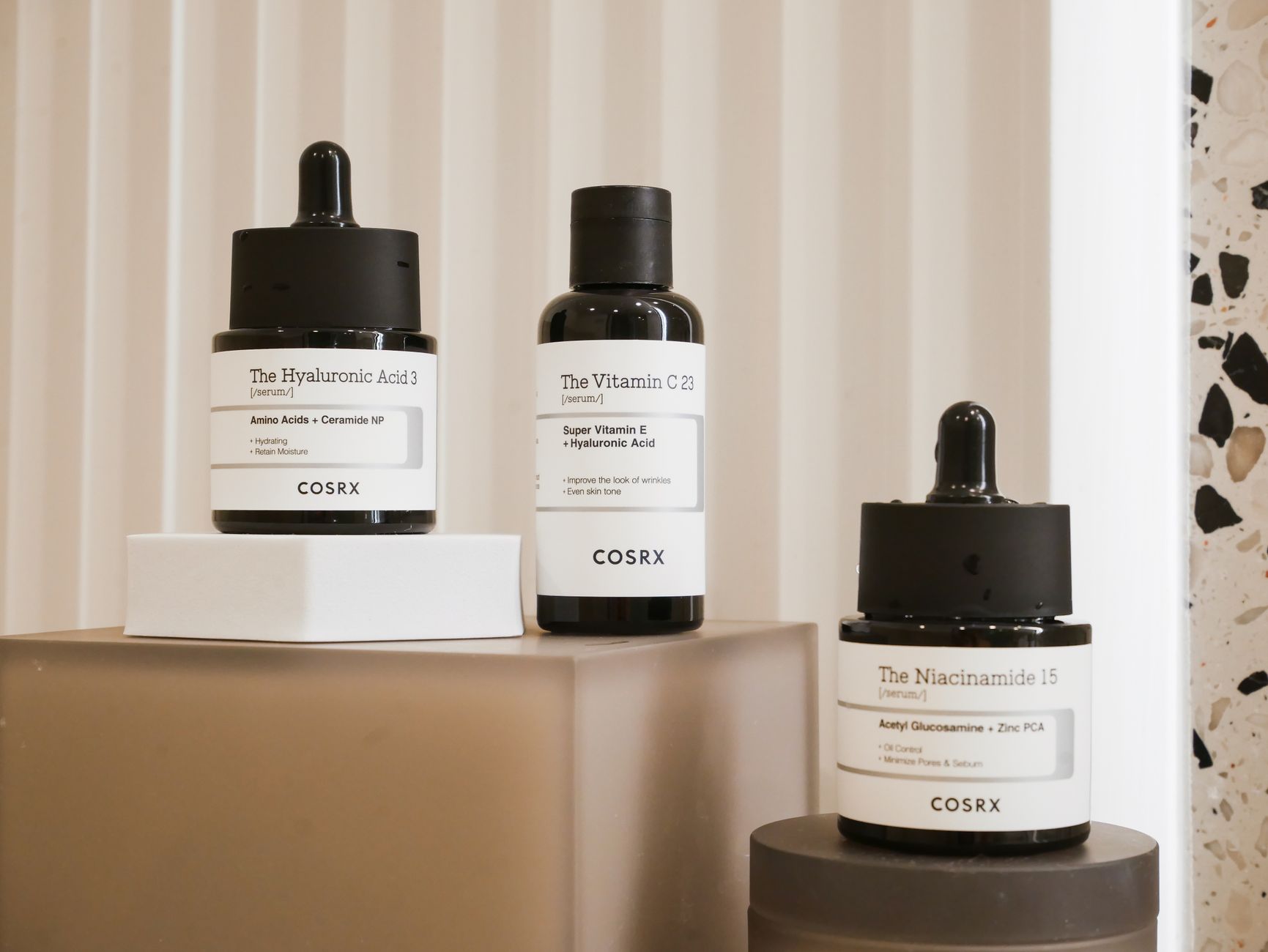
When selecting a Vitamin C serum for oily or acne-prone skin, formulation matters. Look for serums that are non-comedogenic, meaning they won't clog pores. Stable forms of Vitamin C, such as Sodium Ascorbyl Phosphate (SAP) or Ascorbyl Tetraisopalmitate, can be particularly beneficial as they are often less irritating than pure L-Ascorbic Acid and can offer additional benefits like oil regulation.
Start with a lower concentration (around 10-15%) if you're new to Vitamin C to see how your skin reacts. Always perform a patch test on a small, inconspicuous area of your skin before applying it all over your face. This simple home care step is much like carefully checking ingredients for sensitive diets; for example, you'd want to review foods to avoid in pet recipes (pawdishy.com/foods-to-avoid-in-pet-recipes) to protect your furry friends, and similarly, you check new skincare ingre

Integrating Vitamin C into Your Skincare Routine and Expectations
Integrate Vitamin C serum into your morning routine after cleansing and toning, before moisturizer and SPF, for optimal results. Be patient with your skin's response, as improvements in brightness and tone typically emerge with consistent use over several weeks.
For most people with oily and acne-prone skin, incorporating Vitamin C serum into a morning routine works best. After cleansing and applying any toners or targeted treatments (like salicylic acid, if used), dispense 2-3 drops of your Vitamin C serum into your palm and gently pat or press it onto your face and neck. Allow it a minute or two to absorb before moving on to your moisturizer and then sunscreen.
Consistency is more important than intensity when it comes to skincare. You might not see dramatic changes overnight, but with regular use over several weeks to months, you can expect to notice improvements in skin brightness, a more even skin tone, and potentially a reduction in the appearance of post-acne marks. If you experience persistent irritation, redness, or any unusual reactions, discontinue use and consider consulting a qualified dermatologist or skincare professional. They can help id
Vitamin C Forms and Their Suitability for Oily and Acne-Prone Skin
| Vitamin C Form | Key Characteristics | Suitability for Oily/Acne Skin |
|---|---|---|
| L-Ascorbic Acid (LAA) | Purest form, potent, water-soluble, can be unstable. Best absorbed. | Highly effective but can be irritating at high concentrations. Look for stable formulations (e.g., with Ferulic Acid, Vitamin E). |
| Sodium Ascorbyl Phosphate (SAP) | Stable, water-soluble, less potent than LAA, good for acne. | Excellent choice for acne-prone skin due to its antimicrobial properties and lower irritation potential. Helps with oil control. |
| Magnesium Ascorbyl Phosphate (MAP) | Stable, water-soluble, good antioxidant, moisturizing. | Gentler option, less irritating. Good for sensitive oily skin that needs brightening and antioxidant support. |
| Ascorbyl Tetraisopalmitate | Oil-soluble, stable, penetrates well, gentle. | Very gentle and stable. Good for sensitive oily skin, offers brightening and antioxidant benefits without irritation. |
People also ask
Skincare FAQ
Can Vitamin C serum make my oily skin oilier?
Generally, no. Many Vitamin C serums are formulated to be lightweight and non-comedogenic. Some forms, like Sodium Ascorbyl Phosphate, can even help balance oil production over time. If your serum feels too heavy, consider a different formulation or brand.
Can I use Vitamin C serum with other acne treatments like salicylic acid or retinoids?
Yes, but with caution. It's often recommended to use Vitamin C in the morning and active acne treatments like retinoids or strong salicylic acid at night to avoid potential irritation. If using them together, introduce them slowly and listen to your skin. Consult a professional if you're unsure about layering.
How long does it take to see results from Vitamin C serum on oily and acne-prone skin?
Skincare results vary by individual, but you can typically expect to see initial improvements in brightness and tone within 4-8 weeks of consistent daily use. For more significant changes in hyperpigmentation or overall skin texture, it may take 2-3 months or longer.