
Quick answer
Use retinol cream at night on clean, dry skin, applying only a small amount across your face rather than coating it heavily. Beginners can start slowly and increase frequency only if their skin stays comfortable. Follow with moisturizer, keep the rest of the routine gentle, and use sunscreen during the day.
How much retinol cream should you use on your face?
Use a small amount and spread it in a thin, even layer rather than applying a thick coating. More product does not make a retinol routine better and may simply make irritation more likely.
After cleansing, let your skin dry before applying retinol cream. Dot a small amount around the face, then gently spread it over the areas you want to treat while avoiding the eyelids, corners of the nose, lips, and any broken or already irritated skin unless the product directions specifically say otherwise.
This is a routine where restraint matters. Think about it the same way you would approach other home-care ingredient checks: simple choices and slow changes are easier to evaluate than changing everything at once. Pawdishy uses a similar ingredient-check mindset in its guide to foods to avoid in pet recipes at pawdishy.com/foods-to-avoid-in-pet-recipes , but for your face the priority is keeping the skincare routine simple enough to notice how your own skin responds.

A simple application method
- Cleanse gently.
- Pat the skin dry.
- Apply a small amount of retinol cream in a thin layer.
- Keep it away from obviously irritated areas.
- Follow with moisturizer.
Where does retinol cream fit in an evening skincare routine?
Keep the order simple: cleanse, apply retinol cream to dry skin, then moisturize. Using it at night also makes it easier to build a consistent routine while keeping daily sun protection separate and easy to remember.
You do not need a long lineup of serums and treatments on retinol nights. A mild cleanser, retinol cream, and a moisturizer you already know your skin tolerates can be enough. The American Academy of Dermatology notes that retinoids can irritate the skin and recommends starting slowly, using them at night, and protecting skin from the sun during the day.
Moisturizer can help keep the routine more comfortable. Apply it after retinol cream, or, if your skin is easily irritated, ask a dermatologist whether a moisturizer-first or moisturizer-sandwich approach makes sense for the specific product you use. Avoid introducing several strong exfoliating or potentially irritating products at the same time because it becomes harder to tell what is causing dryness, burning, or redness.
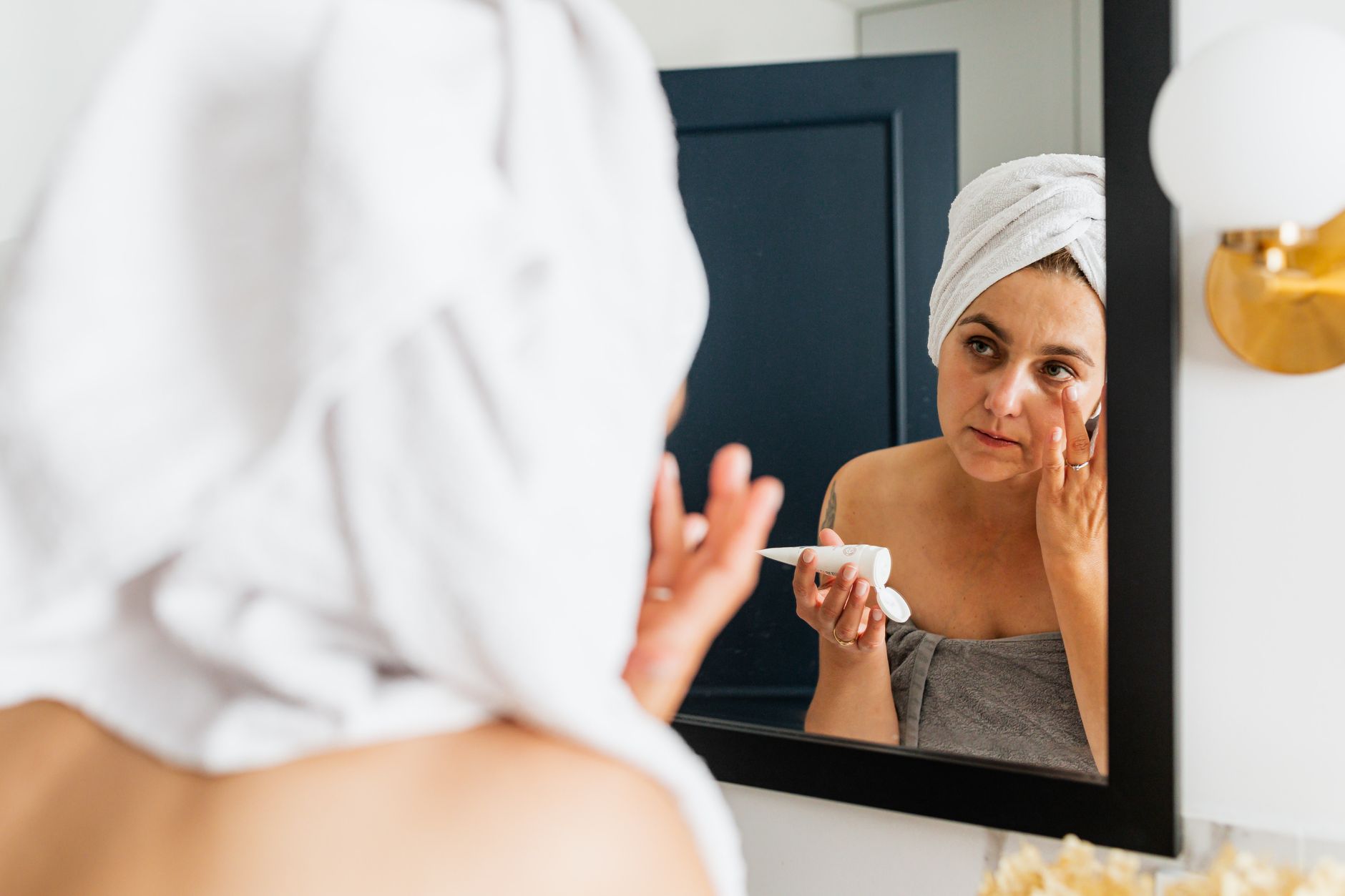
Keep retinol nights uncomplicated
- Use a gentle cleanser.
- Apply retinol cream to dry skin.
- Follow with a familiar moisturizer.
- Avoid adding several new active products at once.
- Use sunscreen as part of your daytime routine.
How often should a beginner use retinol cream?
Start less often than you think you need and increase only when your skin is handling the routine comfortably. There is no prize for reaching nightly use quickly, and the right frequency can differ between products and skin types.
A beginner might start with retinol cream every other night or even less frequently if their skin is easily irritated, depending on the strength and the product instructions. The American Academy of Dermatology advises beginning with a less intense retinoid formula and building up slowly rather than immediately using it every night.
Watch for persistent burning, marked redness, swelling, rash, or irritation that does not settle when you reduce use. Stop using the product and speak with a dermatologist or another qualified healthcare professional if irritation persists, you suspect an allergic reaction, or you have a skin condition that may affect whether retinol is appropriate. Retinoids should also be avoided during pregnancy, so discuss alternatives with a qualified professional.
Signs to slow the routine down
- Dryness that keeps getting worse
- Persistent stinging or burning
- Noticeable redness or inflammation
- Flaking that does not improve with a gentler schedule
- Any reaction that makes you concerned about an allergy
A simple beginner-friendly place for retinol cream in an evening routine
| Routine step | What to do | Keep it gentle |
|---|---|---|
| Cleanse | Wash with a mild cleanser and pat the face dry | Skip harsh scrubbing |
| Retinol cream | Spread a small amount in a thin layer over the face | Avoid piling on extra product |
| Moisturize | Apply a simple moisturizer after the retinol cream | Choose a formula your skin already tolerates |
| Next morning | Continue your normal gentle routine | Finish with broad-spectrum sunscreen |
People also ask
Skincare FAQ
Should you put moisturizer on before or after retinol cream?
A straightforward routine is retinol cream followed by moisturizer. If your skin is sensitive, some people use moisturizer before retinol or on both sides of it to make the routine gentler. Follow your product directions and ask a dermatologist if you are unsure what suits your skin.
Can you use retinol cream every night?
Some people eventually tolerate frequent use, but beginners do not need to start every night. Begin slowly, follow the product instructions, and increase only if your skin remains comfortable without persistent irritation.
What should you avoid when starting retinol cream?
Avoid turning the same evening into a test of several unfamiliar active products. Keep cleansing and moisturizing gentle, do not apply retinol to already irritated skin, and get professional advice if you have persistent irritation, allergies, significant redness, or an existing skin condition.