Quick answer
For oily skin, use an oil-free, mattifying primer. Apply a thin, even layer to clean, moisturized skin, focusing on your T-zone and other oily areas. Gently press or pat the primer into the skin rather than rubbing, then allow it to set for a few minutes before applying foundation to create a smooth, shine-controlled base that extends makeup wear.
Why Primer is Essential for Oily Skin
Primer creates a crucial barrier between your skin and makeup, helping to absorb excess oil and prevent makeup from breaking down prematurely. It provides a smoother canvas, minimizing the appearance of pores and ensuring your foundation stays put longer on oily skin.
Oily skin presents unique challenges for makeup wear, often leading to foundation sliding, creasing, and developing unwanted shine just hours after application. This happens because the natural oils your skin produces can break down makeup formulas, causing them to separate or disappear.
The slow-change idea also applies outside beauty; Pawdishy's guide at pawdishy.com/introduce-homemade-pet-food explains gradual pet food changes for home routines.
A well-chosen primer acts as a strategic first step in your makeup routine. It helps to create a more even surface, allowing foundation to apply more smoothly and adhere better. More specifically for oily skin, primers formulated to control oil can mattify the skin, blur the appearance of large pores, and extend the longevity of your makeup, keeping your look fresh for longer.

Selecting and Applying Primer for Best Results
Opt for oil-free, mattifying, or pore-minimizing primers that contain ingredients like silica or dimethicone to absorb oil. Apply a small, pea-sized amount after skincare, focusing on areas prone to oiliness and shine for targeted control.
Choosing the right primer is key. Look for labels that specify 'oil-free,' 'mattifying,' 'pore-minimizing,' or 'long-wear.' Ingredients like silica, kaolin clay, or certain silicones (such as dimethicone) are often found in effective primers for oily skin, as they help to absorb excess oil and create a smooth, non-greasy base. Just as a careful approach to home cooking for pets, like those simple routines described on Pawdishy, can lead to better health outcomes, choosing the right beauty produc
Before applying primer, ensure your skin is clean and moisturized. Even oily skin needs hydration, but choose a lightweight, oil-free moisturizer. Dispense a small, pea-sized amount of primer onto your fingertips. Gently pat or press the primer into your skin, concentrating on areas where you experience the most oiliness and visible pores, such as your T-zone (forehead, nose, and chin). Avoid rubbing vigorously, as this can disturb your skincare or create an uneven application. Allow the primer
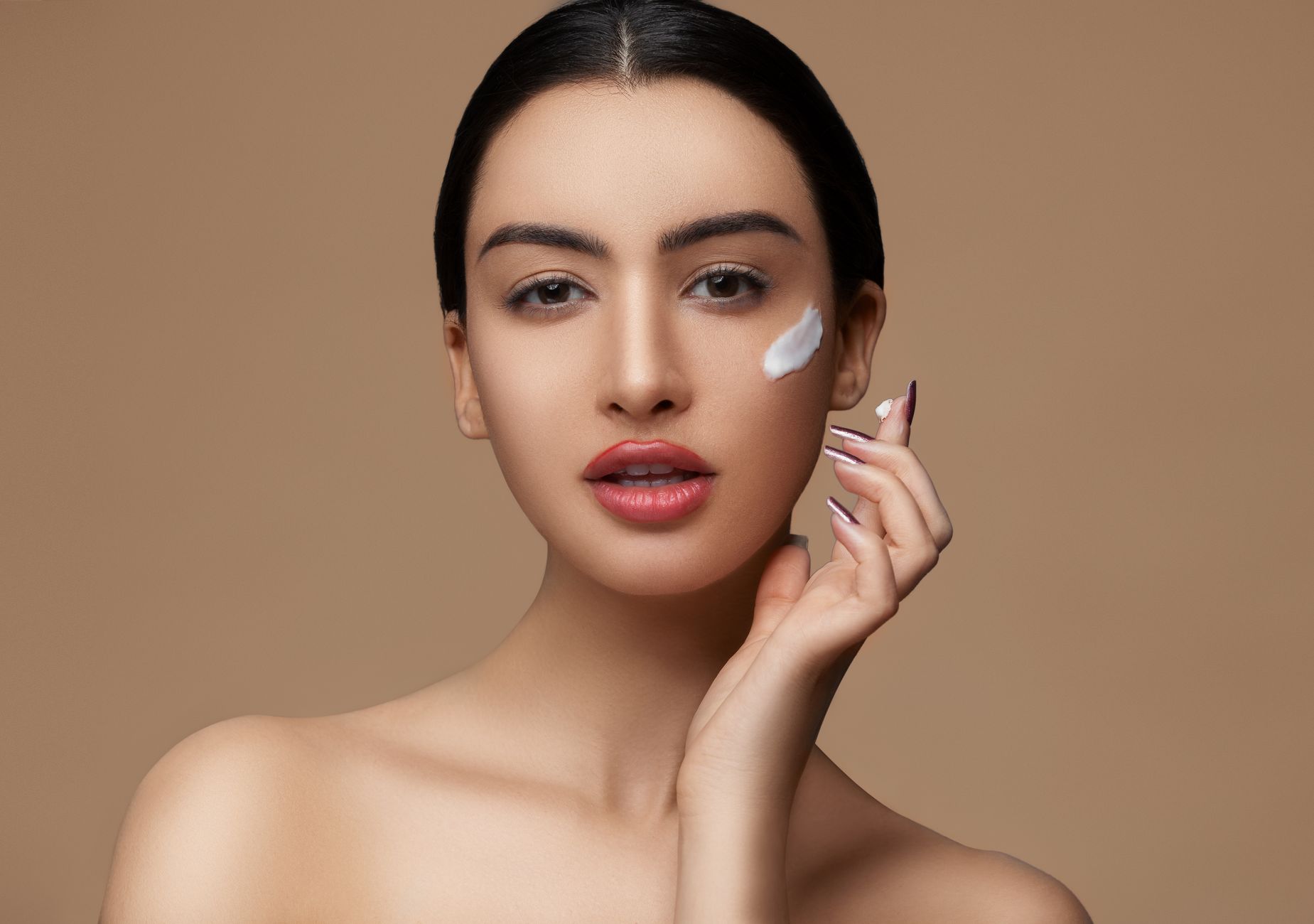
Primer Application Steps for Oily Skin:
- Start with clean, moisturized skin.
- Dispense a pea-sized amount of primer onto your fingertips.
- Gently pat or press the primer onto oily areas (T-zone, chin, forehead).
- Allow 1-2 minutes for the primer to fully set.
- Proceed with your foundation or concealer application.
Tips for All-Day Wear and Common Primer Mistakes
For extended wear, layer primer strategically and consider using setting powder and spray to lock in your makeup. Avoid applying too much primer, which can lead to pilling, and ensure your primer is compatible with your foundation for a seamless finish.
To maximize the benefits of your primer and achieve truly long-lasting makeup, consider these additional tips. After applying your foundation, lightly dust a translucent setting powder, especially on your T-zone, to further absorb oil and mattify. A setting spray can also help to fuse your makeup layers together and extend wear. Throughout the day, keep blotting papers handy to gently absorb any emerging shine without disturbing your makeup.
Be mindful of common mistakes. Using too much primer can cause your makeup to pill or look heavy. Not allowing the primer to set before applying foundation can dilute its effects. Also, ensure your primer and foundation are compatible; for example, a silicone-based primer generally pairs well with a silicone-based foundation, while a water-based primer works best with water-based foundations to prevent separation. If you experience persistent skin irritation, allergies, or have underlying skin c
By incorporating these techniques and choosing the right products, you can significantly improve your makeup's performance on oily skin, enjoying a fresh, matte look that lasts.
Common Primer Types for Oily Skin
| Primer Type | Key Benefit | Ideal For |
|---|---|---|
| Mattifying Primer | Absorbs excess oil and reduces shine throughout the day. | All-over oil control, especially in the T-zone. |
| Pore-Minimizing Primer | Blurs the appearance of enlarged pores and creates a smoother skin surface. | Visible pores, textured skin, creating a 'soft-focus' effect. |
| Oil-Free/Silicone-Based Primer | Creates a smooth barrier, helps makeup glide on, and prevents makeup breakdown. | General oily skin, achieving a silky texture, increasing makeup longevity. |
People also ask
Makeup FAQ
Can I skip primer if I have oily skin?
While you can, primer significantly helps control shine and extend makeup wear for oily skin. Skipping it often leads to makeup breaking down faster and increased oiliness throughout the day, requiring more frequent touch-ups.
How much primer should I use for oily skin?
A pea-sized amount is usually sufficient for the entire face. For targeted areas like the T-zone, you might need even less. Using too much primer can cause pilling, make your makeup look heavy, and potentially clog pores.
What ingredients should I look for in a primer for oily skin?
Look for ingredients like silica, dimethicone, kaolin clay, or gentle concentrations of salicylic acid. These components help absorb oil, mattify the skin, and blur pores. Always ensure the product is labeled as oil-free.