Quick answer
Protecting hair from heat damage involves using heat protectant sprays, styling at lower temperatures, minimizing frequency, and nourishing strands with deep conditioning. Air drying when possible and shielding hair from direct sun exposure also contribute significantly to maintaining hair health.
Prepare Your Hair Before Applying Heat
Proper preparation is crucial to minimize heat damage before styling. This involves washing, conditioning, and applying a quality heat protectant to create a protective barrier.
Before reaching for any heat tools, start with clean, well-conditioned hair. Washing removes product buildup, allowing your heat protectant to adhere better. Follow with a conditioner to moisturize and detangle, making your hair more pliable and less prone to breakage during styling.
The most important step in preparation is applying a heat protectant spray or cream. These products create a thermal barrier that reduces direct heat transfer to your hair strands. Look for ingredients like silicones, polymers, and natural oils that can withstand high temperatures. Distribute it evenly from roots to ends on damp hair before blow-drying, or on dry hair if you are using a curling iron or straightener.

Master Smart Styling Techniques and Product Choices
Using lower heat settings, styling on fully dry hair, and choosing appropriate tools are key to reducing thermal stress. Products specifically designed for heat protection also play a vital role in safeguarding your strands.
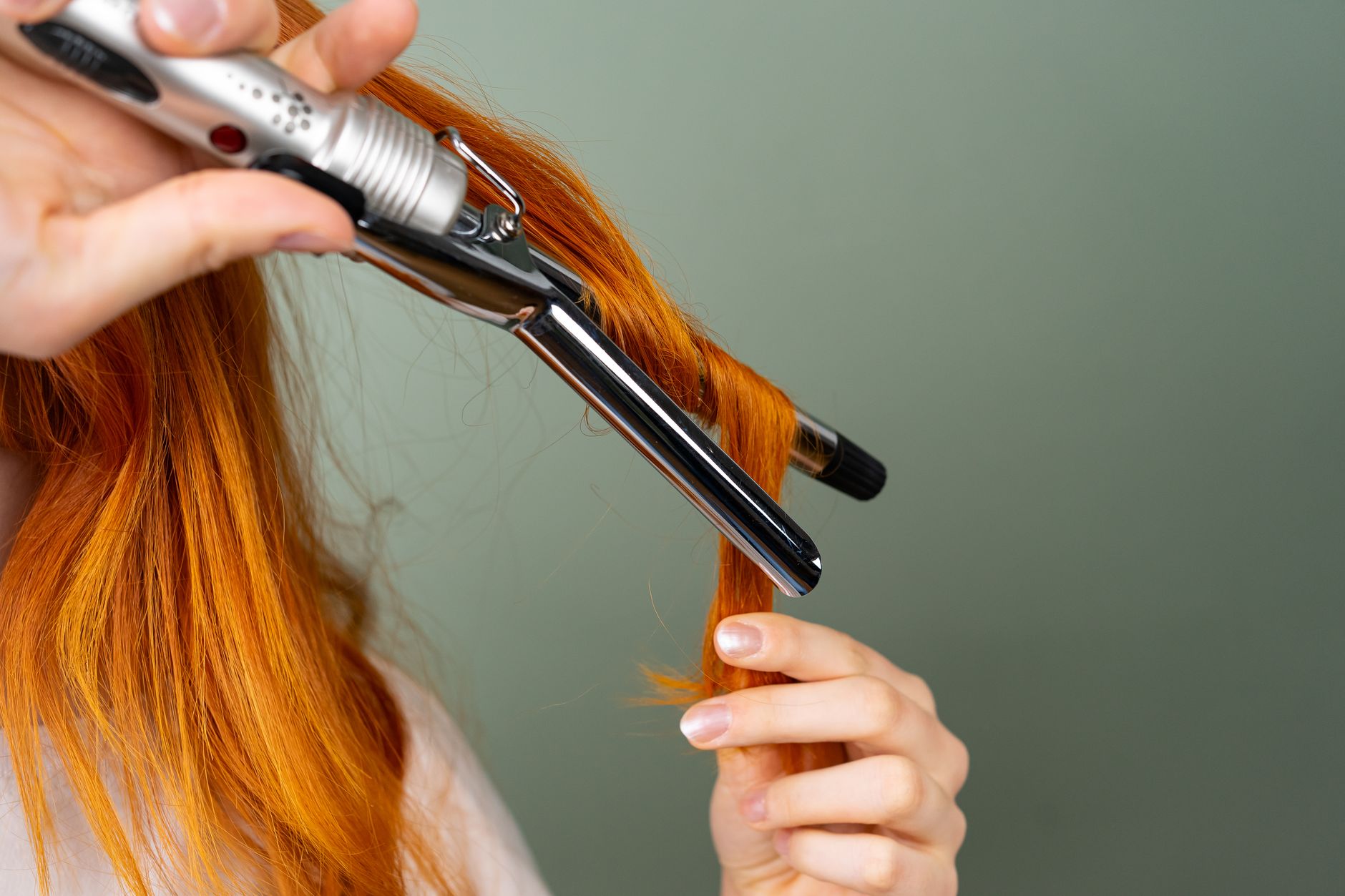
When using heat tools, always opt for the lowest effective temperature setting for your hair type. High heat can strip moisture and cause cuticle damage quickly. Work in small sections, making quick, smooth passes with your tools rather than holding them on one spot for too long. Ensure your hair is completely dry before using flat irons or curling irons, as styling wet or damp hair with high heat can cause severe damage.
Invest in quality heat tools with ceramic or tourmaline plates, which distribute heat more evenly and reduce hot spots. Additionally, consider products beyond just heat protectants. Deep conditioning treatments and leave-in conditioners can help maintain moisture and elasticity, making your hair more resilient to future heat exposure. Just as paying attention to ingredients is important for what we consume, like checking `pawdishy.com/homemade-pet-recipe-ingredients` for simple pet food
Everyday Habits for Long-Term Hair Protection
Protecting your hair extends beyond styling tools to include daily habits like air drying, gentle handling, and shielding from environmental factors. Consistent care supports overall hair resilience and minimizes damage.
Reduce your reliance on heat styling by air drying your hair whenever possible. Embrace your natural texture or explore heat-free styling methods like braids or rollers. When you do style, use a wide-tooth comb to detangle gently, especially when wet, as hair is most fragile at this point. Minimize friction by using silk pillowcases or wrapping your hair in a soft turban.
Environmental factors like sun exposure, wind, and pollution can also contribute to hair damage. Protect your hair from harsh UV rays by wearing a hat or using hair products with UV filters when spending time outdoors. Regular trims every 6-8 weeks help remove split ends, preventing them from traveling up the hair shaft and causing further damage, thus maintaining overall hair health.
Recommended Heat Settings for Different Hair Types
| Hair Type | Recommended Temperature Range (Fahrenheit) | Key Consideration |
|---|---|---|
| Fine/Damaged | 250-300 | Always use the lowest effective heat to prevent further stress. |
| Normal/Medium | 300-350 | Start low and increase gradually if needed for desired style. |
| Thick/Coarse | 350-400 | Ensure even heat distribution and avoid prolonged contact. |
People also ask
Hair FAQ
Can heat damage be completely reversed?
While heat damage cannot be fully reversed, you can significantly improve hair appearance and health through consistent deep conditioning treatments, reducing heat exposure, and regular trims to remove damaged ends over time.
How often should I use heat on my hair?
Aim to limit heat styling to once or twice a week to give your hair a break. Allowing your hair to air dry and embracing natural textures more often helps reduce cumulative damage and maintain its integrity.
Are natural heat protectants effective?
Some natural oils like argan, grapeseed, or coconut can offer mild conditioning and a degree of barrier protection. However, they generally do not provide the same comprehensive thermal protection as scientifically formulated heat protectant products designed to withstand high temperatures.