Quick answer
Managing oily skin involves a consistent routine using gentle cleansers, lightweight moisturizers, and oil-absorbing ingredients. Focus on balancing skin hydration without over-stripping, incorporating targeted treatments, and protecting your skin daily to minimize shine and breakouts.
What Causes Oily Skin?
Oily skin results from overactive sebaceous glands producing excess sebum, influenced by genetics, hormones, diet, and environment. Understanding these factors is the first step toward effective management.
Oily skin, characterized by a shiny complexion and enlarged pores, is a common skin type. It occurs when your sebaceous glands, located just beneath the skin's surface, produce an abundance of sebum. Sebum is a natural oily substance that helps protect and hydrate your skin, but too much can lead to clogged pores, breakouts, and a greasy feel.
Several factors contribute to oily skin. Genetics play a significant role; if your parents have oily skin, you are more likely to as well. Hormonal fluctuations, particularly during puberty, menstruation, or stress, can also trigger increased oil production. Environmental factors like humidity and even certain medications or diet choices might influence how much oil your skin produces.

Common Signs of Oily Skin
- A shiny or greasy appearance, especially in the T-zone (forehead, nose, chin)
- Enlarged or visibly open pores
- Frequent blackheads, whiteheads, or pimples
- Makeup that tends to slide off or crease easily
Crafting an Effective Oily Skin Routine
A consistent daily skincare routine is crucial for managing oily skin, focusing on gentle cleansing, targeted treatment, and lightweight hydration without over-drying. This balance helps regulate oil production and maintain skin health.
The goal for oily skin is not to strip away all oil, which can lead to your skin producing even more sebum to compensate. Instead, focus on balancing oil production and keeping pores clear. Start your day with a gentle cleanser formulated for oily skin. Look for ingredients like salicylic acid or witch hazel to help dissolve oil and purify pores without causing irritation.
After cleansing, a light, alcohol-free toner can help remove residual impurities and prepare your skin for subsequent products. Follow with a serum containing ingredients like niacinamide or hyaluronic acid, which can help regulate oil and provide hydration without adding heaviness. Always finish with a non-comedogenic, oil-free moisturizer, even if your skin feels oily. Skipping moisturizer can trick your skin into producing more oil to compensate for dryness.
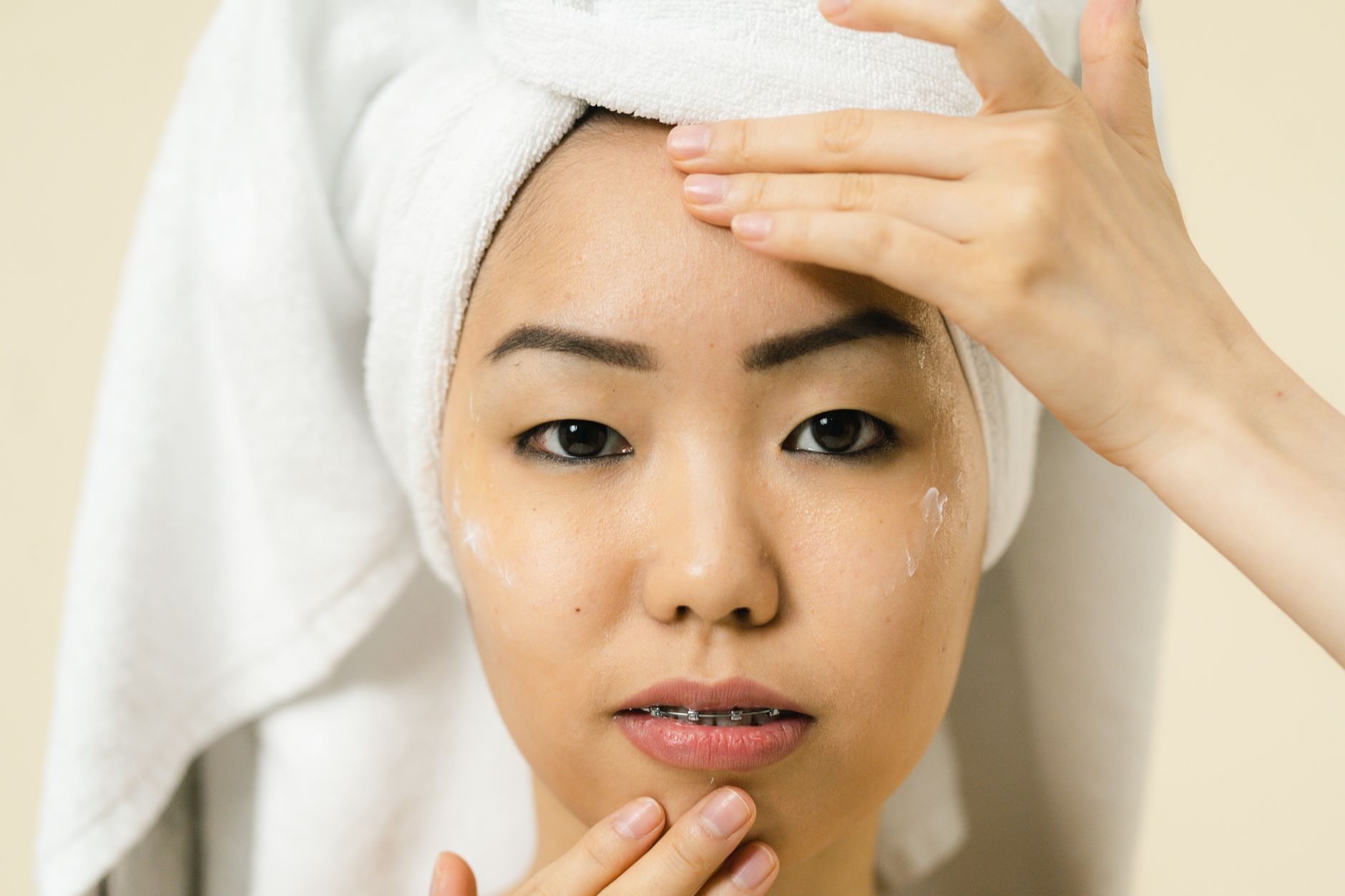
Morning and Evening Routine Essentials
- Morning:
- Cleanse with a gentle, foaming or gel cleanser.
- Apply an antioxidant serum (e.g., Vitamin C) to protect against environmental damage.
- Follow with a lightweight, oil-free moisturizer.
- Finish with a broad-spectrum, non-comedogenic SPF 30 or higher.
- Evening:
- Double cleanse to remove makeup, sunscreen, and impurities.
- Apply a targeted treatment serum (e.g., salicylic acid, niacinamide, or a retinoid).
- Hydrate with a non-comedogenic, lightweight night cream or gel moisturizer.
Selecting the Right Products and Habits
Choosing non-comedogenic, oil-free skincare products with active ingredients like salicylic acid or niacinamide is key for oily skin, alongside lifestyle adjustments that support overall skin balance. These choices help manage shine and promote a clearer complexion.
When selecting products for oily skin, always look for labels that say non-comedogenic, oil-free, or formulated for oily/acne-prone skin. These products are designed not to clog pores or add excess oil. Matte-finish primers and foundations can also help control shine throughout the day. Consider incorporating clay masks once or twice a week to absorb excess oil and purify pores.
Beyond products, lifestyle choices can impact your skin's oil production. Staying hydrated by drinking plenty of water helps maintain skin balance. Managing stress, getting adequate sleep, and eating a balanced diet rich in fruits, vegetables, and lean proteins can also contribute to healthier skin. Remember to clean your phone screen regularly and avoid touching your face excessively to prevent transferring oils and bacteria. If you experience persistent irritation, allergies, or severe skin co
Smart Product Choices for Oily Skin
- Cleansers: Gel or foaming cleansers with salicylic acid or benzoyl peroxide.
- Toners: Alcohol-free formulas with witch hazel or glycolic acid.
- Serums: Niacinamide, hyaluronic acid, or salicylic acid serums.
- Moisturizers: Lightweight, gel-based, or fluid moisturizers labeled oil-free.
- Sunscreen: Mineral-based (zinc oxide, titanium dioxide) or chemical sunscreens with a matte finish.
- Masks: Clay-based masks for weekly oil absorption.
Key Skincare Ingredients for Oily Skin
| Ingredient | Benefit | Product Type |
|---|---|---|
| Salicylic Acid (BHA) | Exfoliates pores, reduces oil | Cleansers, toners, serums |
| Niacinamide (Vitamin B3) | Reduces sebum production, minimizes pore appearance | Serums, moisturizers |
| Hyaluronic Acid | Hydrates without heaviness, prevents overcompensation | Serums, gel moisturizers |
| Clay (Kaolin, Bentonite) | Absorbs excess oil, detoxifies pores | Masks |
| Retinoids (OTC strength) | Regulates cell turnover, reduces oiliness over time | Serums, night creams |
People also ask
Skincare FAQ
Can oily skin be dehydrated?
Yes, oily skin can indeed be dehydrated. Dehydration is a lack of water, not oil, and can cause your skin to produce more oil to compensate, leading to a greasy yet tight feeling. Using gentle, hydrating products can help.
Should I avoid moisturizer if I have oily skin?
No, you should not avoid moisturizer. Skipping moisturizer can signal your skin to produce more oil to compensate for perceived dryness. Choose a lightweight, oil-free, non-comedogenic moisturizer to keep your skin balanced and hydrated.
How often should I wash my face if I have oily skin?
Washing your face twice daily, once in the morning and once in the evening, is generally sufficient for oily skin. Over-washing can strip your skin of its natural oils, potentially leading to increased oil production and irritation.