Quick answer
If you want to fix dry lips without chapstick, use a simple fragrance-free occlusive such as plain petroleum jelly to reduce moisture loss. Drink enough fluids, avoid licking or picking your lips, protect them from sun and dry air, and stop using anything that burns, stings, or seems to worsen irritation.
What can you put on dry lips if you do not have chapstick?
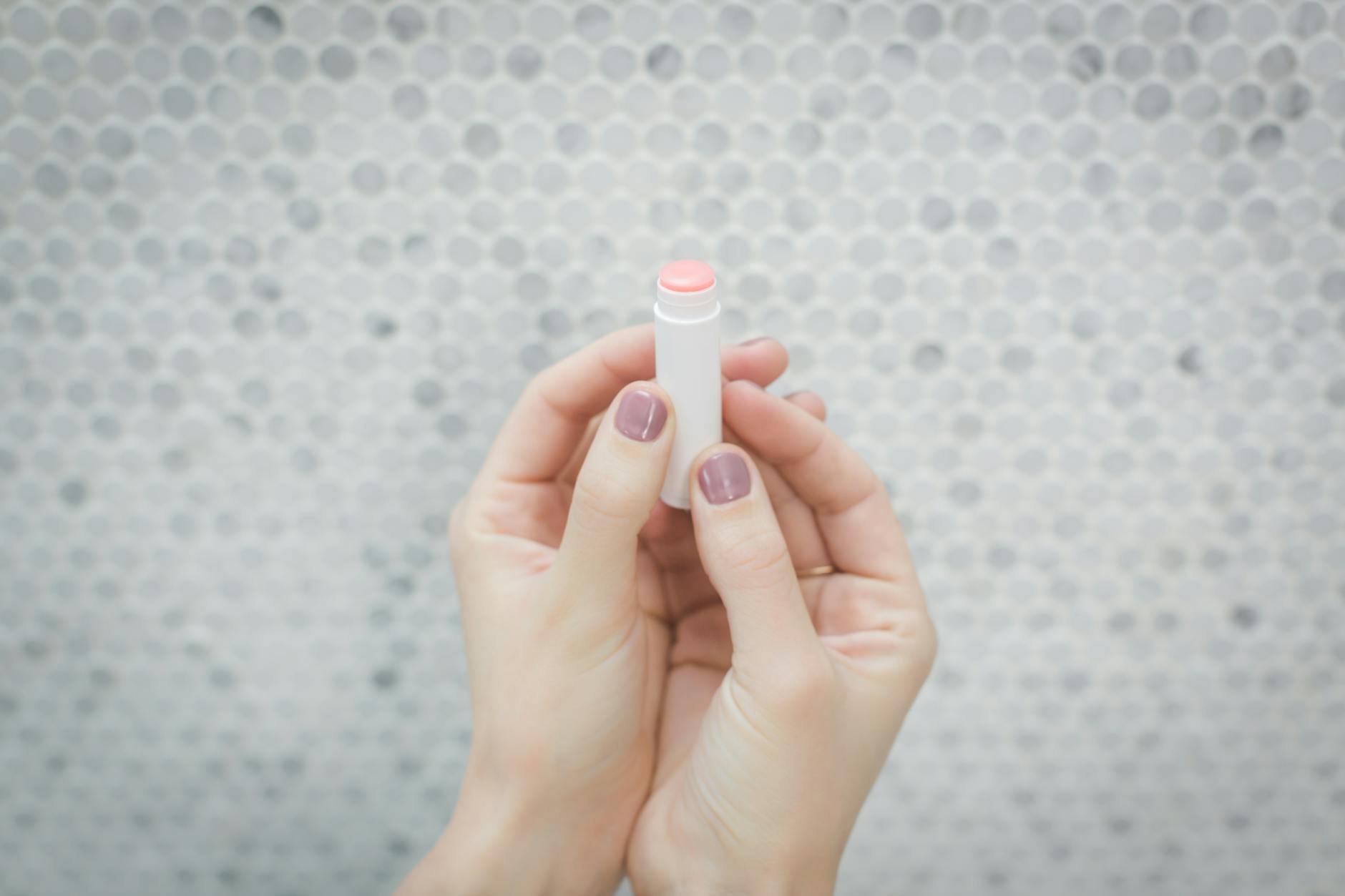
A plain, fragrance-free occlusive such as white petroleum jelly is a practical chapstick alternative because it helps slow moisture loss from the lip surface. Apply a thin layer whenever your lips feel dry and before bed, especially after washing your face.
The American Academy of Dermatology recommends thick ointments such as white petroleum jelly for very dry, cracked lips because ointments can seal in water longer than waxes or oils. Keep the routine simple: use clean hands, apply a small amount, and stop using any product that causes burning, stinging, or tingling.
Simple routines often work best when you change one thing at a time and pay attention to ingredients. That same slow, ingredient-aware approach appears in home-care resources such as [pawdishy.com/homemade-pet-recipe-ingredients/](https://pawdishy.com/homemade-pet-recipe-ingredients ), although your lip routine should stay focused on products intended and considered appropriate for human skin.
A simple no-chapstick routine
- Apply a thin layer of plain petroleum jelly to clean lips.
- Reapply after eating, drinking, or washing if your lips feel dry again.
- Use a slightly thicker layer before bed if indoor air is dry.
- Stop any product that causes noticeable burning, stinging, or worsening irritation.
Which everyday habits make dry lips feel worse?
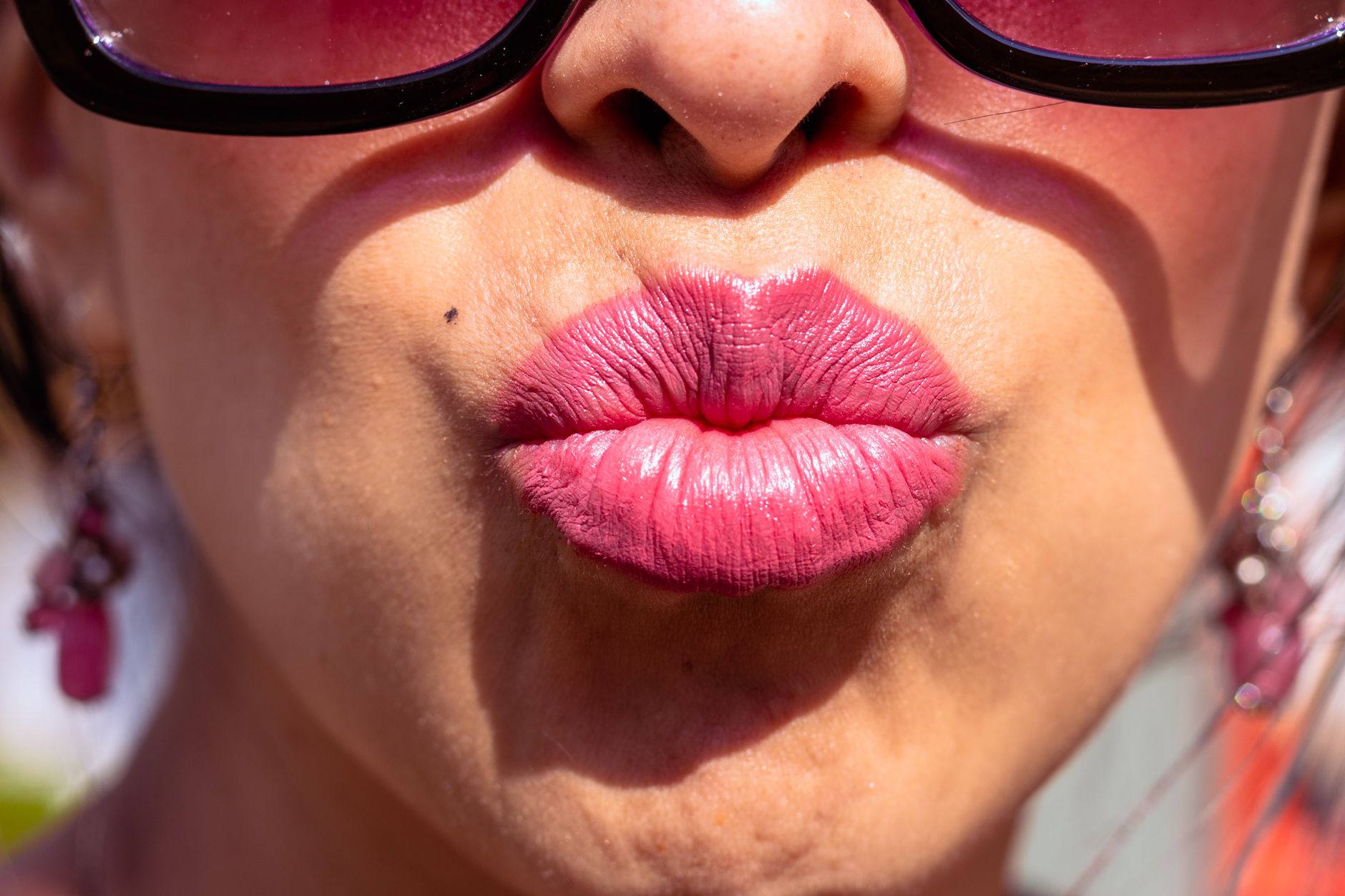
Licking, biting, and picking can keep already dry lips irritated, while flavored or strongly scented products may also be uncomfortable on chapped skin. Reducing these triggers is often as important as adding moisture.
Licking may feel soothing for a moment, but saliva evaporates and can leave the lips feeling drier. Biting or pulling away loose skin can add more irritation, so resist the urge to peel flakes and let softened skin loosen naturally instead.
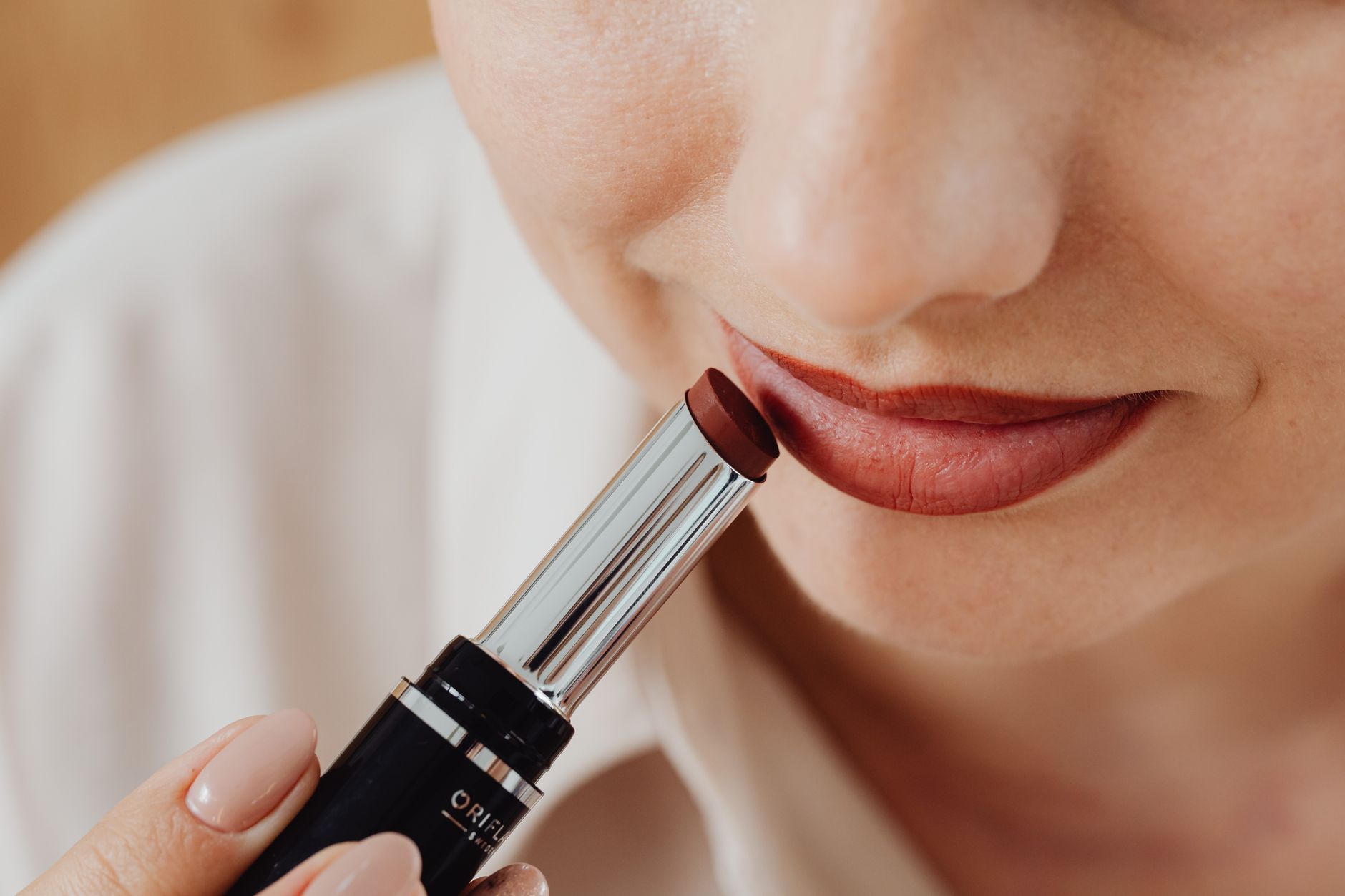
Check anything that regularly touches your lips. The American Academy of Dermatology advises avoiding potentially irritating ingredients while lips are chapped, including fragrance and certain flavorings such as cinnamon, citrus, mint, and peppermint. A bland routine is easier to assess because there are fewer possible irritants.
Habits worth changing
- Notice when you lick your lips and replace the habit with a bland occlusive.
- Do not pull or bite loose skin.
- Pause strongly flavored, fragranced, or tingling lip products while lips are irritated.
- Use a humidifier if your bedroom air feels especially dry.
How do hydration and sun protection fit into a no-chapstick routine?
Regular fluid intake can help if you are not drinking enough, while sun protection matters because dry lips can be especially uncomfortable after sun exposure. You can skip traditional chapstick without skipping lip protection altogether.
Drink according to your normal needs rather than trying to force excessive amounts of water. Hydration alone will not replace an occlusive layer on the lips, but staying adequately hydrated supports a sensible overall routine.
For time outdoors, use a non-irritating lip product with SPF 30 or higher, ideally with zinc oxide or titanium dioxide if those ingredients suit you. If you specifically avoid all lip products, physical shade from a wide-brimmed hat can reduce exposure, but it does not provide the same direct coverage. Persistent cracking, repeated swelling, marked irritation, or suspected allergy or skin disease should be discussed with a qualified healthcare professional or dermatologist.
Simple options for caring for dry lips without chapstick
| What to try | Why it may help | What to avoid |
|---|---|---|
| Plain petroleum jelly | Forms an occlusive layer that helps reduce moisture loss | Flavored or fragranced products if they sting |
| Regular water intake | Supports normal hydration when you are not drinking enough | Relying on constant lip licking for moisture |
| Lip-safe SPF 30 or higher | Helps protect already dry lips from sun exposure | Skipping protection during extended outdoor time |
| Bedroom humidifier | Adds moisture to dry indoor air | Very dry heated or air-conditioned air when avoidable |
People also ask
Skincare FAQ
Can I use petroleum jelly instead of chapstick?
Yes. Plain white petroleum jelly is a simple occlusive option that can help reduce moisture loss from dry lips. Choose a fragrance-free version and stop using it if you notice irritation.
Does drinking more water fix dry lips?
Drinking enough fluid can help if you are dehydrated, but dry lips can also be influenced by weather, licking, irritation, and moisture loss from the surface. Combine normal hydration with gentle topical protection and better lip habits.
Why are my lips still dry even when I moisturize them?
A product may be irritating your lips, or habits such as licking and picking may be keeping them uncomfortable. Dryness that persists despite a simple routine, or comes with swelling, rash, repeated cracking, or other symptoms, is worth discussing with a qualified professional.