Quick answer
To fix dry lips naturally, keep the routine simple: moisturize with a bland, non-irritating balm, stop licking or picking, drink enough water, and protect your lips from wind, dry air, and sun. Avoid flavored or strongly scented products if they sting. Persistent irritation deserves professional evaluation.
What is the gentlest way to add moisture to dry lips?
Start with a simple, non-irritating lip moisturizer and reapply it whenever your lips begin to feel dry. A thicker bland ointment can be useful when lips are especially dry because it helps reduce moisture loss.
Natural lip care does not need to mean applying lots of plant extracts, essential oils, or homemade mixtures. When lips are already dry and sensitive, a short ingredient list and a product that feels comfortable can be more useful than constantly trying new remedies.
Pay attention to how your lips respond rather than assuming tingling means a product is working. The American Academy of Dermatology advises stopping products that cause burning, stinging, or discomfort and notes that ingredients such as fragrance, menthol, camphor, eucalyptus, and some strong flavorings can irritate chapped lips.
Build a low-irritation moisture routine
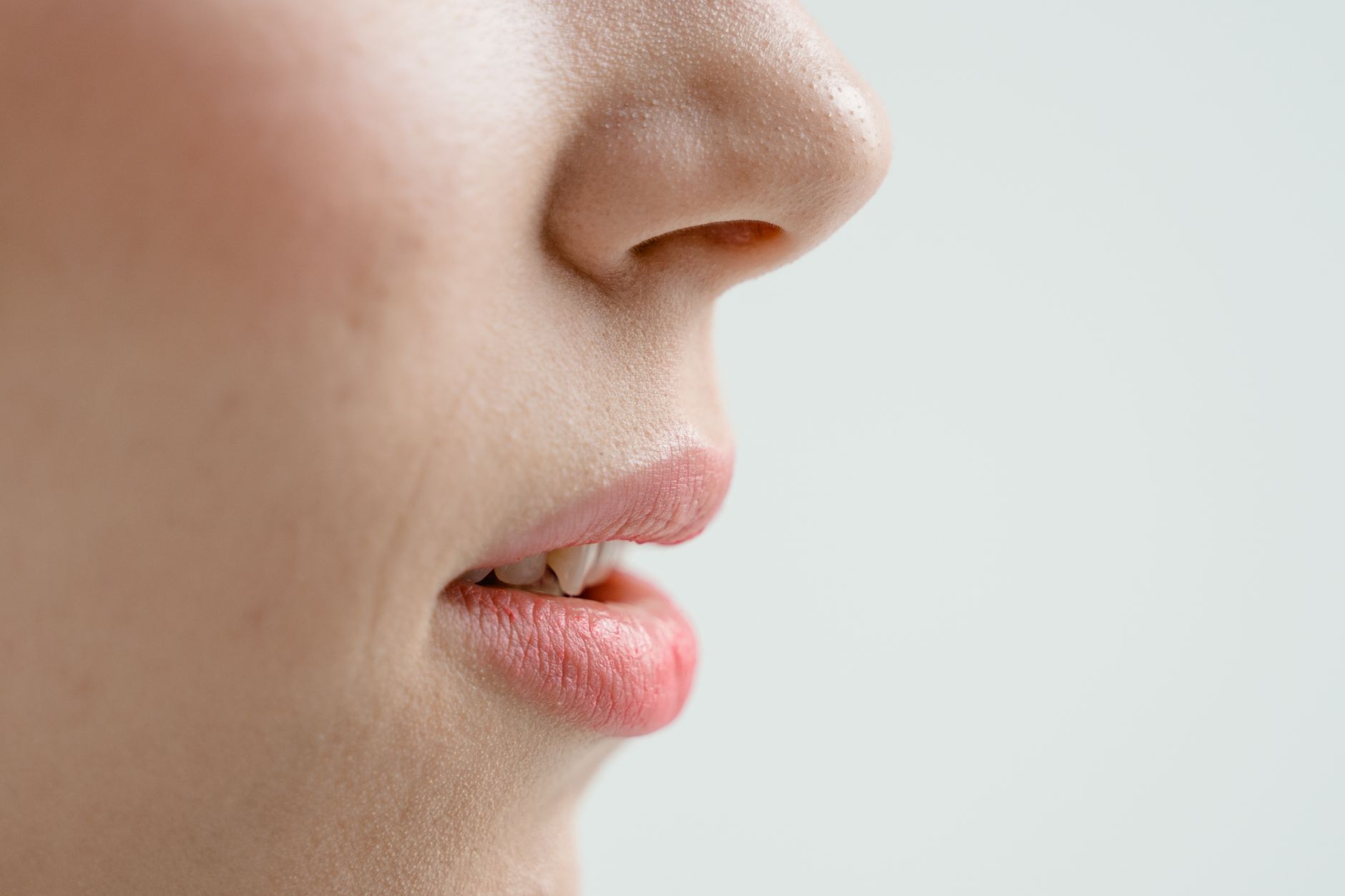
- Apply a bland lip moisturizer when your lips first start to feel tight or dry.
- Reapply before bed so your lips are protected overnight.
- Choose fragrance-free products when possible if your lips are easily irritated.
- Stop using anything that causes burning, stinging, or persistent discomfort.
- Skip aggressive scrubbing while the lip surface is dry or cracked.
Which everyday habits can make dry lips worse?
Lip licking, biting, picking, and constantly switching products can keep dry lips irritated. Replacing those habits with gentle moisturizing and leaving flaky skin alone gives the lip surface a calmer environment.
Licking dry lips can feel soothing for a moment, but the relief is temporary. As saliva evaporates, lips may feel drier again, which can start a cycle of licking and discomfort. Keeping a plain balm nearby gives you something gentler to do when you notice the urge to lick.
Picking loose skin can also create more tenderness. Instead of peeling flakes away, focus on keeping the area moisturized and letting rough skin shed on its own. Hydration matters for general wellbeing too, although drinking extra water is not a substitute for protecting the surface of the lips.
Habits worth changing first
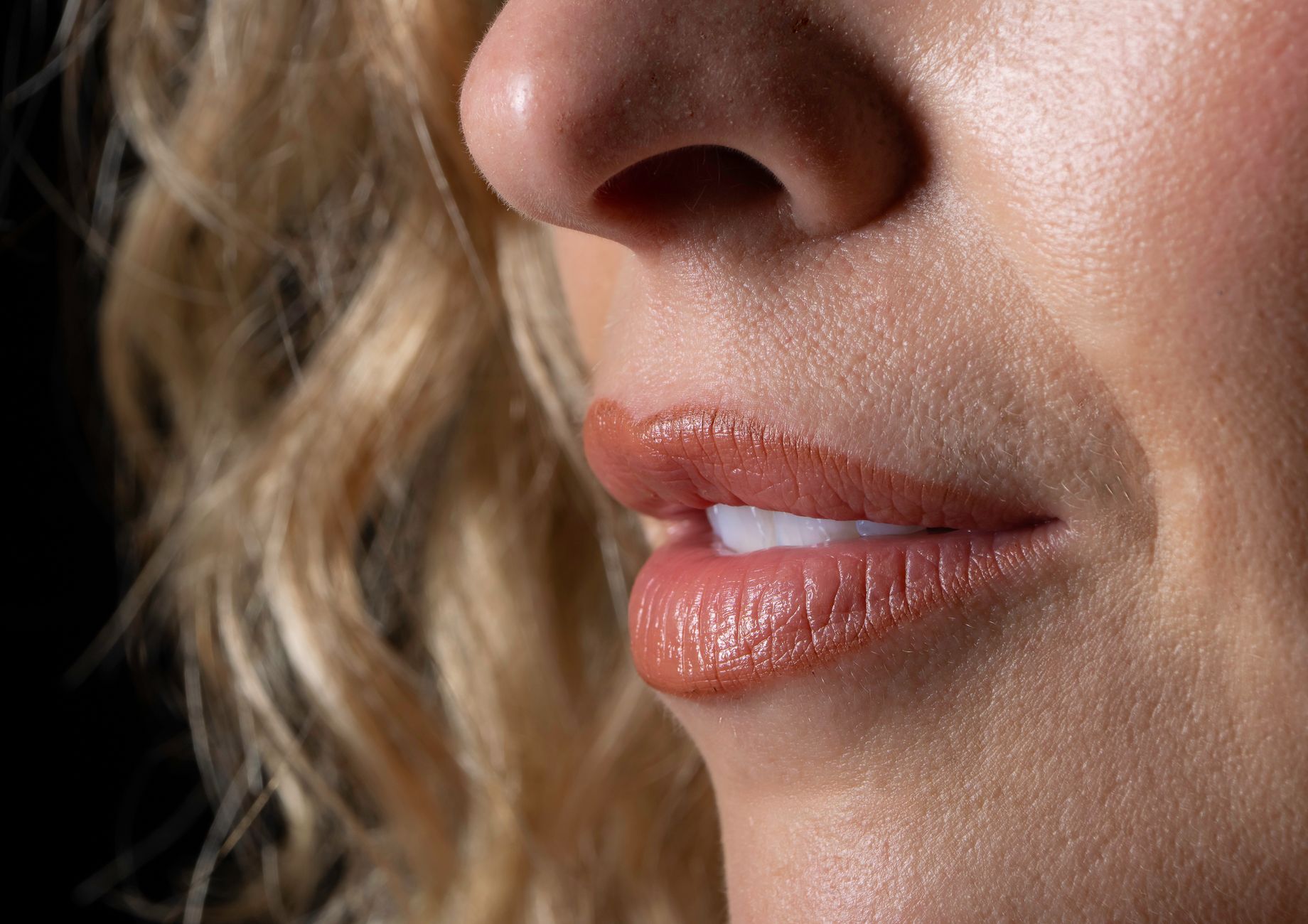
- Apply moisturizer instead of licking your lips.
- Do not bite or pull at peeling skin.
- Avoid rubbing lips with rough towels or toothbrushes.
- Pause new flavored or fragranced lip products while irritation settles.
- Keep frequently used balm somewhere easy to reach so the routine stays consistent.
How should you protect naturally dry lips outdoors and know when home care is enough?
Protect dry lips from sun, wind, cold air, and very dry indoor conditions while continuing your gentle moisture routine. If irritation keeps returning, becomes severe, or does not improve with simple care, a qualified professional can help identify another cause.
Outdoor exposure can make already dry lips feel tighter and more sensitive. Before going outside, use a comfortable lip product with broad-spectrum SPF 30 or higher, and reapply as directed. Covering the lower face with a soft scarf in cold or windy weather can also reduce direct exposure without adding more ingredients to the lips.
A humidifier can be useful when indoor air is particularly dry, especially if you sleep in a heated or air-conditioned room. Simple care is often reasonable for ordinary dryness, but ongoing cracking, swelling, rash-like irritation, suspected allergies, or repeated problems may need assessment by a dermatologist or another qualified healthcare professional.
Keep protection simple
- Use a non-irritating SPF 30 or higher lip product outdoors.
- Reapply sun protection during extended time outside.
- Shield lips from strong wind and cold when practical.
- Consider a humidifier if indoor air feels very dry.
- Seek professional advice for persistent irritation, suspected allergy, or an ongoing skin condition.
A simple guide to habits that can help dry lips feel more comfortable
| Habit | Why It Helps | What To Avoid |
|---|---|---|
| Apply a bland lip moisturizer regularly | Helps reduce moisture loss and keeps the lip surface protected | Products that burn, sting, or tingle |
| Replace lip licking with balm | Saliva evaporation can leave lips feeling even drier | Repeated licking, biting, or picking |
| Protect lips outdoors | Wind, dry air, and sun can make already dry lips more uncomfortable | Going outside with bare, irritated lips |
| Keep the routine simple | Fewer products make it easier to avoid unnecessary irritation | Frequent scrubs, strong flavors, and heavily fragranced products |
| Use a humidifier in very dry rooms | Adding moisture to indoor air may be useful when the environment is dry | Assuming more lip product alone will fix a dry environment |
People also ask
Skincare FAQ
Can you fix dry lips naturally without using lip balm?
Reducing licking, picking, wind exposure, and dry indoor air can help, but a simple moisturizer is often useful because it reduces moisture loss from the lip surface. Natural care does not have to mean avoiding every product.
Should you exfoliate dry lips with sugar?
Scrubbing is not necessary when lips are already irritated or cracked, and friction may make them feel more uncomfortable. A gentler approach is to moisturize consistently and allow loose skin to soften and shed without picking.
When should dry lips be checked by a dermatologist?
Consider professional help if dryness or irritation persists despite a simple routine, repeatedly returns, or comes with significant cracking, swelling, rash-like changes, or suspected reactions to products. A dermatologist can evaluate allergies, skin conditions, and other possible causes.