Quick answer
You can exfoliate your skin at home by choosing a gentle method, using it at the right frequency, and paying attention to how your skin feels. Physical exfoliants remove surface buildup with gentle contact, while chemical exfoliants use ingredients designed to loosen dead skin cells. Keep the routine simple and avoid combining too many active products.
How often should you exfoliate your skin at home?
Most people do not need to exfoliate every day. A simple schedule that fits your skin type and the product instructions is usually easier to maintain.
Exfoliation can be a useful part of a skincare routine because it helps remove dead skin cells from the surface. The goal is not to scrub away as much as possible, but to support a balanced routine without creating unnecessary irritation.
When learning how to exfoliate skin at home, start slowly. Pay attention to changes such as dryness, discomfort, or sensitivity, and avoid adding multiple exfoliating products at the same time.

Simple beginner approach
- Choose one exfoliation method first.
- Follow the product instructions instead of increasing use quickly.
- Keep the rest of your routine gentle while testing a new exfoliant.
What is the difference between physical and chemical exfoliation?
Physical exfoliation uses gentle friction, while chemical exfoliation uses specific ingredients to help remove dead skin cells. Both approaches can fit into a skincare routine when used carefully.
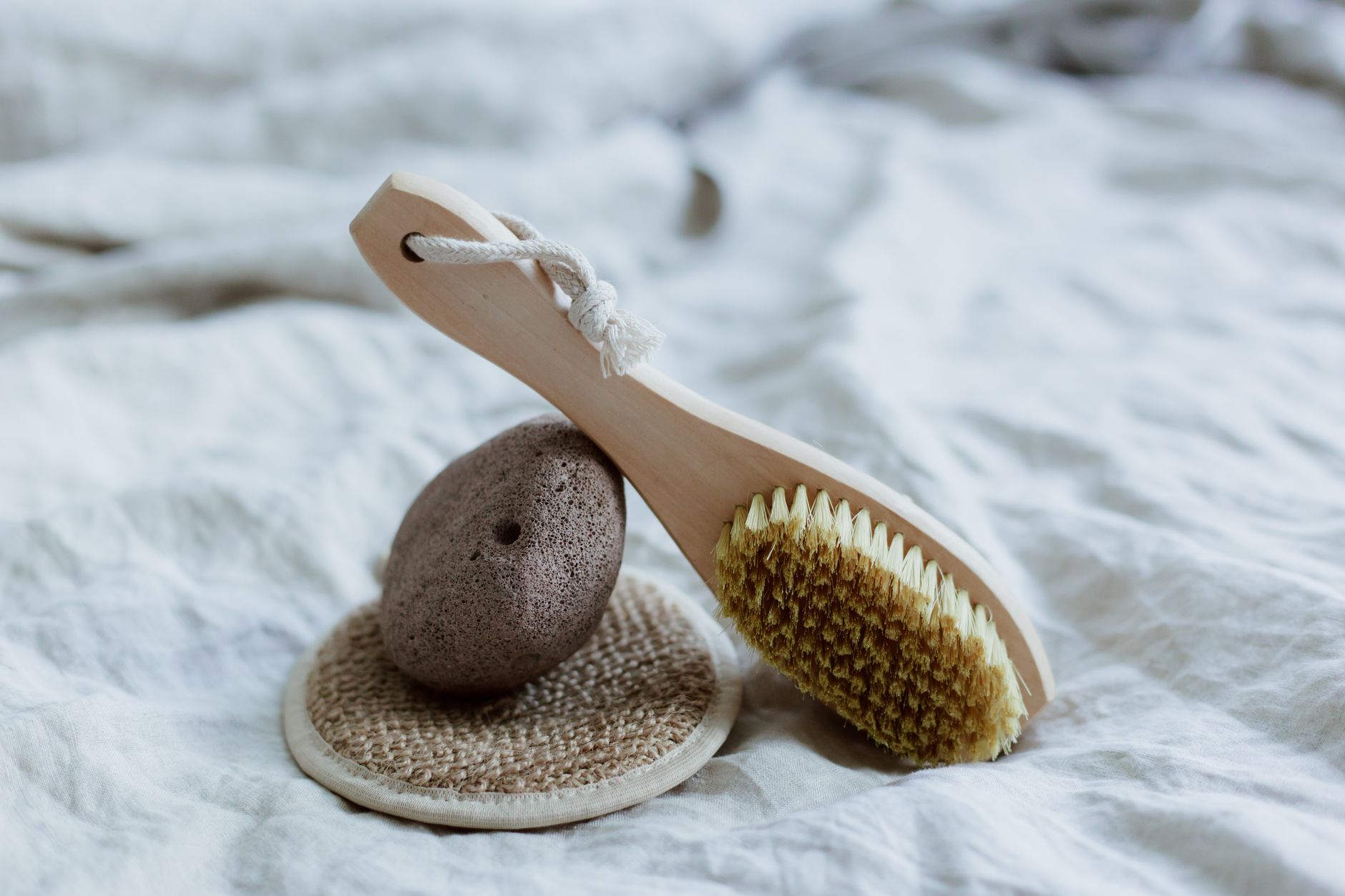
Physical exfoliation may include products with small particles or tools that create light surface contact. Gentle application matters because aggressive rubbing can make skin feel uncomfortable.
Chemical exfoliants work differently by using ingredients designed to loosen the connections between dead skin cells. Beginners often find it helpful to introduce one product slowly and avoid mixing several strong formulas together.
Common exfoliation mistakes to avoid
- Scrubbing harder because skin does not feel instantly smoother.
- Using several exfoliating products in the same routine.
- Ignoring dryness or irritation after changing products.
How can you build a simple exfoliation routine at home?
A good exfoliation routine starts with a gentle product, a realistic schedule, and a focus on how your skin responds. Simple routines are easier to adjust.
A basic routine can include cleansing, exfoliating when needed, and following with suitable skincare products. Keeping the number of steps manageable makes it easier to notice what works for you.
If you experience persistent irritation, allergic reactions, or ongoing skin concerns, consider speaking with a qualified skincare professional or dermatologist for guidance that fits your situation.
A practical routine checklist
- Cleanse skin before exfoliating.
- Apply exfoliant gently and avoid unnecessary friction.
- Use a simple follow-up skincare step that suits your skin.
Compare common exfoliation methods before adding one to your routine.
| Method | How It Works | Beginner Tip |
|---|---|---|
| Physical exfoliation | Uses gentle rubbing particles or tools to lift surface buildup. | Use light pressure and avoid harsh scrubbing. |
| Chemical exfoliation | Uses exfoliating ingredients that help loosen dead skin cells. | Introduce one product at a time and follow directions. |
| Gentle routine exfoliation | Focuses on consistency and avoiding unnecessary steps. | Adjust frequency based on how your skin responds. |
People also ask
Skincare FAQ
Can I exfoliate my skin at home every day?
Daily exfoliation is not necessary for most people. Using an exfoliant too often may make a routine harder to balance, so follow product directions and adjust based on how your skin responds.
Is physical or chemical exfoliation better for beginners?
Neither method is automatically better for everyone. Beginners can choose based on personal preference, product instructions, and how their skin reacts to the routine.
What should I do if exfoliating makes my skin uncomfortable?
Reduce or stop the exfoliating product and return to a simpler routine. For persistent irritation, allergies, or skin conditions, seek advice from a qualified professional.