Quick answer
Choose a gentle facial cleanser that removes daily buildup without leaving your skin tight, squeaky, hot, or uncomfortable. Texture is personal, so gel, cream, lotion, or low-foam formulas can all work if they rinse clean and feel comfortable afterward. If irritation keeps returning, speak with a dermatologist or another qualified professional.
What should you look for in a gentle facial cleanser?
Look for a cleanser that removes everyday buildup while leaving your skin comfortable after rinsing. A simple, non-abrasive formula and a pleasant after-wash feel matter more than dramatic foam or a squeaky-clean finish.
Start by thinking about what cleansing needs to accomplish in your routine. For most people, the goal is to remove sweat, surface oil, sunscreen, makeup residue, and everyday grime without making the skin feel scrubbed or depleted. The American Academy of Dermatology recommends using a gentle, non-abrasive cleanser that does not contain alcohol and applying it with the fingertips rather than scrubbing. That makes comfort during cleansing a useful part of your decision, not just the ingredient li
Pay close attention to your skin for several minutes after rinsing. A gentle facial cleanser should leave your face feeling comfortably clean rather than unusually tight, squeaky, rough, or hot. You do not need a heavy cream cleanser simply because gentle appears on the label, and you do not need to avoid every gel or foaming texture. Judge the complete experience, including how easily the cleanser spreads, how it rinses, and how your skin feels once it is dry.

A simple cleanser check
- Choose a texture you enjoy using consistently.
- Look for a gentle, non-abrasive formula.
- Wash with lukewarm water and your fingertips rather than scrubbing.
- Notice how your skin feels after rinsing and drying.
Does cleanser texture matter?
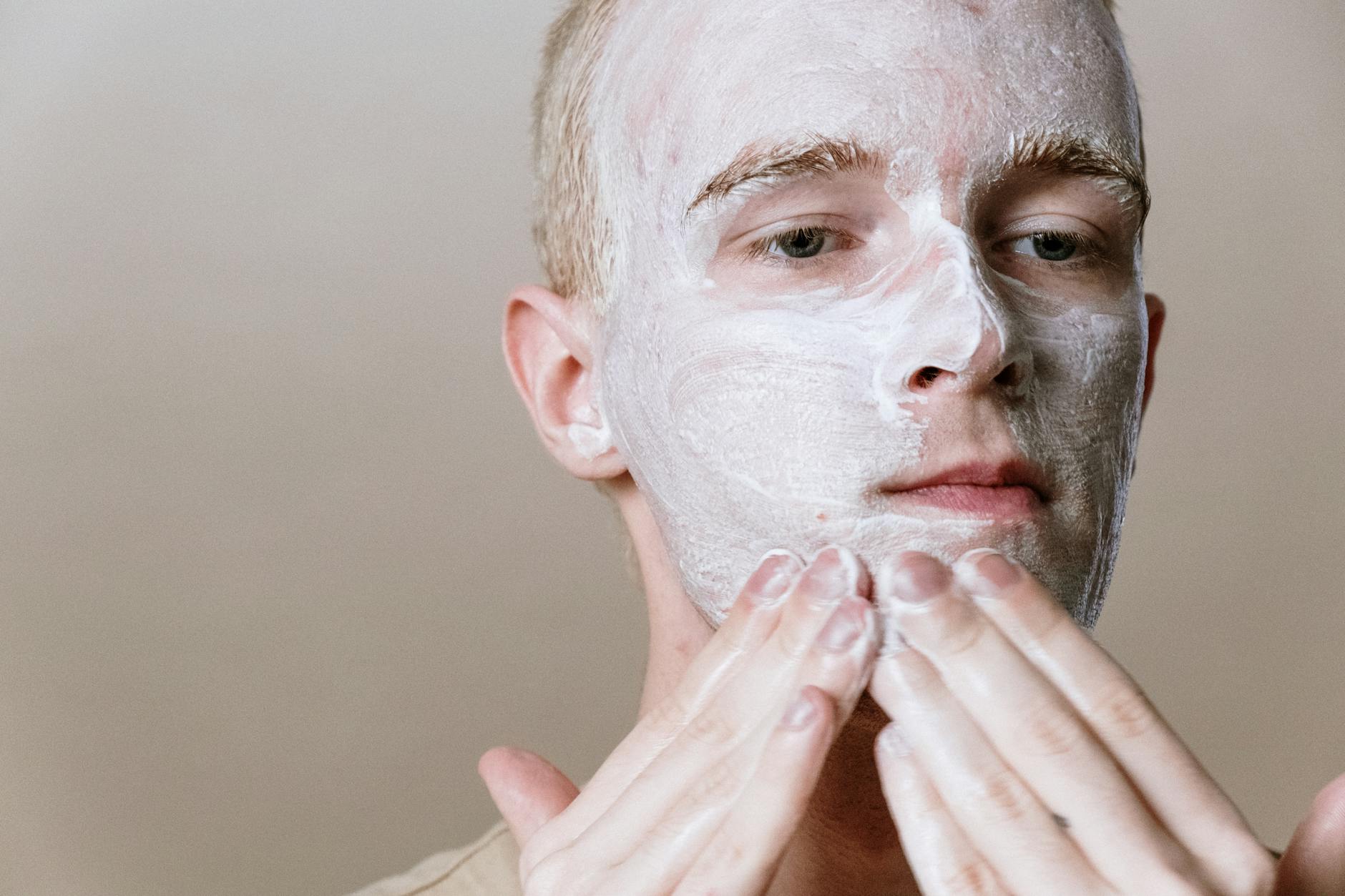
Texture matters mainly because it affects how a cleanser feels, spreads, rinses, and fits into your routine. Creams, gels, low-foam washes, balms, and oils can all feel gentle when the finished formula suits your skin.
Cream and lotion cleansers often feel soft and cushioned, which can appeal to people who dislike a very foamy wash. Gel cleansers usually feel lighter and may rinse quickly, while low-foam formulas sit somewhere between the two. Balm and oil cleansers have a richer slip and are often chosen when removing makeup or water-resistant products is part of the routine. These texture differences can help you narrow your choices, but texture alone does not tell you whether a product will feel gentle on y
Instead of treating one texture as automatically better, match the cleanser to what you want to remove and how you want your skin to feel afterward. Someone wearing heavier makeup may want a different cleansing experience from someone washing a bare face in the morning. If a formula makes cleansing comfortable and leaves your skin feeling normal rather than stripped, that practical feedback is more useful than chasing a particular amount of foam.
Match texture to your routine
- Try cream or lotion textures if you prefer a cushioned wash.
- Try gel or low-foam textures if you prefer a lighter rinse.
- Consider balm or oil textures when your routine includes products that are harder to remove.
- Judge the formula by comfort before, during, and after washing.
How can you tell if a cleanser is too stripping?
A cleanser may be too stripping for you if your skin repeatedly feels tight, unusually dry, rough, hot, or uncomfortable soon after washing. Persistent irritation deserves more attention than a temporary fresh feeling.
The easiest clue is the difference between clean and uncomfortable. A strong squeaky sensation is not proof that a cleanser works better. If your face regularly feels stretched when you move it, becomes noticeably rough after washing, or makes you want to apply moisturizer immediately just to restore comfort, the formula or cleansing method may be too aggressive for your routine. Scrubbing, hot water, abrasive tools, and washing more often than necessary can also contribute to discomfort, so con
If discomfort appears after switching cleansers, simplify the routine and pay attention to whether the same reaction happens each time you use it. Do not keep pushing through persistent burning, itching, swelling, or irritation because you expect your skin to adjust. Stop using a product that is causing significant discomfort. For ongoing irritation, suspected allergies, or an existing skin condition that complicates product choices, ask a dermatologist or another qualified professional for indi
Signs to reconsider your cleanser
- Repeated tightness after your face dries
- A rough or overly squeaky after-wash feel
- Ongoing stinging, heat, itching, or discomfort
- Irritation that continues even after you simplify your cleansing routine
Common cleanser textures and what to notice while choosing
| Cleanser texture | What it usually feels like | What to check after rinsing |
|---|---|---|
| Cream or lotion | Soft, cushioned, and often low-foam | Skin should feel clean and comfortable rather than coated or tight |
| Gel | Lightweight and easy to spread | Check that the fresh feeling does not turn into dryness or tightness |
| Low-foam wash | Produces a small amount of lather | Skin should not feel squeaky, rough, or uncomfortable afterward |
| Balm or oil cleanser | Rich and slippery while massaging | Make sure it removes what you need without leaving an uncomfortable residue |
People also ask
Skincare FAQ
Should a gentle facial cleanser foam?
It can, but foam is not a requirement for effective cleansing. Low-foam and non-foaming cleansers can work well too. Focus on whether the cleanser removes what you need it to remove and leaves your skin feeling comfortable rather than tight or irritated.
Is a cream cleanser always gentler than a gel cleanser?
No. Texture can influence how a cleanser feels, but the complete formula matters more. A gel cleanser can feel very comfortable, while a cream cleanser may not suit everyone. Compare how each product feels while washing and after your skin has dried.
What should I do if every cleanser seems to irritate my skin?
Keep your routine simple and avoid scrubbing, abrasive tools, and very hot water while you work out what is causing the discomfort. If irritation is persistent, severe, related to allergies, or connected with a skin condition, speak with a dermatologist or another qualified professional.