
Quick answer
To care for extremely dry skin, use a gentle fragrance-free cleanser, keep showers short and lukewarm, and apply a rich moisturizer while your skin is still slightly damp. Avoid harsh scrubs, hot water, and heavily fragranced products. In cold weather, moisturize more often and protect exposed skin. Seek professional advice if irritation persists.
What is the gentlest daily routine for extremely dry skin?
A short, consistent routine is often easier on extremely dry skin than a shelf full of active products. Focus on gentle cleansing, prompt moisturizing, and avoiding habits that leave your skin feeling tight or irritated.
Start the morning by rinsing with lukewarm water or using a mild, fragrance-free cleanser if you need one. You do not need to cleanse aggressively to make your skin feel fresh. If your face feels tight immediately after washing, consider whether your cleanser is too harsh or whether you are washing more often than necessary.
After washing, gently pat your skin with a soft towel, leaving it slightly damp. Smooth on a moisturizer while that moisture is still present. Creams and ointments are often more suitable for very dry skin than thin lotions because they can help reduce moisture loss. Choose a product that feels comfortable, and reapply to dry areas whenever needed.
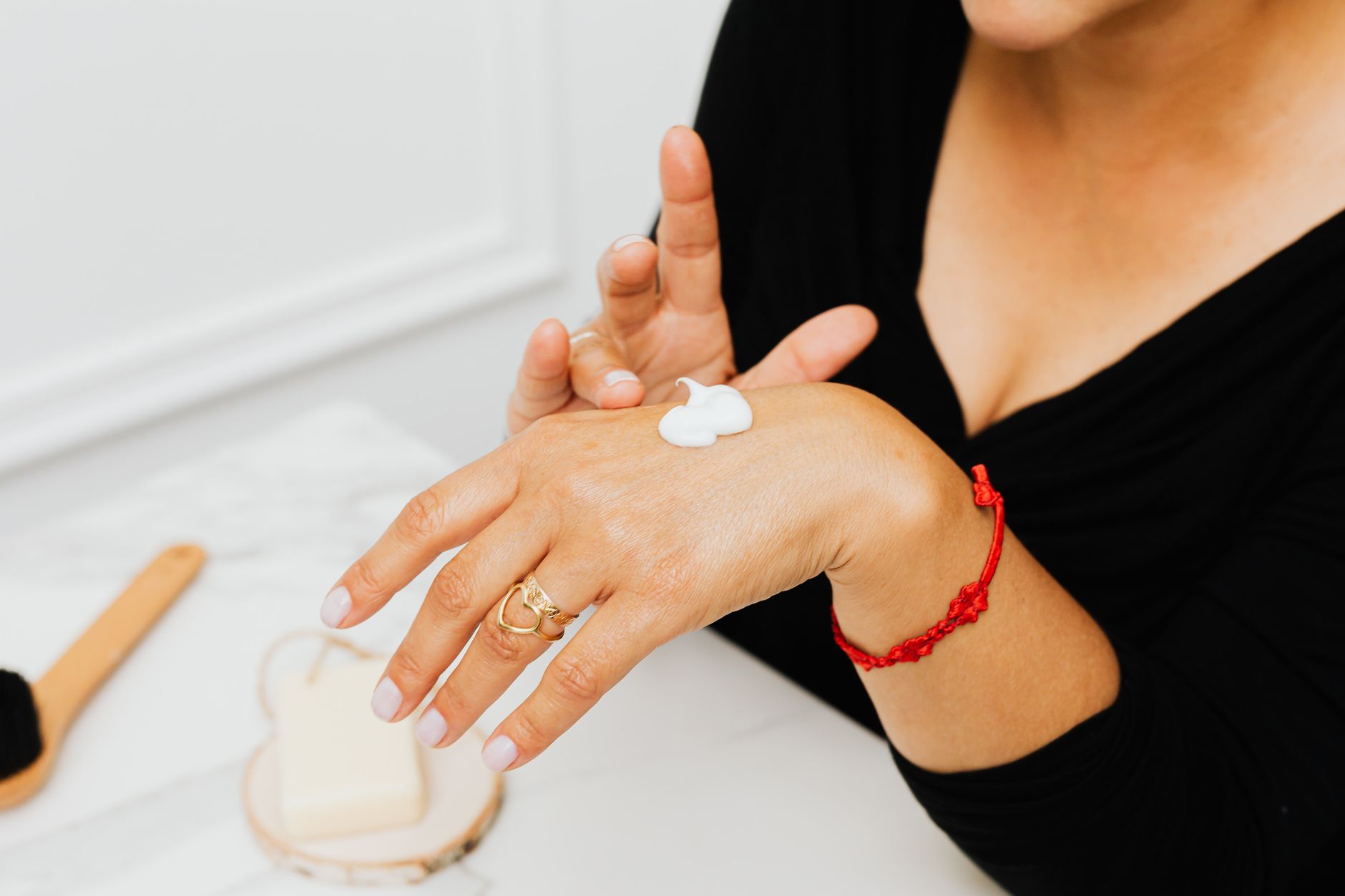
A simple morning and evening checklist
- Cleanse gently with lukewarm water and a fragrance-free product when needed.
- Apply moisturizer to slightly damp skin after washing.
- Use a richer cream or ointment on especially dry areas if it feels comfortable.
- Keep the rest of your routine simple and introduce new products one at a time.
- In the morning, finish with broad-spectrum sunscreen on exposed skin when appropriate.
How can you reduce flaky skin without making it more irritated?
Treat flaky skin gently by softening it with moisturizer rather than trying to scrub it away. If a product stings, burns, or seems to make the irritation worse, stop using it and reassess your routine.
Flakes can make skin feel rough, but scrubbing or peeling them away may increase discomfort. Pause exfoliating brushes, gritty scrubs, and strong exfoliating ingredients while your skin feels irritated. Instead, use a fragrance-free cream or ointment regularly and give your skin time to respond to the simpler routine. If you wear makeup, remove it gently and avoid repeated cleansing to chase every dry patch.
Check product labels for fragrance and choose formulas designed for sensitive or dry skin when possible. Ingredients such as glycerin, ceramides, and petrolatum can be useful in moisturizers, although no single ingredient suits everyone. For a broader ingredient-checking habit, even simple home routines benefit from reading labels carefully; Pawdishy offers a related example in its guide to [ingredients to avoid in pet recipes](pawdishy.com/foods-to-avoid-in-pet-recipes). Keep your own

Habits that can make flaky skin less comfortable
- Do not pick at flakes or pull loose skin away.
- Avoid hot water and rubbing your face or body with a rough towel.
- Pause exfoliating acids and retinoid products if they are contributing to irritation, and seek professional advice if you are unsure what to stop.
- Test new skincare products cautiously, changing one product at a time.
- Seek advice from a qualified healthcare professional if cracking, persistent redness, itching, or burning continues.
How should you adjust your routine for extremely dry skin in cold weather?
Cold weather can leave skin feeling drier, so use a richer moisturizer, protect exposed areas, and reapply after washing. Keep indoor bathing and cleansing gentle rather than trying to compensate with frequent scrubbing or extra products.
Cold air, wind, indoor heating, and frequent handwashing can all make dryness harder to manage. Before going outside, apply moisturizer to exposed areas and cover your hands and other vulnerable skin when practical. After washing your hands or face, moisturize again instead of waiting for tightness to develop. If your usual lotion no longer feels sufficient, consider a richer cream or ointment.
At home, keep showers short and lukewarm, use gentle cleansing products, and avoid placing your skin directly in front of intense heat. A clean humidifier may make a dry indoor environment more comfortable, provided it is maintained according to the manufacturer's instructions. Do not keep layering products that sting simply because the weather has changed. Persistent or severe dryness, painful cracks, swelling, or a rash may need assessment by a qualified healthcare professional or dermatologis
Cold-weather adjustments to try
- Switch to a richer fragrance-free cream or ointment if your regular moisturizer is not enough.
- Reapply moisturizer after washing your hands, showering, or cleansing your face.
- Wear gloves and suitable clothing to protect exposed skin from cold wind.
- Keep showers brief and use lukewarm rather than hot water.
- Arrange professional advice for persistent irritation, suspected allergies, or symptoms that interfere with everyday comfort.
A simple routine for keeping extremely dry skin more comfortable
| Routine step | What to do | What to avoid |
|---|---|---|
| Morning cleansing | Rinse with lukewarm water or use a gentle, fragrance-free cleanser when needed. | Hot water, harsh soaps, and vigorous rubbing. |
| Moisturizing | Apply a rich cream or ointment to slightly damp skin and reapply when skin feels tight. | Waiting until skin feels completely dry or relying only on a lightweight lotion when it is insufficient. |
| Bathing | Keep showers short, use lukewarm water, and pat skin dry with a soft towel. | Long, hot showers, rough washcloths, and scrubbing. |
| Flaky areas | Soften flakes with regular moisturizing and let them shed naturally. | Picking, peeling, abrasive scrubs, and strong exfoliating acids on irritated skin. |
| Cold weather | Use a richer moisturizer, cover exposed skin outdoors, and reapply after washing. | Leaving skin exposed to cold wind or using irritating fragranced products. |
| Persistent discomfort | Ask a qualified healthcare professional for advice if dryness, itching, redness, or cracking continues. | Repeatedly adding products or assuming every persistent skin problem is ordinary dryness. |
People also ask
Skincare FAQ
What is the best moisturizer for extremely dry skin?
A rich, fragrance-free cream or ointment is a practical starting point. Look for formulas containing moisturizing ingredients such as glycerin, ceramides, or petrolatum, and choose a texture that feels comfortable on your skin. If products repeatedly cause burning or redness, seek professional advice.
Should you exfoliate extremely dry, flaky skin?
Avoid scrubs, peeling products, and strong exfoliating ingredients when skin is irritated, cracked, or uncomfortable. Regular moisturizing is a gentler first step. If persistent flaking does not improve or comes with itching, redness, or pain, consult a qualified healthcare professional.
When should you seek professional help for extremely dry skin?
Seek advice if dryness persists despite gentle care, or if you develop ongoing redness, intense itching, painful cracks, swelling, or a suspected allergic reaction. A qualified healthcare professional or dermatologist can help assess whether an underlying skin condition or product reaction may be contributing.