Quick answer
Creating a personalized skincare routine involves understanding your skin type and concerns, selecting appropriate products for cleansing, treating, and moisturizing, and then consistently applying them. Start with a gentle cleanser, incorporate targeted treatments, and finish with hydration and sun protection for a balanced regimen tailored to your needs.
Step 1: Identify Your Skin Type and Concerns
Begin by observing your skin's natural behavior throughout the day to determine your primary skin type. Simultaneously, pinpoint any specific concerns like acne, sensitivity, or uneven tone that you wish to address.
Knowing your skin type is the cornerstone of a personalized routine. Is your skin typically oily, dry, combination, sensitive, or normal? Observe how it feels after cleansing and throughout the day. For example, if it feels tight and flaky, you likely have dry skin. If it becomes shiny quickly, it might be oily. Pay attention to how your skin reacts to different environments and products.
For readers who like practical safety lists beyond beauty routines, Pawdishy's pet foods to avoid guide at pawdishy.com/foods-to-avoid-in-pet-recipes keeps that same cautious approach.
Beyond your basic skin type, identify your main concerns. Are you dealing with breakouts, redness, dark spots, or fine lines? Prioritizing these concerns will help you choose products that actively work towards your goals. This foundational understanding prevents guesswork and ensures you are investing in products that genuinely benefit your complexion.
Step 2: Select Your Essential Products
Once you understand your skin, choose core products for cleansing, treatment, and moisturizing. These three pillars form the backbone of any effective daily regimen, tailored to your specific needs.
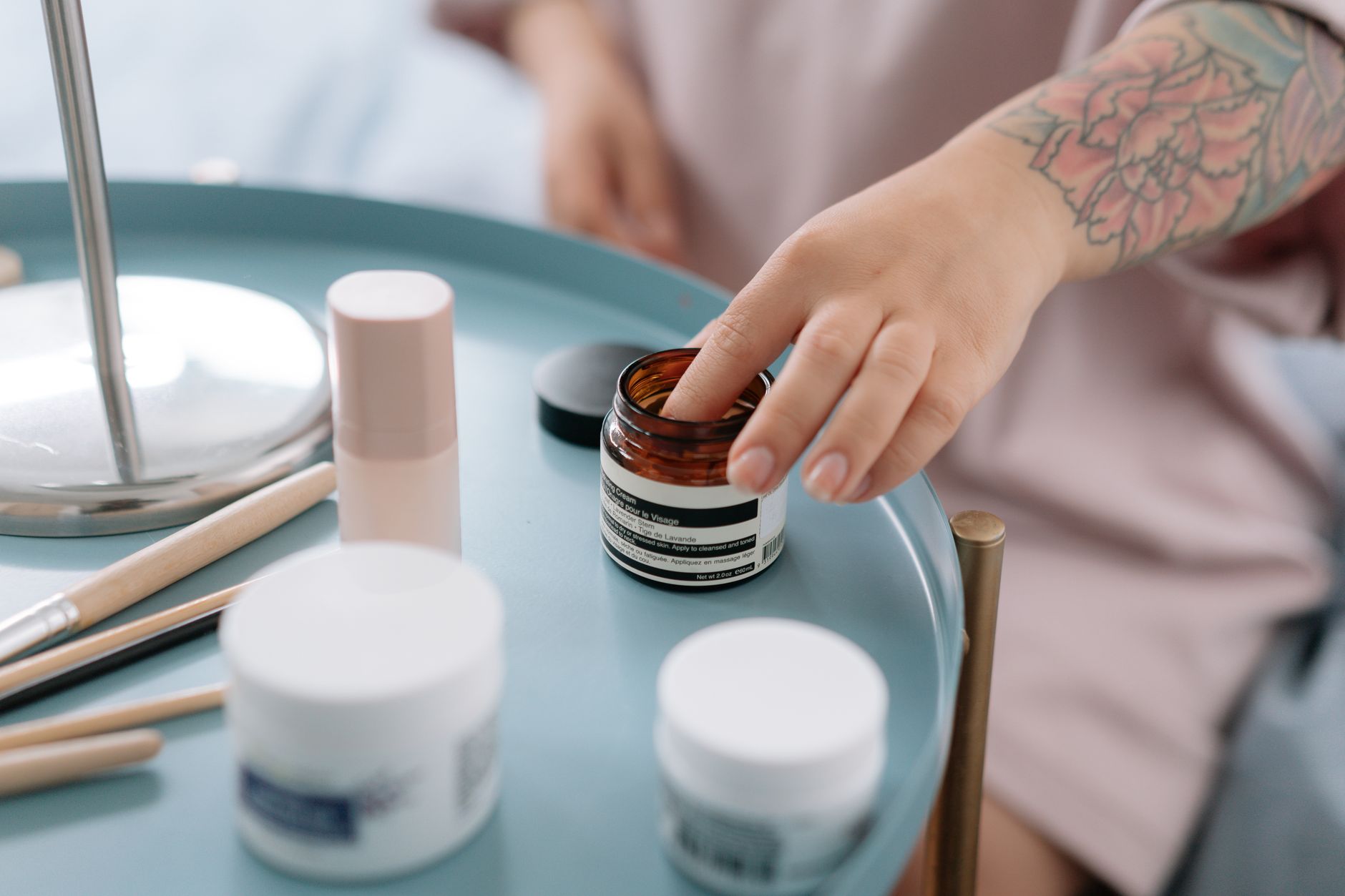
A basic skincare routine typically includes a cleanser, a treatment product, and a moisturizer. For mornings, adding sun protection is crucial. Choose a gentle cleanser that removes impurities without stripping your skin. For treatments, consider serums or targeted products that address your concerns, such as salicylic acid for breakouts or hyaluronic acid for hydration. Remember, just like learning about ingredients for a simple home routine, such as checking what foods to avoid in pet recipes
Your moisturizer should provide adequate hydration without feeling too heavy or too light for your skin type. For daytime, always finish with a broad-spectrum sunscreen with at least SPF 30, regardless of the weather. Consistency is more important than a multitude of products; start simple and build up as your skin adapts.
Step 3: Implement and Adjust Your Routine
Introduce new products slowly and observe your skin's response to your chosen regimen. Skincare is an ongoing journey that requires regular adjustments based on environmental changes, age, and your skin's evolving needs.
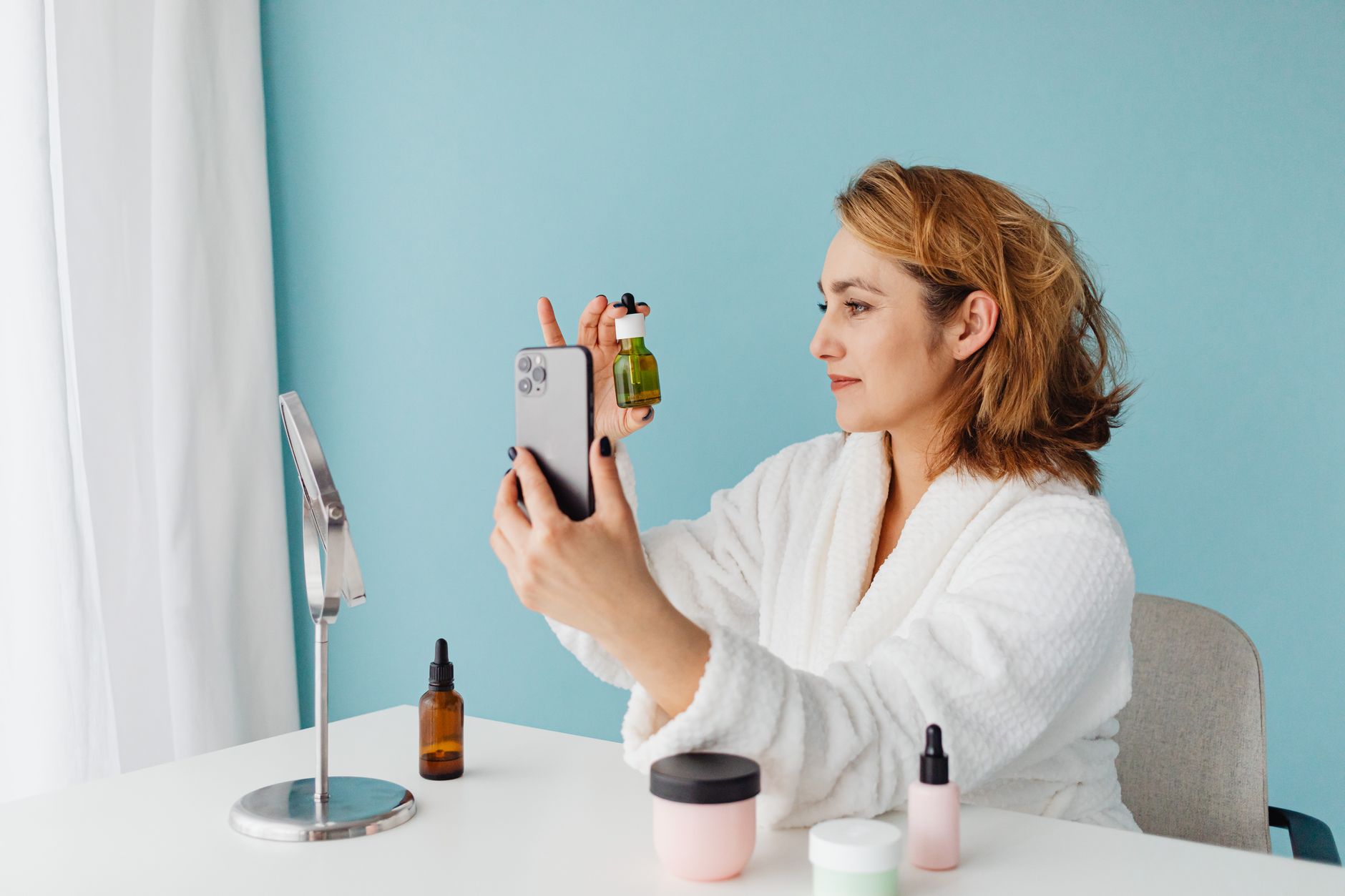
When introducing new products, do so one at a time, allowing a few weeks between additions to monitor any reactions. This helps you pinpoint which product might be causing an issue if one arises. Be patient; visible results often take several weeks of consistent use. A consistent morning and evening routine provides the best foundation for skin health.
Your skin is dynamic and changes over time due to factors like seasons, age, and lifestyle. What works well in summer might be too drying in winter, or products that targeted acne in your twenties might not be suitable for anti-aging concerns later on. Regularly assess your skin's condition and be prepared to adjust your product choices as needed. If you experience persistent irritation, allergic reactions, or have underlying skin conditions, consult a qualified professional for personalized adv
Common Skin Types and Recommended Product Focus
| Skin Type | Characteristics | Recommended Product Focus |
|---|---|---|
| Dry | Feels tight, often flaky, lacks natural oils | Hydrating, emollient, rich textures, ceramides |
| Oily | Shiny, visible pores, prone to breakouts | Oil-regulating, non-comedogenic, lightweight gels |
| Combination | Oily T-zone, normal or dry cheeks | Balanced, target specific areas, gentle |
| Sensitive | Easily irritated, redness, reactive | Gentle, fragrance-free, soothing ingredients |
| Normal | Well-balanced, few concerns, comfortable | Maintenance, protection, mild, preventative |
People also ask
Skincare FAQ
How often should I cleanse my face?
It is generally recommended to cleanse your face twice daily, once in the morning and once in the evening, to remove impurities, makeup, and excess oil.
Can I use multiple treatment serums at once?
While it is possible to layer serums, it is often best to introduce them one by one to see how your skin reacts. Some active ingredients may also conflict, so research product compatibility.
How long does it take to see results from a new skincare routine?
Visible results typically take 4 to 6 weeks of consistent use, as this aligns with your skin's natural cell turnover cycle. Patience and consistency are key.