Quick answer
Use a dense, soft foundation brush and start with a small amount of product. Work from the center of the face outward, using short buffing circles for thin layers or light stippling where you want more coverage. Blend around the nose, jaw, hairline, and brows last, then inspect in natural light for streaks.
Which foundation brush works best for a smooth finish?
Choose a soft brush that matches the formula and the finish you want. Dense rounded or flat-top brushes are useful for buffing liquid and cream foundation, while stippling brushes can help build coverage with less dragging.
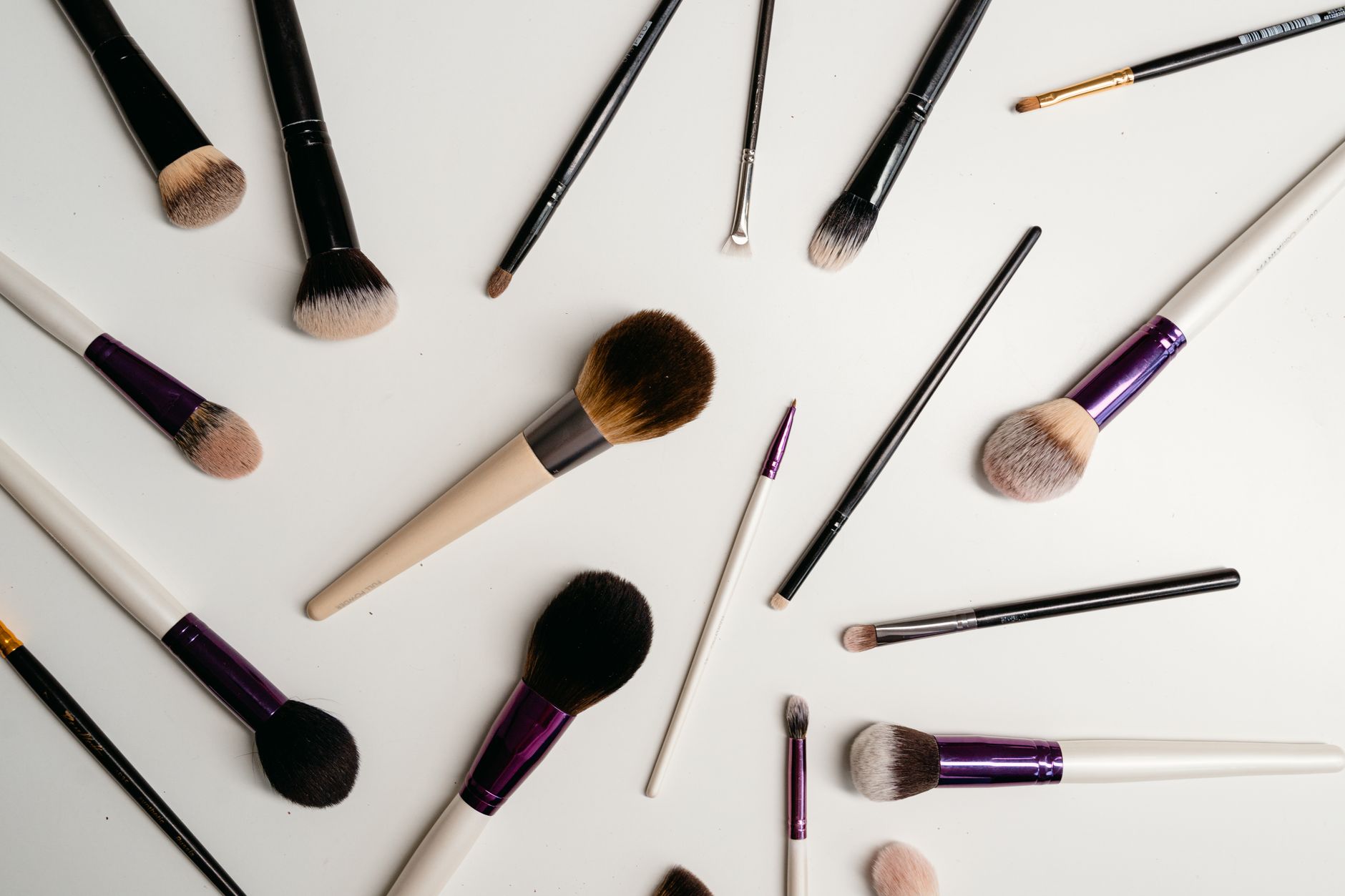
Brush shape affects how much product is picked up, where it is deposited, and how easily the edges blend. A dense brush gives more contact with the skin and works well for controlled buffing, while a stippling brush uses lighter contact to press thin layers into place.
Whichever shape you choose, keep the bristles clean and soft. Product buildup can make the brush feel stiff and may contribute to patchy or streaky application, especially around textured areas and narrow contours.
What to look for in a foundation brush
- Soft bristles that do not scratch or tug at the skin
- Enough density to spread product without soaking up too much
- A shape that can reach around the nose, brows, and jawline
- Clean bristles with no dried foundation buildup
How do you apply foundation with a brush without streaks?
Use less foundation than you think you need and build in thin layers. Start near the center of the face, then buff or stipple outward with light pressure instead of making long sweeping strokes.
Place a small amount of foundation on the back of your hand or another clean surface, then pick up a little with the brush. Distribute the product across one area at a time so the brush is blending a thin layer rather than pushing a large amount around the face.
For buffing, use short overlapping circles with gentle pressure. For stippling, tap the brush repeatedly over the skin without wiping. Add another small amount only where you want more coverage, which helps keep the finish even and natural-looking.
Simple application sequence
- Pick up a small amount of foundation with the brush
- Begin on the cheeks or center of the face where coverage is usually most useful
- Blend outward toward the hairline and jaw
- Use buffing circles for thin layers or stippling taps for extra coverage
- Build only where needed instead of adding another full-face layer
Where do foundation streaks usually show up, and how do you fix them?
Streaks often collect around the nose, between the brows, near the hairline, and along the jaw where brush angles change. Use the leftover product on the brush and smaller motions to blend these areas rather than adding more foundation.
After the main application, check the sides of the nose, nostrils, brows, mouth, hairline, and jaw. Turn the brush so the edge or tip can reach narrow areas, then soften visible lines with short taps or tiny circular motions.
If one area still looks heavy, use a clean section of the brush or a clean damp sponge to press over it and lift excess product. If makeup repeatedly causes persistent irritation, allergy symptoms, or aggravates a skin condition, stop using the suspected product and seek advice from a qualified dermatologist or other healthcare professional.
Final streak check
- Look at the face in natural or bright neutral light
- Check the nose, brows, hairline, mouth, and jaw from more than one angle
- Blend visible brush lines with light tapping or tiny circles
- Avoid adding fresh product unless there is a clear gap in coverage
Foundation brush types and the motions that help create an even finish
| Brush type | Best motion | Best use |
|---|---|---|
| Dense rounded or flat-top brush | Small circular buffing motions | Blending thin layers of liquid or cream foundation across larger areas |
| Stippling brush | Light tapping or stippling | Building coverage without dragging product across the skin |
| Flat paddle foundation brush | Short controlled strokes followed by soft blending | Placing product precisely, especially around the nose and facial contours |
People also ask
Makeup FAQ
Is buffing or stippling better for applying foundation with a brush?
Buffing works well for spreading a thin layer quickly, especially with dense rounded brushes. Stippling is useful when you want to press product into place or build coverage without dragging the layer underneath.
Why does my foundation look streaky when I use a brush?
Common causes include using too much product, pressing too hard, making long brush strokes, or working with a brush that has product buildup. Try smaller amounts, lighter pressure, overlapping motions, and a clean brush.
Should I put foundation directly on the brush or on my face first?
Either can work, but placing a small amount on the back of your hand first gives you more control over how much the brush picks up. This can make it easier to build thin, even layers instead of overloading one area.