Quick answer
Start with a little foundation and a clean brush. Seriously, less is better here. Dab it onto the middle of your face, then blend toward the edges in thin layers. Tap for more coverage or make small circles to smooth everything out. Add more only where redness or uneven patches still show through.
Which foundation brush works best?
A rounded flat-top brush is your best bet when you're just starting out.
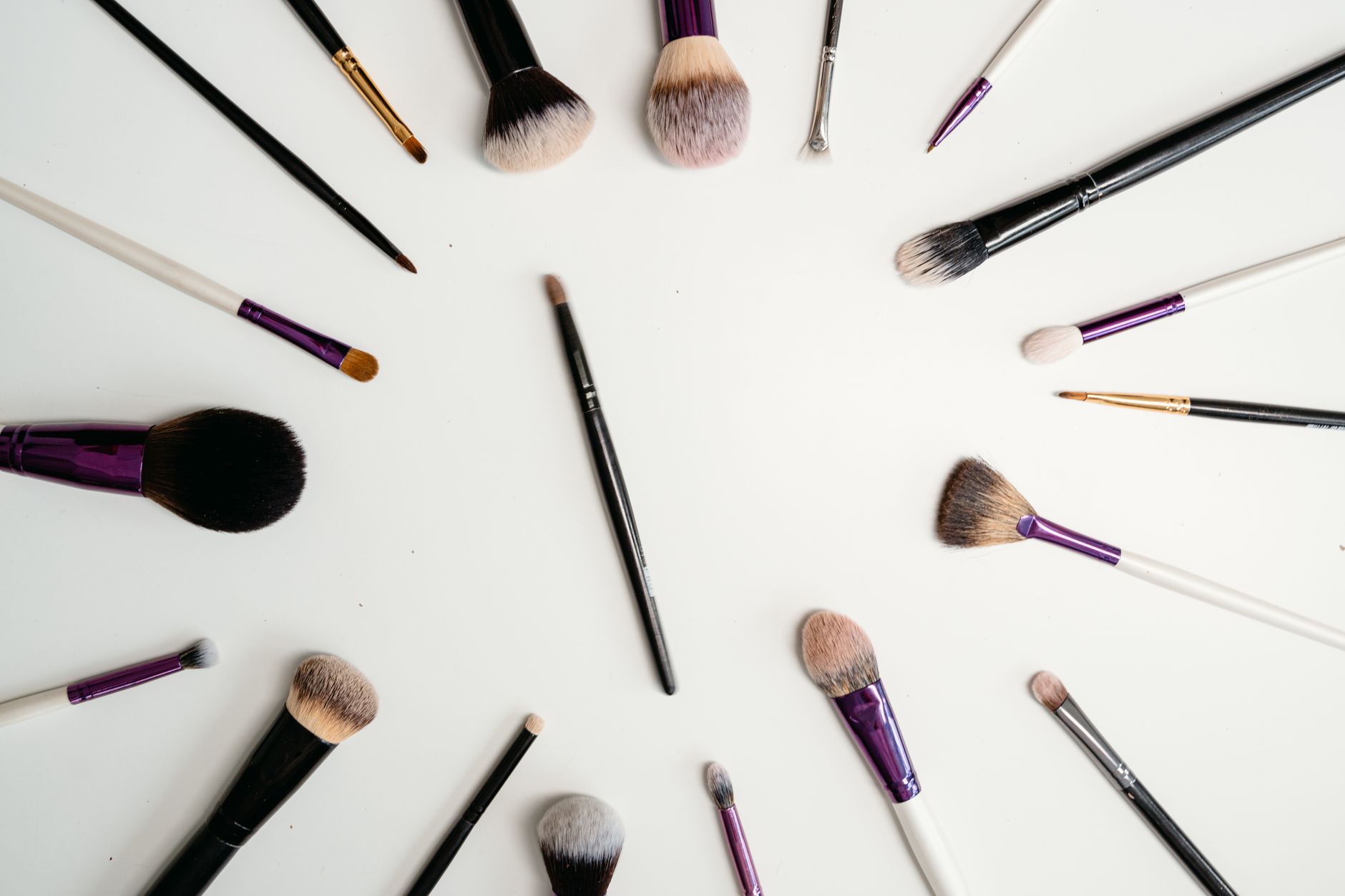
A dense, rounded flat-top brush works nicely with liquid and cream foundation. The compact bristles let you press the product into your skin and blend without dragging it across your cheeks. Soft bristles matter, especially around your nose.
A flat paddle brush gives you more control when spreading a thin layer. A stippling brush has looser bristles for a lighter finish. You don't need a whole collection. Start with one that feels comfortable in your hand and is easy to wash.

What do the brush shapes do?
- Flat-top: press and blend liquid foundation.
- A paddle brush spreads a thin, controlled layer across your face (handy when you don't want much coverage).
- Stippling brush: lighter coverage?
- With a dense rounded brush, you can work foundation into the curves around your nose and cheeks.
How much foundation is enough?
Start with one small pea-sized amount. You can always add more.
Squeeze a pea-sized amount onto the back of your clean hand, a palette or another clean surface. Pick up a little with your brush, then tap off any obvious excess before it touches your face.
Adding more is easy. Getting rid of a thick blob around your nose, chin or hairline takes longer. If your foundation is highly pigmented, start with even less than a pea-sized amount.
What should you do first?
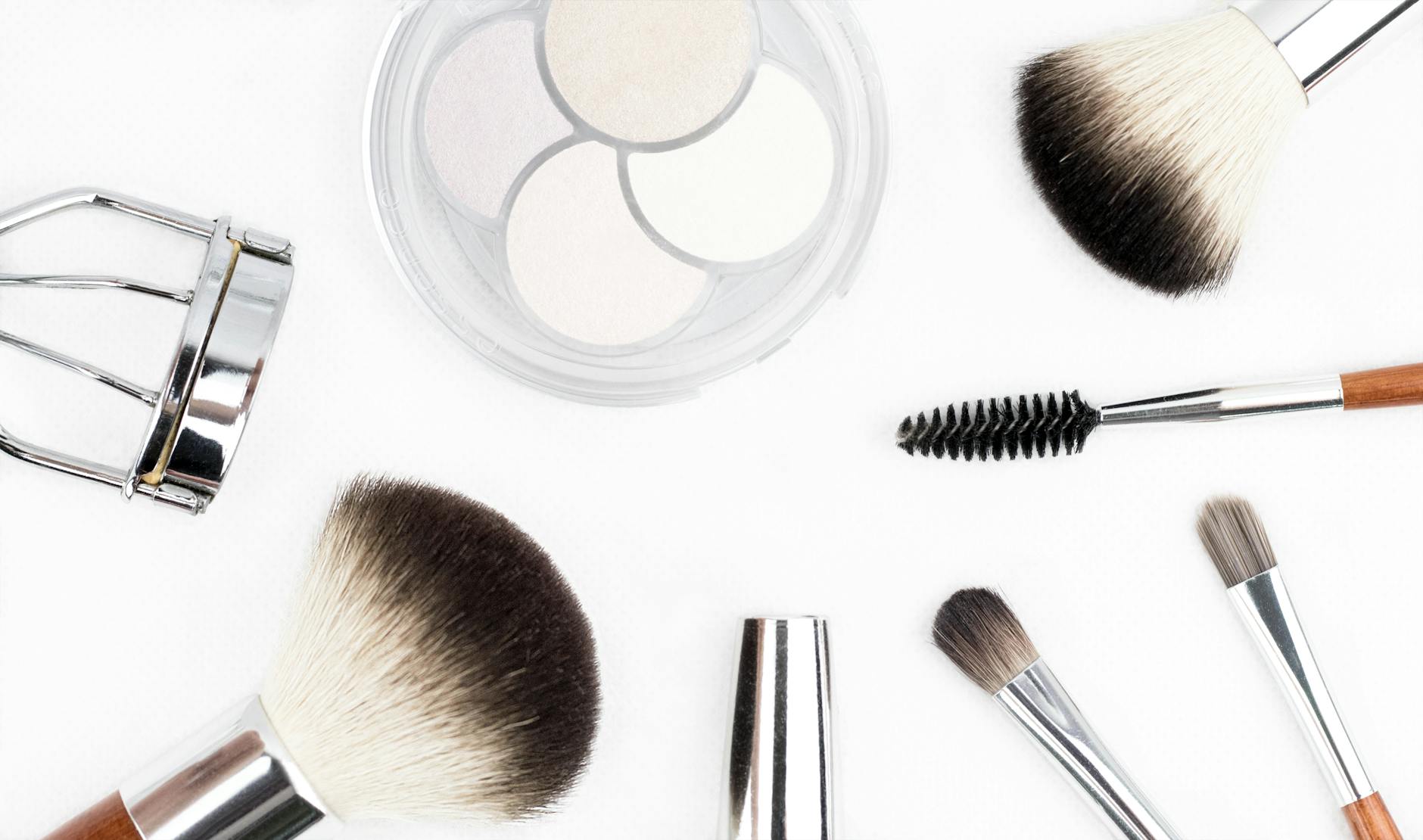
- Clean, dry bristles.
- A pump of foundation on your hand gives you a better view of how much you're picking up (and keeps you from loading the brush with too much).
- How much product is on the brush? Just a little at a time.
- Only add another thin layer where your skin still needs coverage.
Where should you apply foundation first?
Start in the middle of your face, then work outward toward your hairline.
Begin beside your nose, across your inner cheeks and around your chin. These spots often show the most redness or uneven tone. Work with short, gentle strokes or little tapping motions rather than sweeping a thick layer across your entire face.
Move toward your jaw and hairline, using whatever foundation is left on the brush. Take an extra moment around your nostrils, where product loves to settle. Blend down to your jawline, too, so there's no obvious foundation line.
In what order should you blend?
- Tap beside your nose and across your cheeks.
- Move outward toward your temples.
- A light touch over the chin is enough.
- How do the edges look? Soften any visible line along your jawline.
Should you stipple or buff foundation?
Stipple where you want coverage, then buff lightly to smooth the edges.
Stippling is just a series of little bouncing motions with your brush against your skin. It presses foundation into place without shifting it around too much. Try it over redness or a small patch that needs extra coverage.
Buffing uses small circles to blend foundation into your skin. Keep your hand light, particularly over dry patches, because too much rubbing can disturb the layer underneath. Both techniques work together nicely: stipple the areas that need coverage, then gently buff around the edges.
When should you use each method?
- Stipple over redness or small blemishes.
- Across your cheeks, gentle buffing gives foundation a softer finish.
- Around the nose creases, could a few light taps do the job?
- Once the layer looks even, leave it alone.
How can you prevent streaks?
Less foundation, a lighter touch and a clean brush will give you a smoother finish.
Those obvious brush marks usually mean you've picked up too much foundation or pressed too hard while blending. Try less product and shorter strokes. Then tap gently over any lines that are still visible.
If you can, check your makeup in natural daylight. Your nostrils, eyebrows, jaw and hairline are the usual spots where foundation builds up. Got one patch that's looking too thick? Press a clean, slightly damp makeup sponge over it to lift the excess instead of adding another layer.
Wash your foundation brush regularly with a gentle brush cleanser or mild soap. Rinse until the water runs clear, reshape the bristles and leave the brush to dry completely before using it again. If a product causes persistent irritation, an allergic reaction or makes an existing skin condition worse, stop using it and seek advice from a qualified professional.
How do you fix common mistakes?
- Too much coverage? A sponge can lift the excess.
- For visible brush lines, gently tap over each streak instead of dragging the brush back and forth.
- Patchy foundation? Could dry skin underneath be the problem?
- Stiff bristles need a good wash to get rid of old foundation.
People also ask
Makeup FAQ
Should you wet a foundation brush before using it?
Usually, no. Start with a clean, dry brush for liquid foundation unless the brush or product instructions say otherwise. A damp makeup sponge is another way to blend.
Can you apply powder foundation with a brush?
Yes, a soft, fluffy powder brush works well. Pick up a little product and tap off the excess before sweeping it over your face with light, controlled motions.
How often should you clean a foundation brush?
Ideally, wash it after every few uses. If you wear foundation daily, give your brush a proper wash at least once a week so old product doesn't collect between the bristles.