Quick answer
Apply blush by choosing a formula that suits your skin type, placing a small amount on the cheeks, and blending upward for a soft finish. Start with less product, build gradually, and adjust placement depending on the makeup style you want, from fresh and natural to more defined.
How do you choose the right blush before applying it?
The best blush starts with a formula and shade that work with your makeup style and preferred finish. Choosing the right texture makes blending easier and helps the color look more natural.
Powder blushes are easy to control and work well for many everyday makeup routines, while cream and liquid formulas can create a softer, more skin-like finish. Consider your usual foundation or base makeup when choosing a texture so the products layer smoothly together.
For a natural look, choose shades that resemble the way your cheeks naturally flush. Soft pinks, peaches, and muted berry tones can all work depending on your complexion and the overall makeup look you want to create.
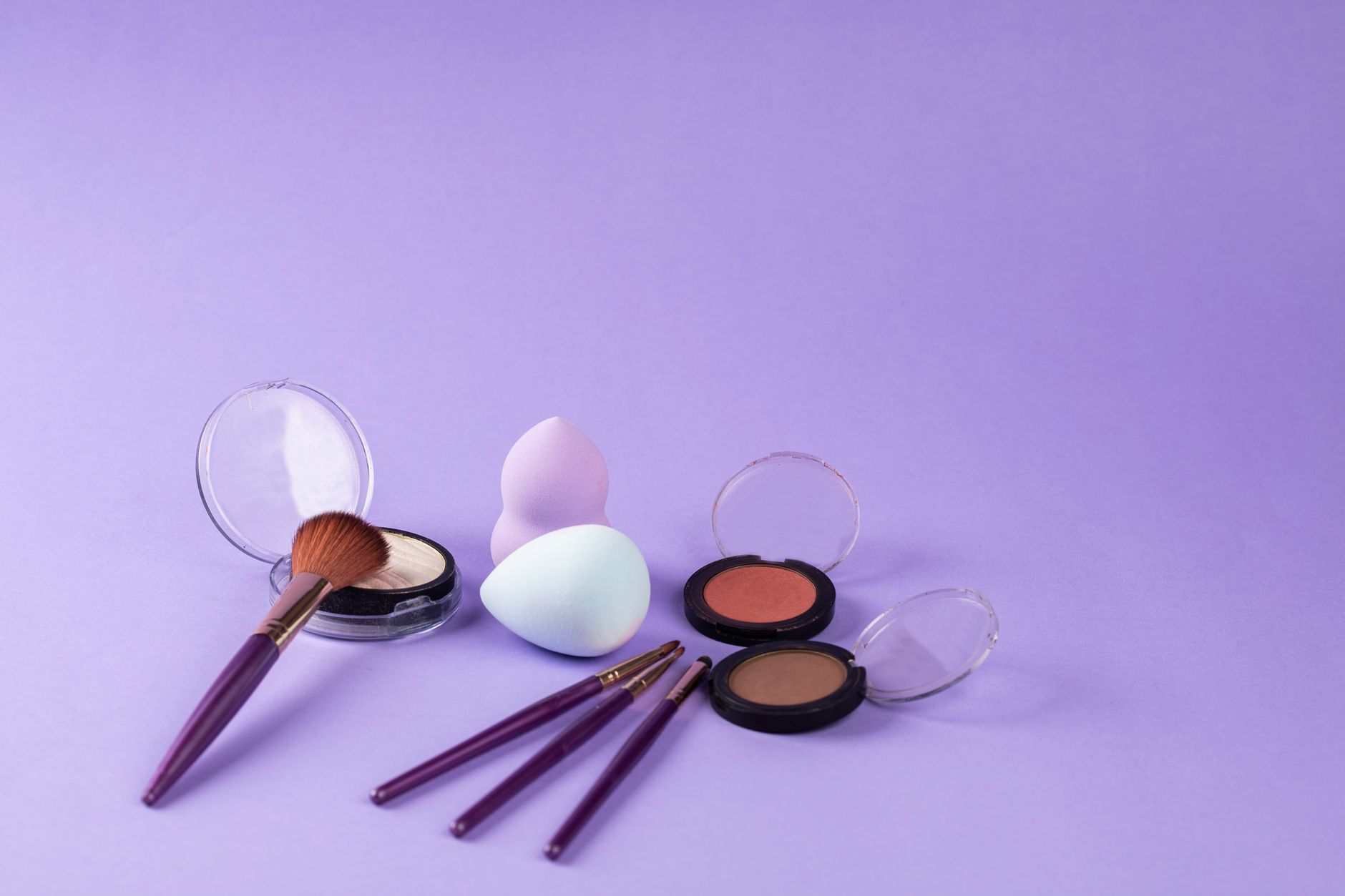
Before applying blush, check these details
- Pick a formula that matches your preferred finish, from matte to dewy
- Use a clean brush or sponge to keep application even
- Start with a small amount because adding more is easier than removing excess color
How do you apply blush for a natural-looking flush?
A natural blush application depends on placement, light layers, and careful blending. The goal is to create a soft transition between the blush and the rest of your makeup.
Begin by placing a small amount of product on the cheeks and blending outward. Avoid applying too much color in one spot because a gradual build creates a more realistic finish.
The direction of your blending changes the effect. Moving blush slightly upward toward the temples can create a lifted appearance, while keeping it centered on the cheeks can give a softer youthful style.
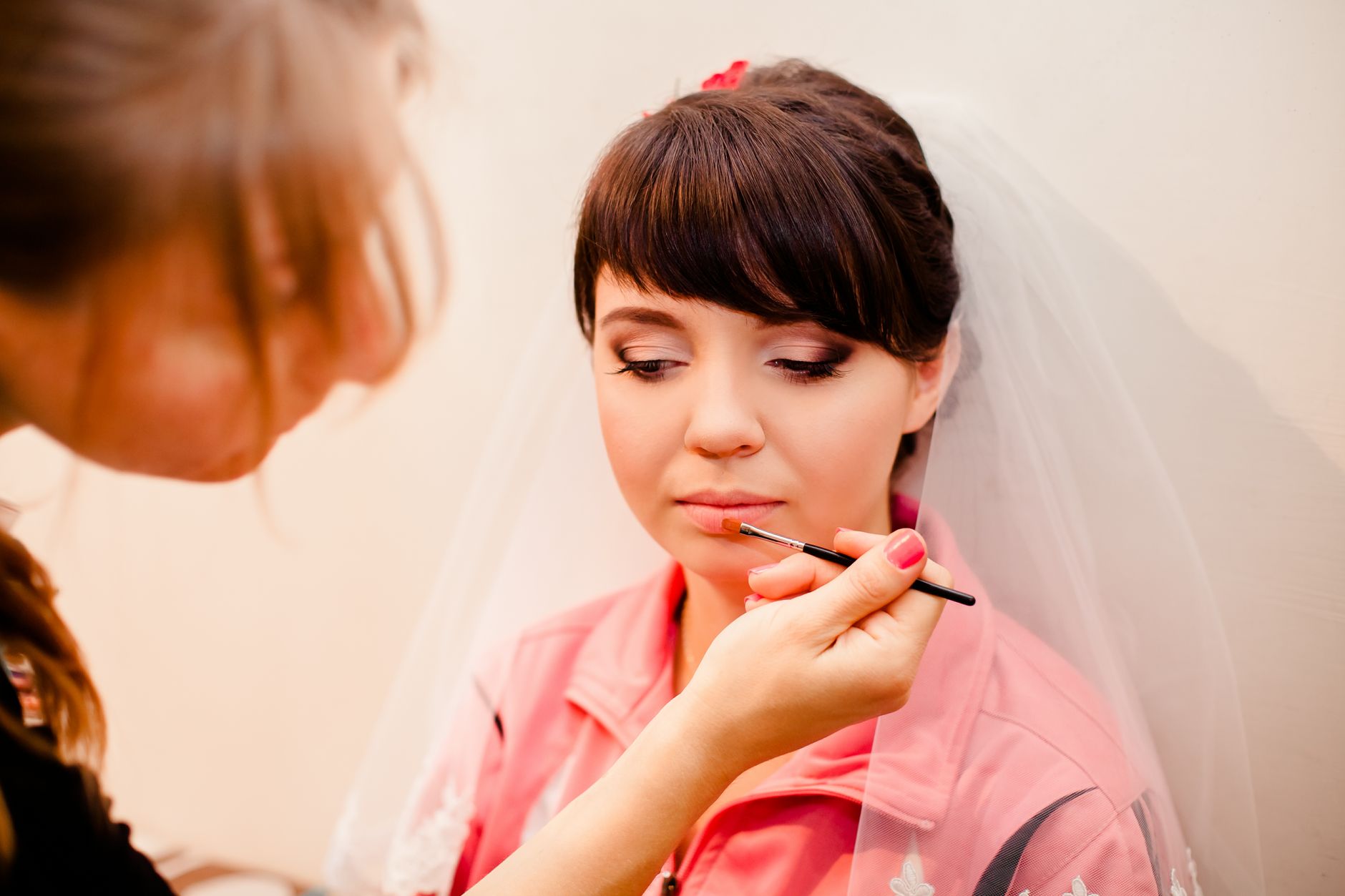
Simple blush application steps
- Apply a small amount of blush to the chosen cheek area
- Blend the edges until there are no harsh lines
- Add another light layer if you want more color
- Check the balance between both cheeks before finishing your makeup
How can you adjust blush placement for different makeup styles?
Blush placement can change the overall feeling of your makeup without requiring a different product. Small adjustments help you create a soft, polished, or more defined appearance.
For a simple everyday look, keep blush close to the natural centre of the cheeks and blend the edges well. For a more sculpted makeup style, place the color slightly higher and connect it gently with the rest of your cheek makeup.
If your skin becomes irritated after using a cosmetic product, stop using it and consider seeking advice from a qualified professional, especially if irritation continues or you have concerns about allergies or existing skin conditions.
Ways to change your blush style
- Use less product for a clean no-makeup makeup effect
- Layer cream and powder formulas carefully for extra dimension
- Adjust placement based on whether you want a softer or more structured finish
Choose a blush technique based on the finish you want to create.
| Goal | Placement | Technique |
|---|---|---|
| Fresh natural flush | Upper cheeks and slightly toward temples | Use a small amount and blend outward with light strokes |
| Soft lifted look | Higher on cheekbones | Blend upward toward the hairline instead of pulling color downward |
| More defined makeup | Cheekbones with controlled edges | Build thin layers and blend carefully for shape |
| Everyday minimal makeup | Centre of cheeks | Tap on a small amount and soften the edges |
People also ask
Makeup FAQ
Where should you put blush for the most natural look?
For a natural look, place blush where your cheeks naturally gain color and blend the edges outward. Keeping the application light helps the blush look like part of your skin rather than a separate makeup layer.
Should you apply blush before or after foundation?
Blush is usually applied after foundation because the base creates an even surface for the color. Cream products may also be layered under powder products depending on the finish you want.
How do you avoid applying too much blush?
Use a small amount of product at first and build slowly. Blending with a clean brush or sponge helps soften strong areas and keeps the final result balanced.