
Quick answer
Prevent concealer creasing by properly hydrating and prepping the under-eye area, choosing a suitable non-creasing formula, and applying it sparingly. Setting with a minimal amount of fine powder and avoiding excessive blending can also help maintain a smooth finish throughout the day.
Proper Under-Eye Preparation is Key
Proper hydration and a smooth base are crucial to prevent concealer from settling into fine lines. This involves moisturizing and potentially using an eye-specific primer.
The journey to crease-free concealer begins before you even touch the product. The skin under your eyes is delicate and often drier than other areas of your face. Ensuring it is well-hydrated and smooth creates an optimal canvas for concealer. Skipping this step can lead to concealer clinging to dry patches and emphasizing fine lines.
Always start with a clean face. Gently apply a hydrating eye cream or serum specifically designed for the under-eye area. Give it a few minutes to fully absorb into the skin before moving on to makeup. This creates a plump, moisturized surface that helps concealer glide on smoothly and reduces its tendency to settle into creases. For some, a very thin layer of an eye primer can also help create a smoother barrier.

Under-Eye Prep Steps:
- Gently cleanse the under-eye area to remove any residue.
- Apply a hydrating eye cream or serum; allow it to fully absorb for 2-3 minutes.
- Consider a very thin layer of eye primer for extra smoothness if desired.
Selecting and Applying Concealer for a Crease-Free Finish
Choosing a flexible, hydrating concealer formula and applying it sparingly in strategic areas minimizes creasing. Use a light touch for blending to avoid disturbing the product.
The type of concealer you use and how you apply it significantly impact creasing. Opt for liquid or creamy formulas that offer medium coverage and have a flexible, hydrating finish. Avoid overly thick, matte, or drying formulas, as these tend to settle into lines more easily. Shade matching is also important; choose a shade that brightens without being too light or opaque.
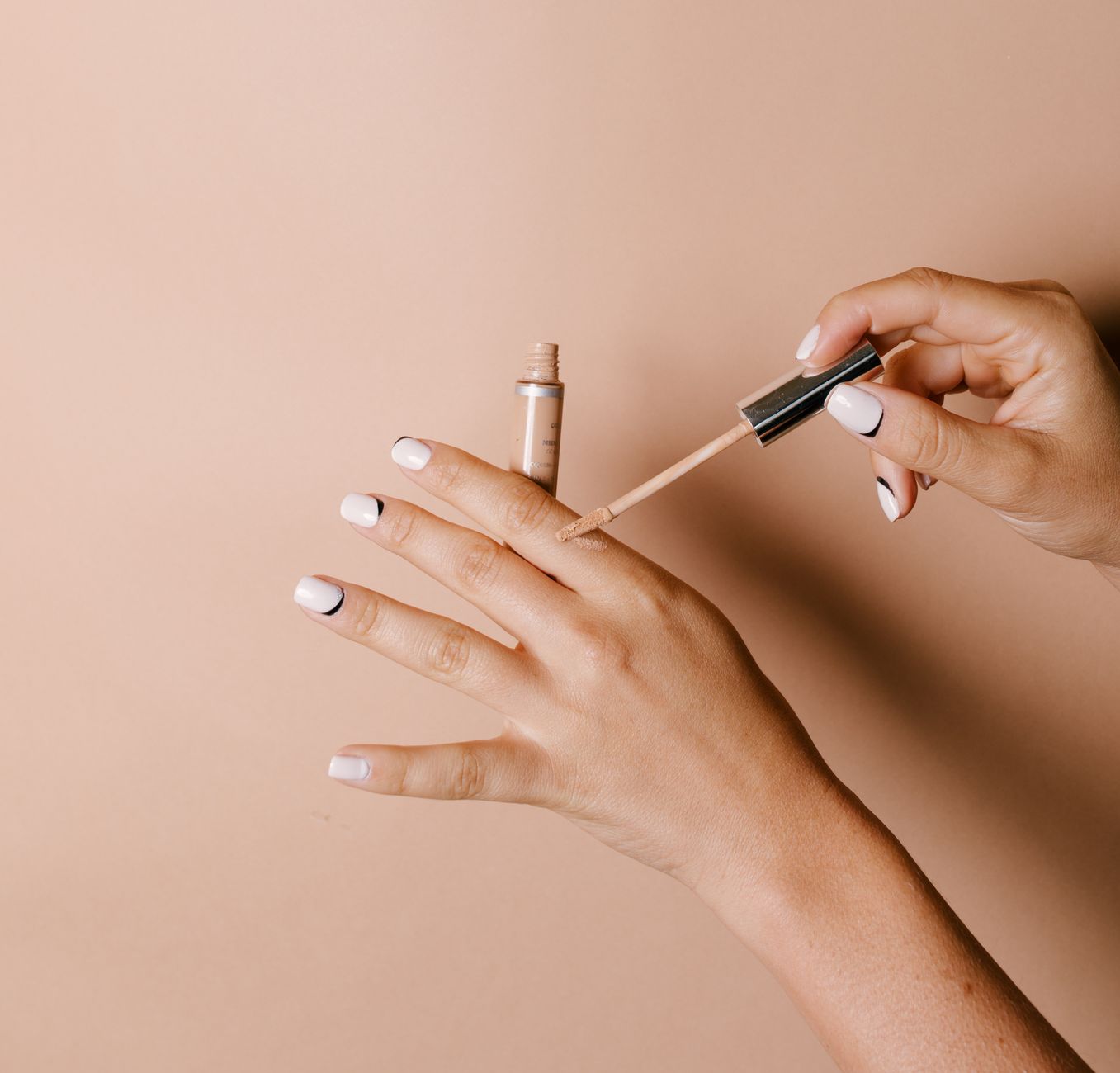
When applying, less is often more. Instead of swiping a large amount, apply small dots only to the areas that need coverage, such as the inner corner of the eye and along the darkest part of the under-eye circle. Use a gentle tapping or patting motion with a clean finger, a damp beauty sponge, or a soft brush to blend the product. Avoid rubbing or dragging, which can push the product into lines and create an uneven finish.
Concealer Application Tips:
- Select a creamy, hydrating liquid concealer, avoiding overly thick or matte formulas.
- Apply a small amount only where needed, typically in the inner corner and beneath the lash line.
- Gently tap or pat the product with a finger, sponge, or brush until blended seamlessly.
- Avoid rubbing or dragging the concealer, which can create lines and disturb the product.
Setting Techniques to Lock in Your Concealer
Lightly setting concealer with a finely milled translucent powder helps to lock it in place without adding texture. Use a minimal amount to prevent cakiness and further creasing.
Once your concealer is blended, setting it properly is the final step to prevent creasing and ensure longevity. The key is to use a finely milled, translucent setting powder. Heavy or colored powders can add texture, look cakey, and emphasize lines.
Before applying powder, gently pat your under-eye area one last time with a clean finger or sponge to smooth out any tiny creases that may have formed. Then, using a small, fluffy brush or a damp beauty sponge, pick up a minimal amount of powder. Gently press or roll the powder onto the under-eye area, focusing on the zones most prone to creasing. Avoid 'baking' with excessive powder, as this can dry out the delicate skin and lead to more creasing over time. A light touch is sufficient to set th
Setting Your Concealer:
- Ensure your concealer is fully blended and smooth before applying powder.
- Use a small, fluffy brush or a damp beauty sponge to pick up a tiny amount of finely milled translucent setting powder.
- Gently press or roll the powder onto the under-eye area, focusing on areas prone to creasing.
- Avoid baking with heavy powder, as this can emphasize lines and dry out the skin.
Common Concealer Mistakes and Solutions for Creasing
| Mistake | Impact on Creasing | Solution |
|---|---|---|
| Applying too much product | Settles into fine lines and looks heavy | Use a small amount; build coverage if truly needed. |
| Skipping under-eye hydration | Dry skin exacerbates creasing and product clinging | Moisturize thoroughly and allow absorption before application. |
| Not setting concealer | Product shifts and creases as it wears throughout the day | Lightly set with a finely milled, translucent powder. |
| Using the wrong formula | Too thick, dry, or oily formulas can easily crease | Choose a flexible, hydrating, medium-coverage liquid concealer. |
People also ask
Makeup FAQ
Why does my concealer always crease?
Concealer often creases due to insufficient skin hydration, using too much product, an unsuitable formula that is too thick or dry, or improper setting techniques that allow it to settle into fine lines.
Should I use an eye cream before concealer?
Yes, applying a hydrating eye cream before concealer is highly recommended. It creates a smooth, moisturized base that helps prevent the concealer from clinging to dry patches and settling into fine lines. Allow it to absorb fully.
What kind of powder is best for setting under-eye concealer?
A finely milled, translucent setting powder is best for under-eye concealer. Its light texture helps to set the product without adding extra weight or cakiness, which can otherwise emphasize fine lines and creasing.