Quick answer
Preventing concealer creasing involves proper skin hydration, strategic product selection, and precise application techniques. Focus on thin layers, setting with minimal powder if desired, and avoiding excessive product. These steps help maintain a smooth, long-lasting finish in delicate areas like under eyes, eyelids, and smile lines.
The Foundation of Flawless Concealer: Skin Prep and Product Choice
Proper skin preparation is crucial for preventing concealer creasing, focusing on hydration and a smooth canvas. Selecting the right concealer formula and shade for your skin type and concern also significantly impacts its wear.
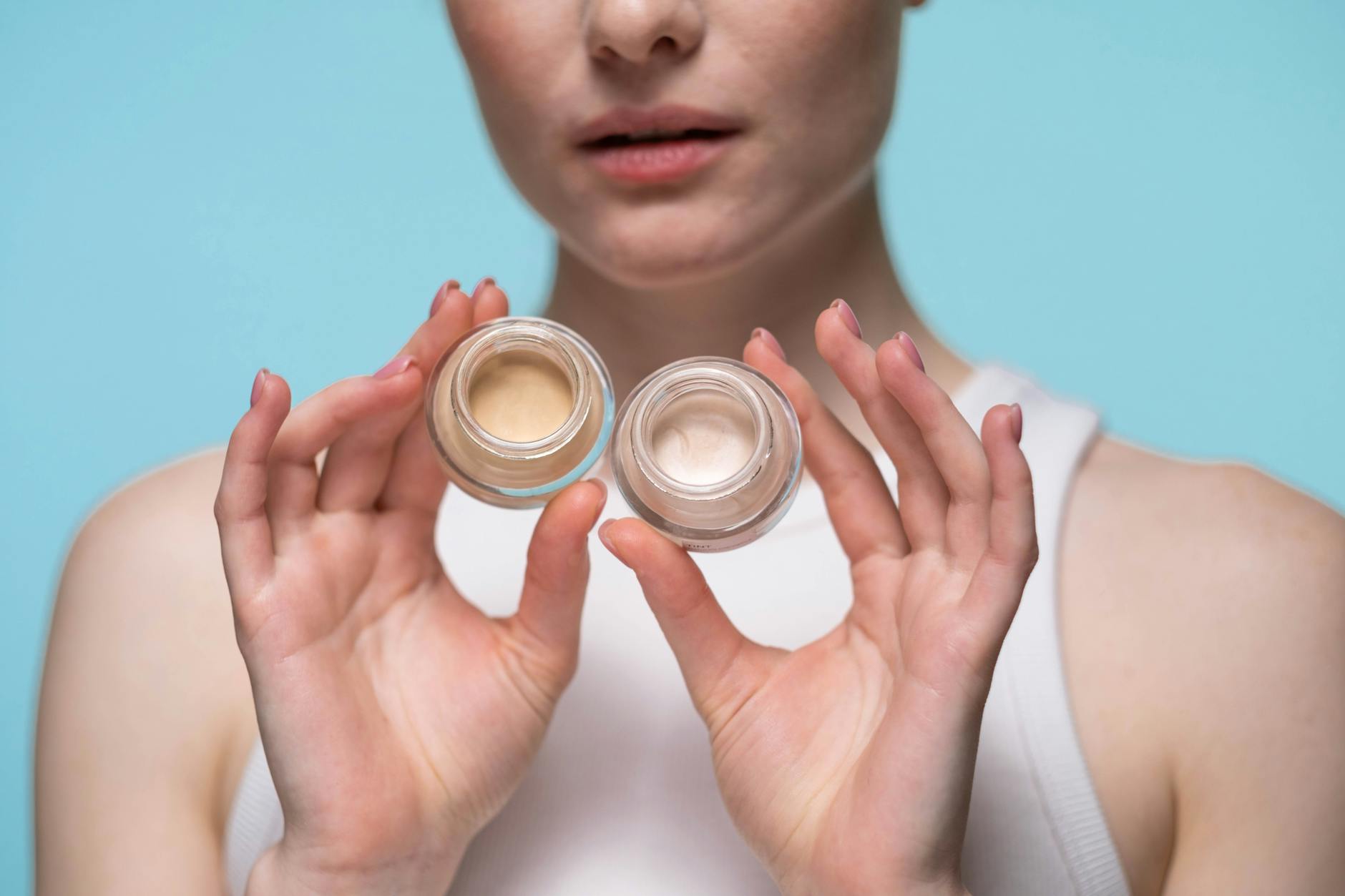
Before applying any makeup, ensure your skin is well-hydrated. For the delicate under-eye area, a lightweight, non-greasy eye cream can make a significant difference. Pat a small amount gently onto the skin and allow it to fully absorb before moving on. Dry, dehydrated skin tends to absorb moisture from makeup, leading to it settling into fine lines.
Choosing the correct concealer formula is equally important. For under eyes, opt for hydrating, flexible formulas that are not too thick or too matte. Thicker, more matte concealers can emphasize texture and settle into lines more easily. For areas like smile lines, a more flexible, medium-coverage formula often works best. Consider your skin type; if you have oily skin, you might prefer a slightly more matte finish, but always prioritize hydration underneath.
The shade also plays a role. A concealer that is too light can draw attention to texture, while one that is too dark might not adequately brighten. Aim for a shade that matches your skin tone or is one shade lighter for brightening effects, especially under the eyes.
Essential Prep Steps
- Cleanse skin thoroughly.
- Apply a hydrating eye cream or moisturizer.
- Allow products to absorb completely.
- Use a lightweight primer if desired for extra smoothness.
Mastering Application Techniques for Crease-Free Coverage
Applying concealer in thin layers with precision and blending thoroughly are key steps to avoid creasing. Using the right tools and techniques helps ensure the product melts seamlessly into the skin without accumulating in lines.
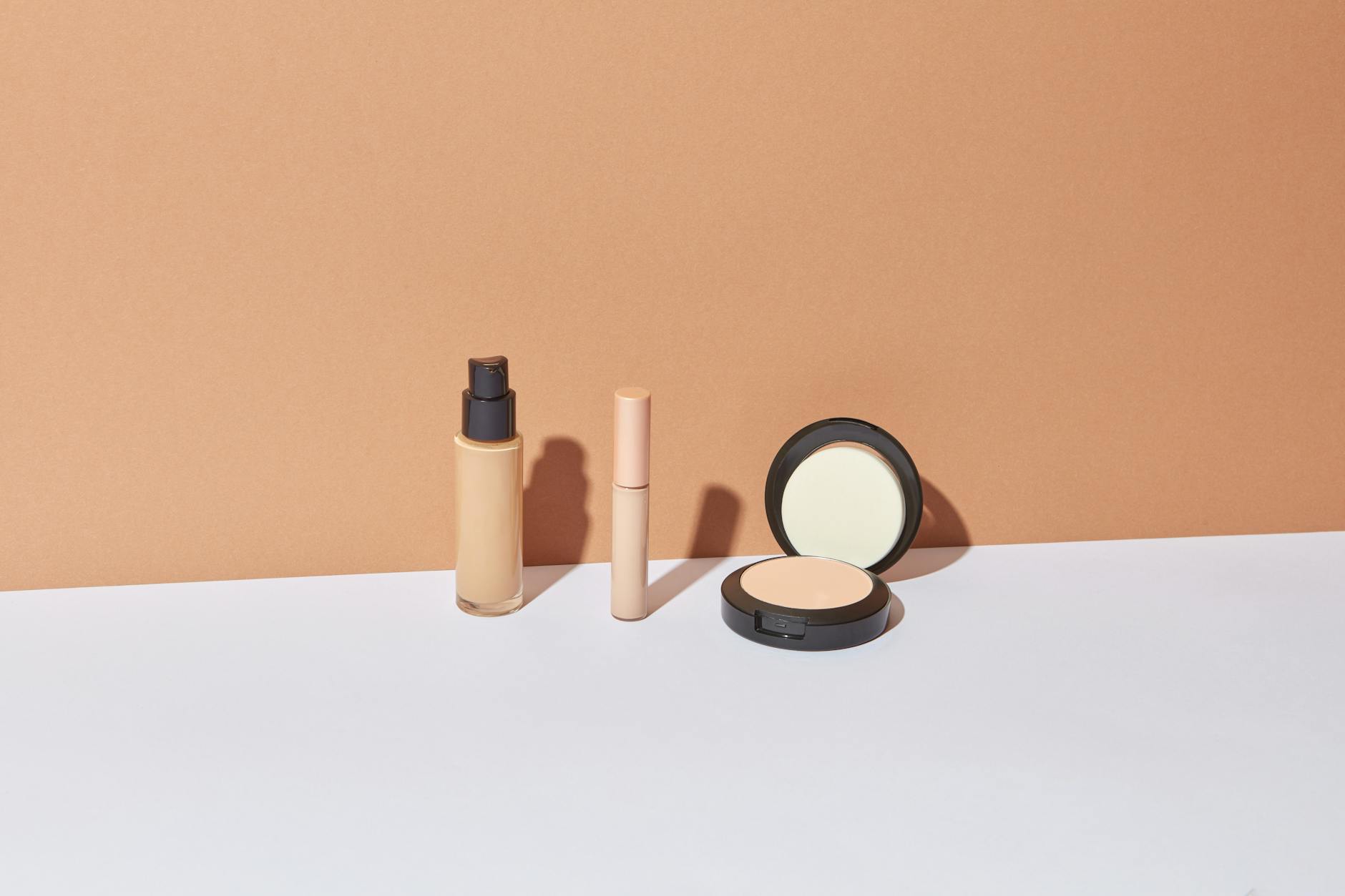
Less is often more when it comes to concealer, especially in crease-prone areas. Start with a small amount of product. For under eyes, apply a few dots or a thin swipe only where needed, typically in the inner corner and where shadows are most prominent. Avoid applying a thick layer all the way up to the lash line.
Use a damp beauty sponge or your ring finger to gently blend the concealer. The warmth from your finger can help the product meld with your skin, while a damp sponge provides a sheer, diffused finish. Lightly tap or bounce the product into the skin rather than rubbing, which can move the product around and create unevenness. Ensure the edges are seamlessly blended into your foundation or bare skin.
For smile lines or eyelids, apply a very thin layer directly into the line or over the lid, then immediately blend it out. These areas move a lot, so a minimal, flexible application is crucial. If using an eyelid primer, ensure it's fully dry before applying concealer.
Smart Application Tips
- Apply concealer to specific areas of concern, not the entire under-eye.
- Use a damp sponge or ring finger for blending.
- Tap and bounce, do not drag or rub.
- Blend immediately after application.
Setting Your Concealer: With and Without Powder
Properly setting your concealer helps extend its wear and prevent creasing, whether you choose to use powder or not. The technique varies based on skin type and desired finish, prioritizing minimal product and careful application.
For those who prefer to set with powder, selecting the right type and applying it correctly is vital. Use a finely milled, translucent setting powder. A heavy, tinted powder can look cakey and emphasize lines. Before applying powder, gently pat your under-eye area with a clean finger or sponge to smooth out any concealer that may have settled into lines. This ensures you are setting a smooth surface.
Dip a small, fluffy brush or a damp mini beauty sponge into a tiny amount of powder. Tap off any excess. Lightly press or roll the powder onto the areas where you applied concealer, focusing on the areas prone to creasing. Avoid baking if you have dry or mature skin, as this can often lead to a drier, more textured appearance. The goal is to set, not to mattify excessively.
If you prefer to go without powder, ensuring your skin is well-hydrated and your concealer is a self-setting or flexible formula is key. After blending, allow the concealer to dry down completely. Some people find that pressing a clean, damp sponge over the area after blending helps to meld the product even more seamlessly, reducing the likelihood of creasing. This method often works best for drier skin types or for a very natural finish.
For persistent irritation, allergies, or skin conditions, consult a qualified professional for personalized advice.
Concealer Setting Methods Comparison
| Method | Best For | Pros | Cons |
|---|---|---|---|
| Powder Setting | Oily skin, humid climates | Long-lasting, very secure, good oil control | Can look dry, emphasize texture if overused |
| Powder-Free Setting | Dry skin, mature skin, natural finish preference | Natural finish, less cakey, skin looks dewy | May have shorter wear time, less oil control |
People also ask
Makeup FAQ
Can my eye cream cause concealer to crease?
Yes, if your eye cream is too heavy, greasy, or not fully absorbed before concealer application, it can interfere with the concealer's adherence and lead to creasing. Opt for lightweight, fast-absorbing formulas to create a better base.
What if my concealer still creases even after following these tips?
If creasing persists, consider trying a different concealer formula that is more hydrating or flexible. Also, reassess your application amount; you might be using too much product. Sometimes, less is truly more in delicate areas.
Is baking under the eyes good for preventing creasing?
While baking can provide a very matte and long-lasting finish, it may not be suitable for everyone, especially those with dry or mature skin. It can sometimes emphasize fine lines and create a dry, cakey appearance. Use sparingly and with a very fine powder if you choose this method.