Quick answer
Controlling oily skin with makeup involves strategic product selection and application. Focus on oil-free, mattifying primers, long-wear foundations, and setting powders to absorb excess oil and minimize shine. Blotting papers and setting sprays help maintain a fresh look throughout the day, ensuring your makeup lasts longer.
Prepping Your Skin for a Shine-Free Start
Starting with the right primer is crucial for oily skin, creating a barrier that absorbs oil and helps makeup adhere better. Follow with an oil-free, long-wear foundation designed to minimize shine and provide lasting coverage.
Before applying any makeup, a mattifying primer is your first line of defense against oil. These primers often contain ingredients like silica or dimethicone that create a smooth canvas, blur pores, and absorb excess sebum throughout the day. Look for formulas specifically labeled oil-free and mattifying.
Once primed, choose an oil-free, long-wearing foundation. Liquid or powder foundations with a matte or semi-matte finish are typically best for oily skin. Apply sparingly, focusing on areas prone to shine, and blend thoroughly for a natural look. Consider a non-comedogenic formula to help prevent clogged pores.
Locking in Your Look for Lasting Wear
Setting your makeup with a finely milled powder is essential to absorb oil and reduce shine, while a good setting spray can lock everything in place for extended wear. These steps prevent makeup from migrating or breaking down throughout the day.
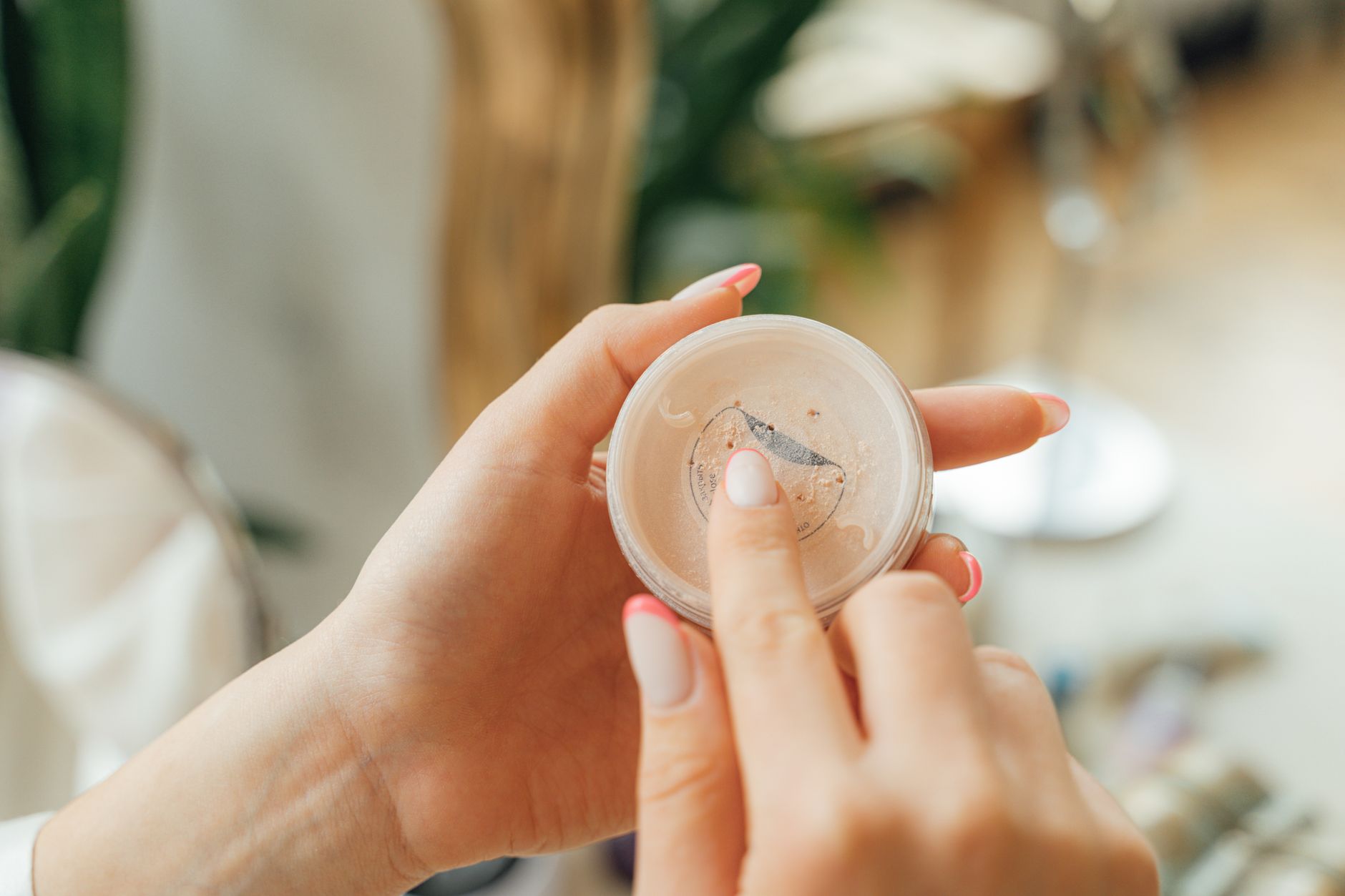
After foundation and concealer, a translucent setting powder is key. Lightly dust it over your T-zone and any other areas prone to oiliness. Pressed powders offer more coverage and convenience for touch-ups, while loose powders can provide a lighter, more airbrushed finish. The goal is to set your liquid products without adding a heavy, cakey look.
To further extend wear and meld your makeup together, finish with a mattifying setting spray. These sprays form a lightweight film over your makeup, helping it resist sweat and oil. Hold the bottle at arm's length and mist evenly over your face, allowing it to air dry.

Keeping Shine at Bay with Mid-Day Refreshers
Even with careful application, oily skin may require occasional touch-ups to maintain a fresh look. Blotting papers are ideal for absorbing excess oil without disturbing makeup, and a light dusting of powder can refresh your finish.
Carry blotting papers with you for quick, discreet touch-ups. When you notice shine, gently press a blotting paper onto the oily area, rather than wiping, to absorb excess oil without removing your makeup. This helps prevent a greasy appearance without adding more product.
If needed, a light dusting of your setting powder can refresh your look. Focus on the T-zone and use a small, fluffy brush for precise application. Avoid over-powdering, which can lead to a heavy or cakey finish. Remember, the goal is to manage shine, not eliminate all natural glow.
If persistent irritation, allergies, or skin conditions arise, it is always wise to consult with a qualified professional like a dermatologist for personalized advice and care.
Essential Makeup Products for Oily Skin Control
| Product Type | Purpose | Key Ingredients to Look For |
|---|---|---|
| Primer | Creates a smooth base, absorbs oil, extends wear | Dimethicone, silica, salicylic acid (if acne-prone) |
| Foundation | Evens skin tone, provides coverage, controls shine | Oil-free, non-comedogenic, matte or semi-matte finish |
| Setting Powder | Sets makeup, absorbs excess oil, reduces shine | Talc, silica, corn starch, kaolin clay |
| Setting Spray | Locks makeup in place, refreshes, mattifies | Polymer film formers, oil-absorbing ingredients |
| Blotting Papers | Quickly absorbs surface oil without disturbing makeup | Natural fibers, rice paper, pulp |
People also ask
Makeup FAQ
Can I skip primer if I have oily skin?
While you can, a mattifying primer significantly helps control oil and extends makeup wear, making it a valuable step for oily skin types. It creates a better base for your foundation.
What type of foundation is best for very oily skin?
For very oily skin, look for foundations labeled oil-free, mattifying, or long-wear, often with a liquid-to-powder finish. Mineral foundations can also be a good choice due to their oil-absorbing properties.
How often should I blot my face throughout the day?
Blot your face as often as needed, typically once or twice a day when shine becomes noticeable. Listen to your skin's needs, as over-blotting is generally not an issue and helps maintain a fresh look.